


What Happens to a Century-Old Crown
Chipping & Debris Haul-Away in Harmony, CA
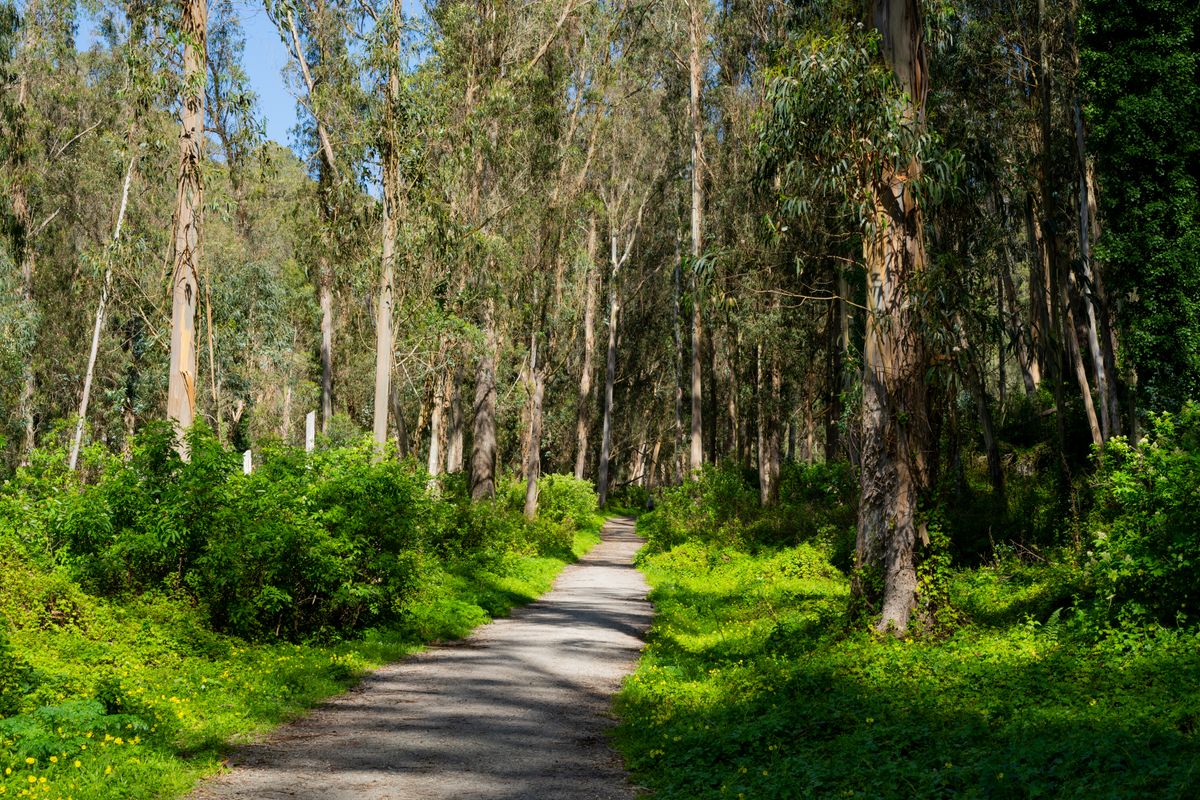
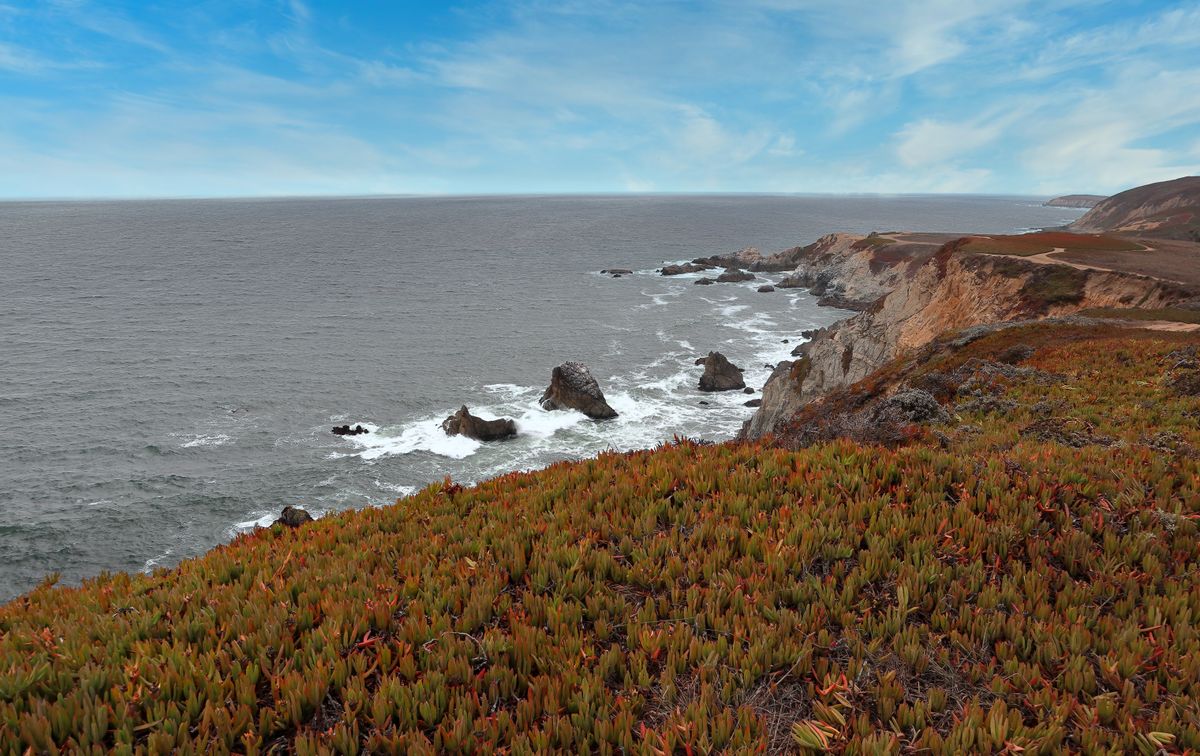
Harmony — this is the coast these pages are about.
Quick answer: Chipping & Debris Haul-Away in Harmony, CA — Mulch is the cheapest thing that happens to a tree: a flat layer over the root zone holds moisture through the dry season, keeps the soil temperature steady and feeds the soil life the tree depends on. Almost every mulch problem is a depth problem or a contact problem — too thick, or piled against the trunk where the bark has to stay dry.
- Typical depth: Two to four inches, flat, from the drip line inward — never a cone against the trunk.
- Typical timing: After planting or after a clean-up; refreshed in autumn so winter rain carries it down.
- What it involves: Keeping the root flare visible, keeping mulch off the bark, and choosing material that breaks down rather than mats.
- The standard: ISA and university extension guidance on arboricultural mulching and the root flare.
- Our own record: 503 pages and 291 stories published on this site. Counted from our own archive, not a stock table.
Field note. What we see most on this coast is not too little mulch but too much, in the wrong place: the volcano against the trunk that keeps the bark wet through the fog season and invites rot where the tree cannot show it until the canopy thins.
On the other hand, a thin ring of the wrong material is worse than none at all — matted, water-repellent mulch sheds the rain it was meant to store.
Tree debris removal in Harmony is the part of the job nobody photographs and everybody notices. A windrow taken down, a storm clean-up, a lot cleared of volunteer cypress — all of it produces a volume of brush and limb wood that has to go somewhere, and on this coast the somewhere is not a burn pile on the back of the lot. The answer is usually both: chip what the ground can use, haul what it cannot.
Chipping on site, and why it is the default
A chipper on site turns brush and limb wood into chips in the place they were cut. Nothing is loaded twice, nothing travels except the chips, and the material that came off the trees goes back onto the root zones as a mat.
On a lot that has just been cleared, that mat is doing real work: it holds bare terrace soil through the first winter, it slows the surface water that would otherwise run off the edge, and it suppresses the regrowth that would put the brush back before the next dry season.
Volume is the number people get wrong
A finished pile of brush looks small in a photograph and enormous on the truck. A single large eucalyptus crown can be several cubic yards of loose material and several thousand pounds of chips once it is processed. On a farm lot with a hundred-yard windrow, the honest answer is measured in days of chipping rather than in truckloads, and we would rather say that at the walk than at the end of the job.
Where the material is clean and the parcel has a use for it, the chips stay; where the volume is beyond what the ground can absorb, the surplus leaves.
Haul-away, and why burning is not the default
Green waste here means a truck to a permitted facility, and the cost tracks the volume, not the tree count. Burning is a seasonal, permitted activity with its own weather windows and its own rules, and it is not something to improvise on a still September afternoon inside Cal Fire's State Responsibility Area. Chipped and hauled is slower to arrange and much easier to defend when an inspector or an insurer asks what became of the fuel.
The creek, the lane and the ruts
Where debris went into a creek during a storm, clearing it is worth doing but the bank is the fragile part — dragging a crown out of a channel can take the channel edges with it. And on ground fed by artesian water, the access route is a real constraint: a truck that goes in soft leaves ruts that outlive the whole job, so we time the hauling to the firmer months or mat the route.
What is worth keeping
Not all of it is waste. Eucalyptus and cypress split and season into good firewood, and a farm lot usually has a place to stack it. Logs worth milling, if any, are worth deciding on before the chipper arrives rather than after.
If you have piles, windrows or a cleared lot waiting for the material to leave, call (805) 927-4414 or use the contact page. Our services page covers the rest of the work we do on this coast.
Field note — Ethan Reed prices debris by the yard on the ground, not by how big the pile looks from the road.
Questions, quotes, or just exploring — we’re here to help.