


Taking a Pasture Back From the Cypress
Land & Lot Clearing in Harmony, CA
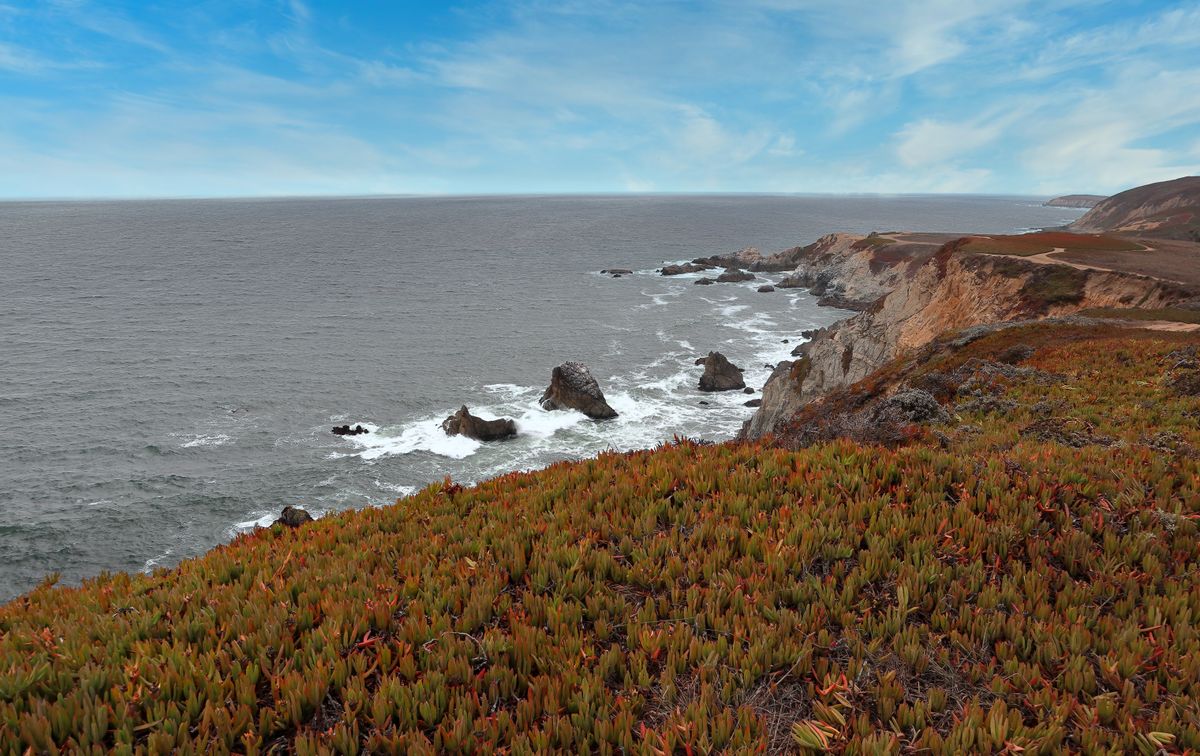
Harmony — this is the coast these pages are about.
Quick answer: Land & Lot Clearing in Harmony, CA — The tree that thrives here is the one chosen for this coast: fog, salt, wind and shallow soil are the local constraints, and mature size is the constraint most often ignored. Planting is a matter of putting the right species in a site that can hold it, then keeping the root flare visible and the first summers watered.
- Typical timing: Autumn planting, so winter rain does the establishment work; the first two summers decide the tree.
- What it involves: Matching mature canopy and root spread to the space, planting at the depth the tree grew in, and staking only when it is needed.
- The standard: Cal Poly’s SelecTree species data and university extension planting guidance.
- Where we work: Gardens and acreage from Cambria through Cayucos and Morro Bay.
- Our own record: 503 pages and 291 stories published on this site. Counted from our own archive, not a stock table.
Field note. What we see is that the coast is forgiving to the right species and unforgiving to the wrong one: the same tree that looks comfortable four streets in will burn on the windward side of a Cambria lot.
On the other hand, natives are not automatically the answer at every address — a species that belongs in the watershed can still be the wrong size for the garden it is standing in.
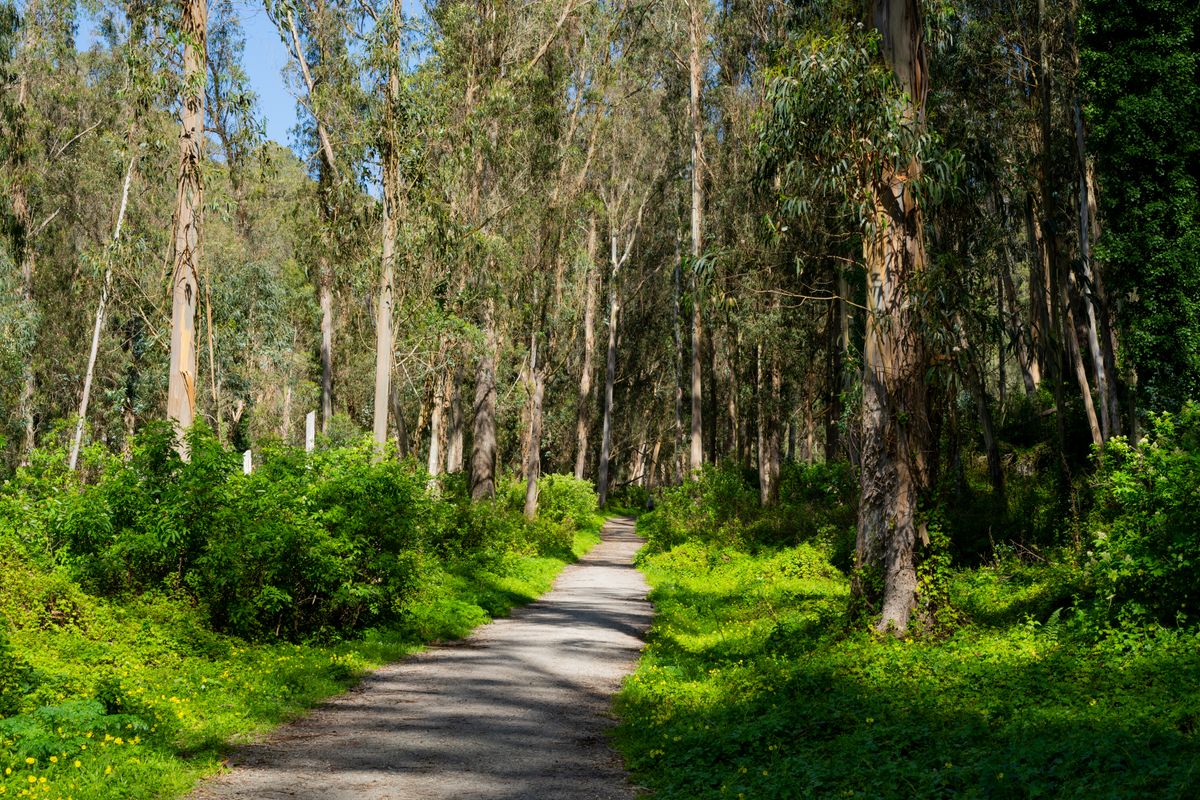
Land clearing in Harmony almost always means one of two things: reopening ground that a dairy-era planting has swallowed, or taking a pasture back from a thicket of volunteer cypress and eucalyptus that came up after the cows left. Both are wholesale jobs, and on this coast the wholesale version done carelessly is a mistake you can see from the highway for thirty years. So the first piece of work is a map of what stays.
Marking what stays before anything is cut
A retention plan is not a formality here. The windbreak rows shelter buildings and stock; the big cypress along the lane shade a gate; the trees along the creek edge hold a bank that will move if they go. We walk the parcel with the owner, flag the trees that are doing structural, wind or erosion work, and mark them before the crew starts. What comes out is then a list rather than an argument on the day.
What this ground is like under the grass
The terraces are marine deposits over artesian water, which means the ground can be firm in September and bottomless in February. Clearing a lot in the wet season is how a parcel acquires ruts and compaction that outlive the reason for the work, and how a tracked machine ends up buried to the axles in a corner that looked dry.
We time the machine work to the dry half of the year wherever the schedule allows, and where it does not, we work in mats and plan the repair.
The permits and the protected trees
Harmony is unincorporated San Luis Obispo County inside Cal Fire's SRA. Land clearing for a building pad or a pasture usually needs county sign-off, and anything near a creek touches the setback rules. Native oaks have their own protections and their own required setbacks from the trunk, and heritage trees are a separate conversation again.
A permit application generally wants an arborist report that inventories what is on the parcel, so that document is worth doing early rather than after the crew has been booked.
Fire is the other reason to clear
Ladder fuel and thick volunteer growth inside the SRA are the defensible-space items that most often get a parcel noticed, and clearing for fuel reduction is a real and legitimate purpose — not just clearing to build. That version of the job keeps more trees than a building pad does, spaces the shrubs instead of stripping them, and finishes by getting the slash off the ground rather than piling it at the boundary.
Slash, stakes and the follow-up
Green material is chipped on site and the chips spread as a mat over ground that has just been bared, because bare terrace soil in a wet January moves. Where a parcel is going to be replanted, the clearing is planned around the planting plan so the two are not fighting each other.
If you have a pasture or a lot that has grown in, call (805) 927-4414 or use the contact page to arrange a walk. Our services page has the wider picture of what we do here.
Field note — Samuel Delacroix flags the keepers before the first cut. On this coast the trees that hold the ground are the ones nobody notices until after they are gone.
Questions, quotes, or just exploring — we’re here to help.