


After the Gale Off the Water
Storm Damage Cleanup in Harmony, CA
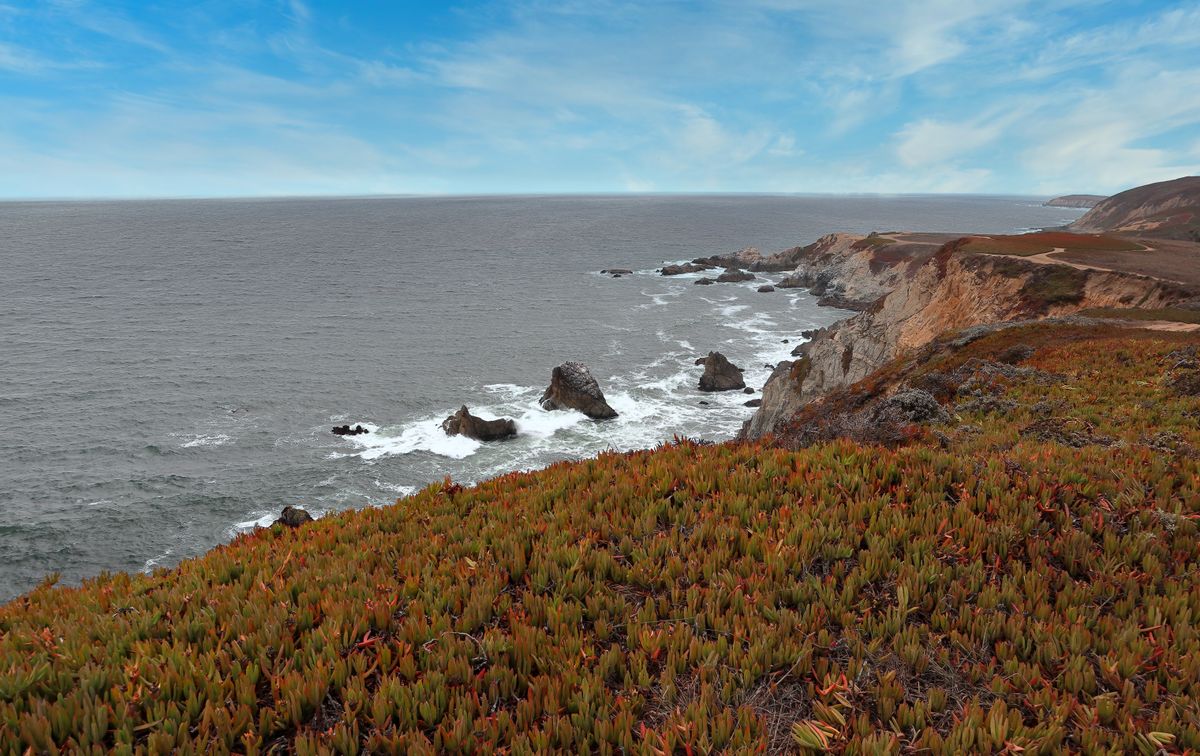
Harmony — this is the coast these pages are about.
Quick answer: Storm Damage Cleanup in Harmony, CA — Trees are watered at the root zone, deeply and infrequently — a long soak that reaches down, then a dry spell that lets roots look for water, rather than a daily sprinkle that keeps everything in the top inch of soil. On the fog belt the question is rarely whether there is moisture in the air but how much got down to the roots.
- Typical timing: Deep watering through the dry season, spaced further apart as the tree establishes; young trees need it far more often than mature ones.
- What it involves: Watering at the drip line rather than the trunk, checking the soil six to eight inches down, and mulching so the water stays where it landed.
- The standard: University extension guidance on landscape tree irrigation and drought response.
- Where we work: The coastal terrace from Cambria to Morro Bay, sandy soil and clay both.
- Our own record: 503 pages and 291 stories published on this site. Counted from our own archive, not a stock table.
Field note. What we see here is that salt air and wind dry a canopy faster than the thermometer suggests, so a tree can be water-stressed on a grey week when nothing looks hot to the person holding the hose.
On the other hand, more water is not a cure-all: on clay, a daily soak drowns roots more often than drought does, and the symptoms look almost identical from above.
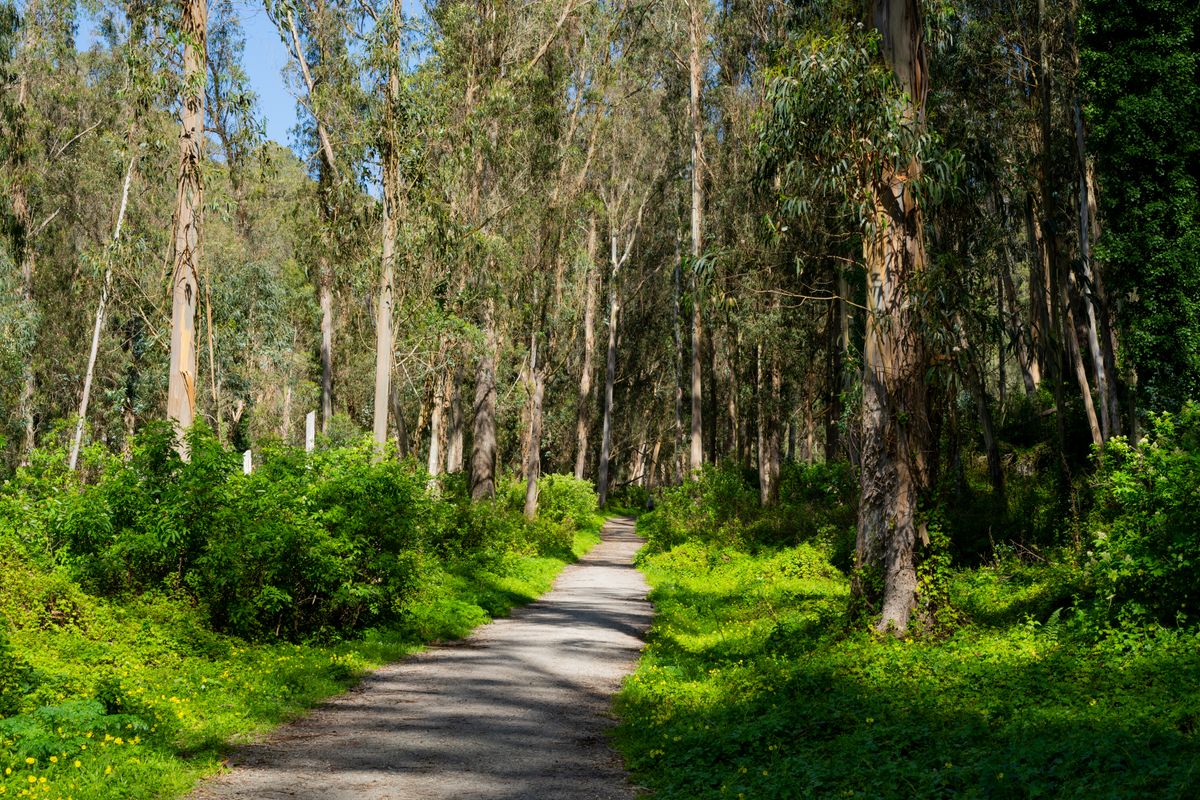
Storm damage tree cleanup in Harmony is a different shape of job from the emergency call that precedes it. Once the wires are clear and nobody is hurt, what is left on an old farm lot is a tangle of downed eucalyptus, split cypress, a fence pinned under a limb, and a creek crossing blocked by a crown.
The work is triage and documentation as much as cutting, and the order matters: make the site safe, record what happened, then clear it.
Making it safe comes before clearing
A blown-down eucalyptus is often still attached at the butt, and a tree held down by its own root plate and tension is spring-loaded — cut the wrong piece and the rest stands back up through whoever is standing there.
Cypress and eucalyptus also shatter when they land, throwing pieces well beyond the failure point, so the first pass is a slow walk of the area with a pole to find what is hanging and what is loaded. Only then does anything get cut.
Documenting it while the evidence is fresh
Carriers pay for what is documented, and the documentation is easiest the day of the storm. Photograph the standing tree in the context of the fence, the building or the lane it hit, photograph the failure point — the fork that split, the root plate that lifted, the hollow that was already there — and write down the date and the wind.
Whether the failure was a wind event or a tree that should have been managed is a genuine question, and the answer is much harder to establish a month later.
Artesian ground and the winter window
Most of the storms that do this arrive when the terrace ground is already saturated, and on a lot fed by artesian water the creek crossings and low corners are soft for weeks. Debris that fell across a creek should be cleared, but with an eye to the bank: dragging a crown out of a channel can take the channel edges with it, and that is an erosion repair in the next storm.
Where the ground will not carry equipment we work with winches and mats, or stage the clean-up in the drier window and leave the load-bearing cuts for then.
The fire rules apply to the debris too
Harmony is inside Cal Fire's State Responsibility Area, and a storm that drops a season's worth of fuel onto the ground leaves the parcel in worse defensible-space shape than before it blew. Cut material left in a pile is fuel that has moved, not fuel that has gone.
Chipping on site and spreading the chips over the bare ground is the usual answer, with the rest hauled — green-waste and burn restrictions on this coast make the pile the wrong default.
Finishing the job
Fences get re-strung, gates are left working, the lane is reopened and the surface is put back. Where a tree that fell was doing erosion or windbreak work, say so at the start and the replacement is part of the same visit.
If a storm has taken trees across a lane, a fence or a creek on your land, call (805) 927-4414 or use the contact page, and see our services for the wider picture.
Field note — Ethan Reed documents before he cuts. A photograph of the failed fork on the day of the storm is the single most useful thing an owner keeps for a claim.
Questions, quotes, or just exploring — we’re here to help.