


A Record a Board Can Stand Behind
HOA & Apartment Tree Programs
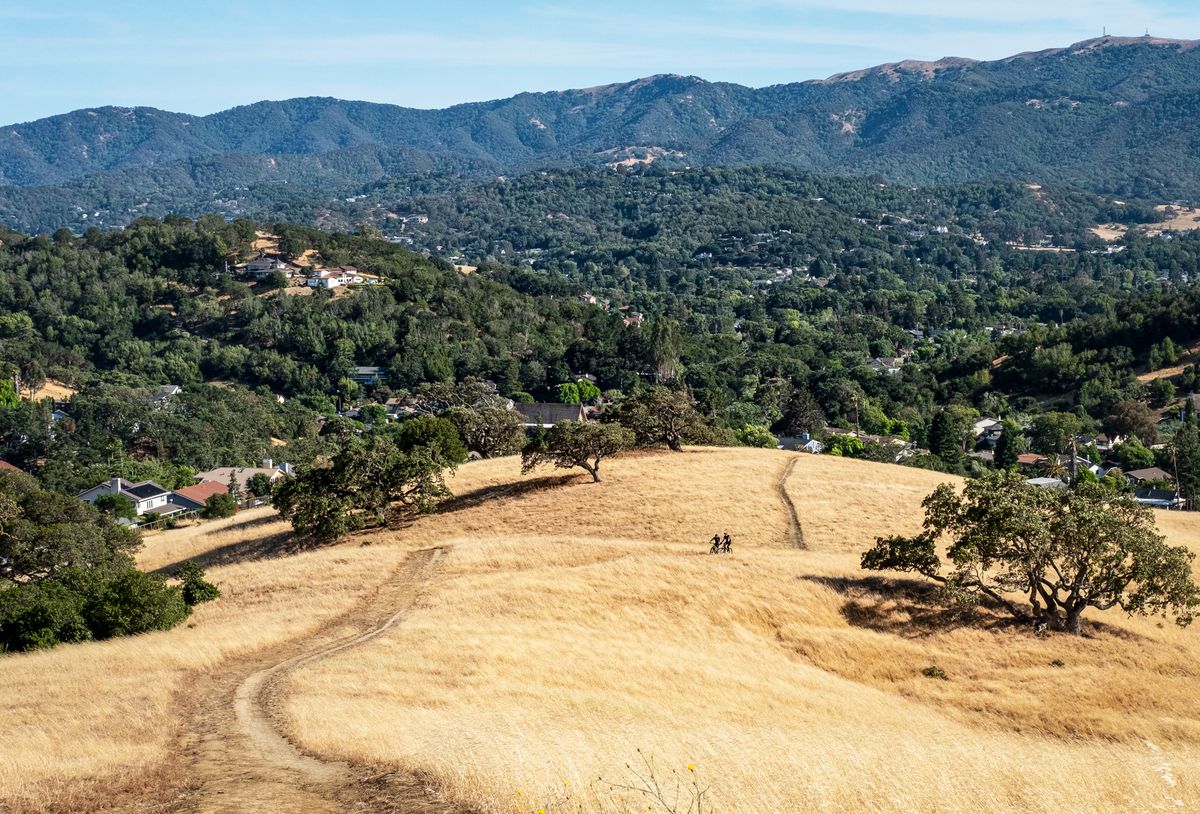
San Luis Obispo — this is the coast these pages are about.
Quick answer: HOA & Apartment Tree Programs — Trees on this coast live with fog, salt, wind and thin soil, and the work that keeps them healthy is decided by those conditions rather than by a calendar written inland. Structure, clearance and the root zone are what a tree here needs looked at, and small work done early is what keeps a tree out of the emergency list.
- What it involves: Structural pruning, clearance from structures and wires, deadwood removal, root-zone care and hazard assessment.
- Typical timing: Structural work in the dormant months; deadwood, clearance and hazard work whenever the tree needs it.
- The standard: The ISA standards for pruning and tree risk assessment, applied by ISA-certified arborists.
- Where we work: Cambria, San Simeon, Harmony, Cayucos, Morro Bay, Los Osos and the Cambria pine belt.
- Our own record: 503 pages and 291 stories published on this site. Counted from our own archive, not a stock table.
Field note. What we see on this coast is that the trees people worry about are usually not the ones in trouble: the pine with a clean crown and a lean that predates the house is often sounder than the tidy tree that has been quietly drowning in its own root zone.
On the other hand, there is no schedule that suits every tree — the same species on two sides of one street can need opposite care, which is why we look before we recommend.
Tree care across a San Luis Obispo apartment community or association is a different discipline from caring for one garden, and the difference is the record.
A board that can show a dated inspection, a risk rating and a completed work order is protected in a way a board that acted on a phone call is not — and on a property with mature oaks over parking areas and a hillside edge behind the last building, that is the exposure that matters. Boards here are also frequently spending other people's money against a reserve study, which is why the plan has to look several years ahead.
Start with an inventory, not a work list
Before any maintenance schedule can mean anything, someone has to know what is on the property: species, size, condition, risk rating, and the work each tree needs with a priority attached. That inventory is what turns a set of complaints into a programme, and it is what makes the annual budget a defensible document rather than a guess.
Common area versus owner responsibility
On a condominium property this is the first question and it is usually answered in the CC&Rs rather than by the trees. Trees in limited common areas, along the parking, over the walkways and on the perimeter are typically association responsibility; a tree inside a fenced patio may well be an owner's. Writing that boundary down once prevents the same argument at every board meeting, and prevents the association from quietly inheriting liability for something it never maintained.
The work around residents
Every job on a shared property is a scheduling problem before it is a tree problem, and parking is the constraint on most sites in this city. We plan the sequence, publish the notices, close the stalls we actually need for the hours we need them, and keep access clear for residents who cannot move their cars. Chipping on site where there is room, hauling where there is not, and cleaning the lot the same day.
Liability and the paper trail
Walk the property on a cycle, record what you find, act on the high-risk items, and file the record. That is what a risk manager wants to see after an event, and it is also what keeps the insurer comfortable. Emergency protocol belongs in the same document: who calls, who authorises after hours, and which trees are flagged as the priority if a storm arrives.
Board reporting and budgeting
One page, plain language: what was found, what was done, what is coming and what it costs. That is a report a board can circulate and a reserve study can absorb, and it is far more use than a technical document nobody reads.
For managers and boards
Send the property address, the number of units and any existing plan. Call (805) 927-4414 or use the contact page and we will scope an inventory and a maintenance cycle.
Questions, quotes, or just exploring — we’re here to help.