

Air First, Then Anything Else
Root-Zone Aeration & Fertilization
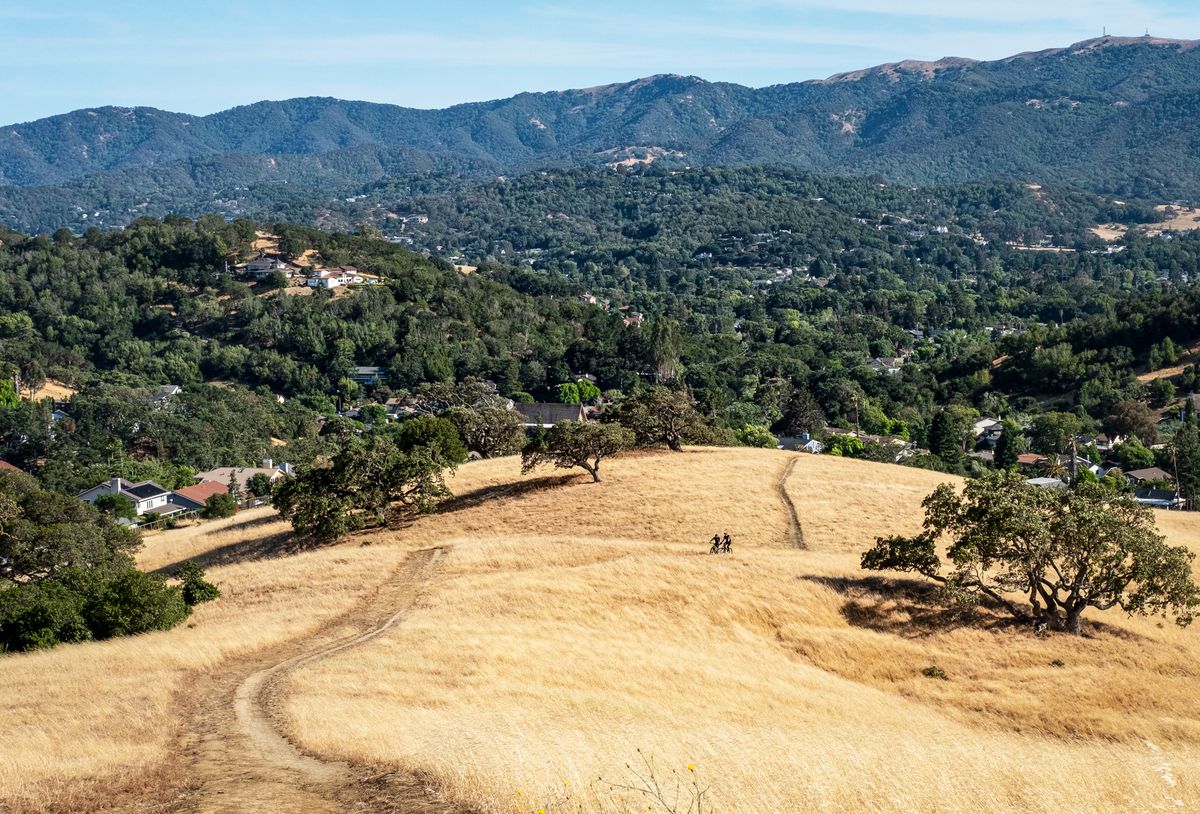
San Luis Obispo — this is the coast these pages are about.
Quick answer: Root-Zone Aeration & Fertilization — A stump is the part of the problem that is still in the ground: it holds the roots that lift pavement, keeps a species alive if it re-sprouts, and occupies the spot where the next planting goes. Grinding removes it below the surface so the ground can be worked again, and the roots that matter are the ones under the driveway rather than the ones beside the trunk.
- Typical timing: Any month the ground is workable; rain-softened soil grinds fastest and leaves the cleanest spoil.
- What it involves: Assessing re-sprout risk by species, grinding below grade, raking the spoil back, and handling surface roots separately from the stump.
- The standard: ISA guidance on root cutting and the ANSI A300 pruning standard where roots and crown are worked together.
- Where we work: Cambria, San Simeon, Harmony, Cayucos, Morro Bay, Los Osos and the Cambria pine belt.
- Our own record: 503 pages and 291 stories published on this site. Counted from our own archive, not a stock table.
Field note. On this coast the stump is rarely the end of the job: Monterey pine and eucalyptus both keep enough energy in the roots to push new growth, so we are looking at the species before we quote the grind rather than after.
On the other hand, a stump left in a garden bed is sometimes the better answer — it decays, feeds the soil and costs nothing — so grinding is a choice, not a rule.
Feeding a tree in San Luis Obispo is a chemistry question people usually answer with a bag. The clay here is not short of nutrients in the way a sandy coastal soil is; it is short of the air and biology that let a root take them up, and it sits on the alkaline side once it has been irrigated for decades with local water.
Pouring on nitrogen changes the leaf colour and does nothing about the cause, which is why we would rather aerate first and test before we ever spread anything.
Is a soil test worth it?
Sometimes. On a tree that is obviously declining, a test answers questions a conversation cannot: pH, salinity, and whether the problem is an actual deficiency or a root system that cannot access what is already there. On a healthy tree in reasonable ground it mostly confirms what you already know. The test is cheap next to the treatment, and it is the only way to justify adding anything beyond organic matter.
Aeration before nutrition
Air spading opens the profile to depth without cutting roots, and the effect is immediate in the way that matters: water moves in, oxygen reaches the fine roots, and the soil biology has somewhere to work.
On the compacted ground common to older gardens here — under lawns that have been driven on for years, beside driveways, along the edge of an old orchard — aeration is the intervention that actually changes conditions. Nutrition applied to ground like that mostly runs off.
What to use, and what not to
When something is added, it should be slow and organic — compost worked into the soil, a modest slow-release product where a test shows a real need. Quick nitrogen on a mature native oak or a drought-stressed tree pushes soft growth into wind and heat, which is how you trade a leaf colour for broken limbs.
Mycorrhizal products are heavily marketed and the honest position is that they help in some disturbed soils and do little in others; they are never a substitute for fixing compaction and water.
The oak rule
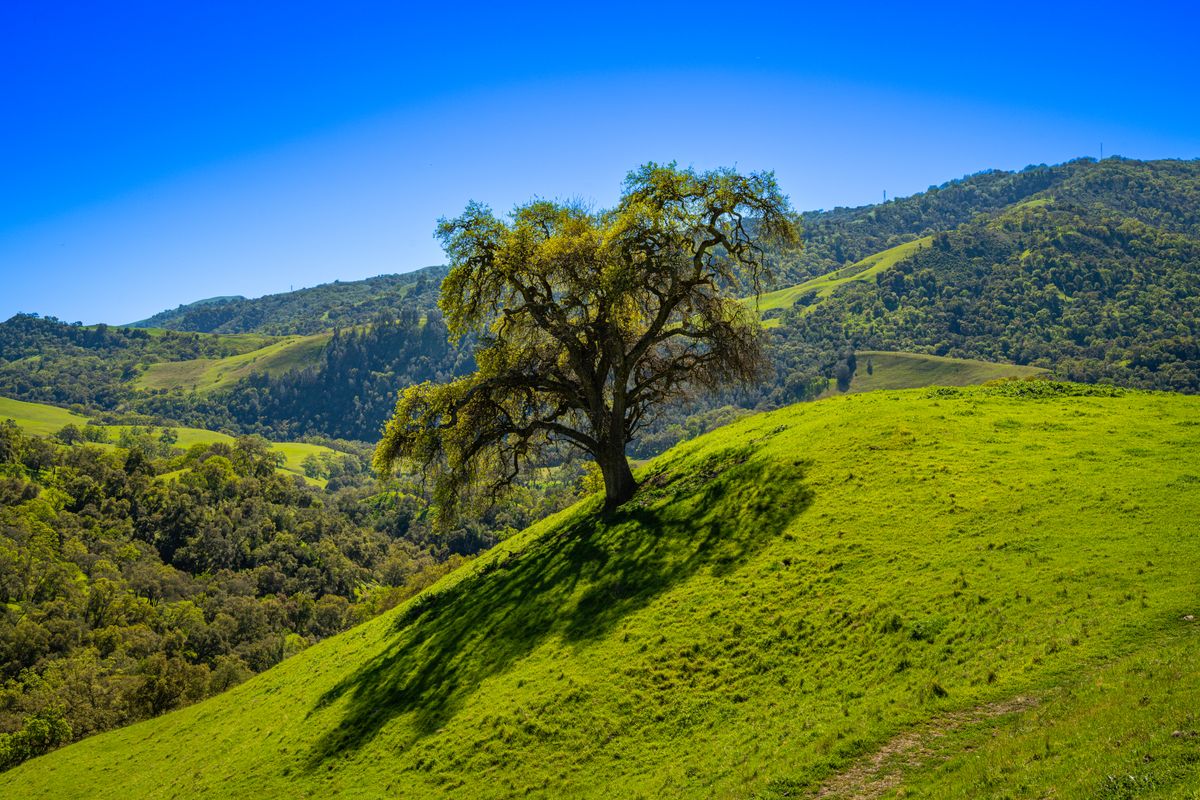
Coast live oak in this valley is adapted to low fertility and no summer water. Fertilising one is not a kindness. Where an oak looks thin, the question is root-zone condition, and the answer is usually decompaction and mulch rather than feeding.
Timing it with the season
Work in the cool end of the year if you can, so the tree is spending the mild months building roots rather than pushing growth into a July heat wave. Aeration and amendment in autumn give the soil a full wet season to settle before the tree has to use it.
Have the ground read before it is fed
Send a photograph of the tree and describe what the lawn, the driveway and the irrigation have been doing. Call (805) 927-4414 or use the contact page and we will tell you whether this is a feeding job or a soil job.
Questions, quotes, or just exploring — we’re here to help.