

Which Wire Belongs to Whom
Power Drop & Line Clearance
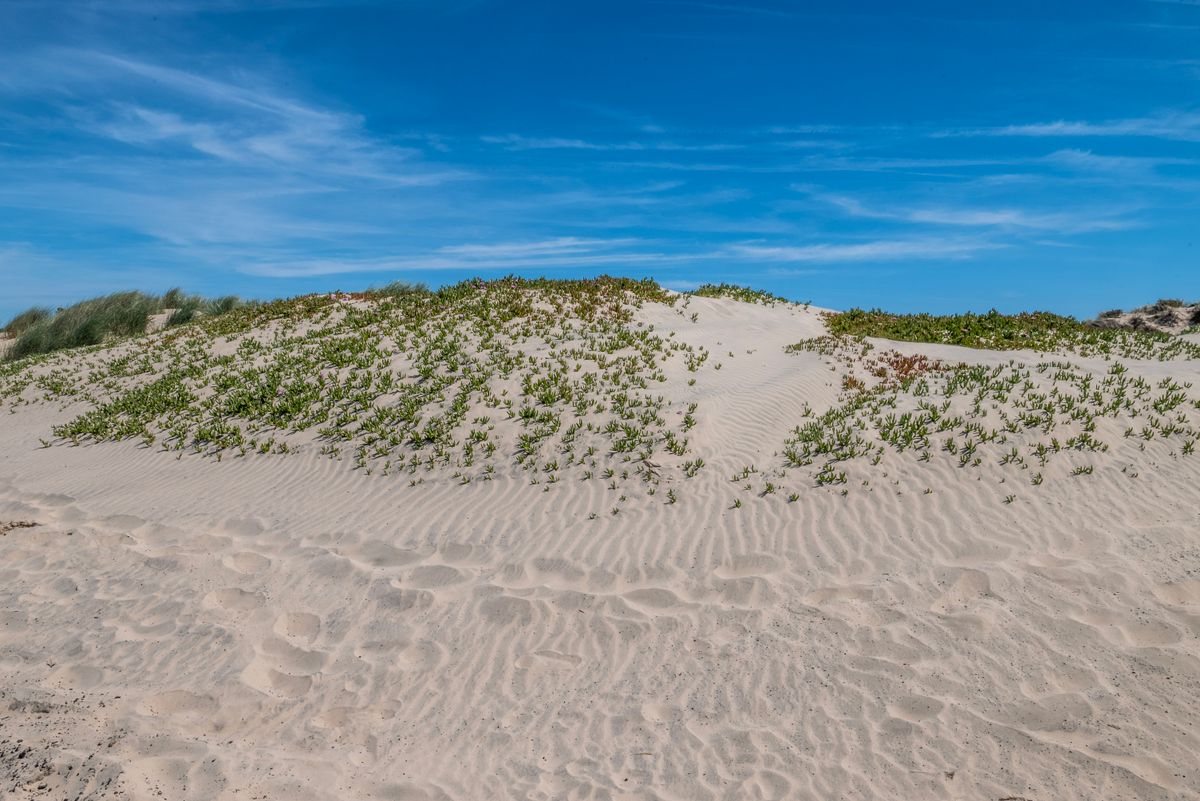
Los Osos — this is the coast these pages are about.
Quick answer: Power Drop & Line Clearance — Defensible space is the work that decides what a fire has to burn between the wildland and the house: dead material out, ladder fuels separated, and the tree you keep limbed up rather than removed. It is measured in zones from the structure, and the first few feet are the ones that matter most.
- Typical timing: Best done in the cool months so the debris is gone before the dry season; clearance rules apply year-round.
- What it involves: Removing dead and dying material, separating shrubs from low limbs, limbing trees near structures, and keeping the roof and gutters clear.
- The standard: Cal Fire's defensible-space guidance for the first 100 feet, applied to the trees a property actually has.
- Where we work: The wooded parts of Cambria, San Simeon, Harmony and the surrounding ranch country.
- Our own record: 503 pages and 291 stories published on this site. Counted from our own archive, not a stock table.
Field note. What we see on this coast that surprises people is how much of the fuel load is low: the limb at four feet and the brush beneath it carries fire into a canopy that would otherwise survive, so the work is often lifting rather than felling.
On the other hand, over-clearing has its own cost — bare ground erodes, and the wind that comes with the fog belt is harder on a thinned stand than the fire risk it removes.
Two Wires, Two Different Owners
Power line clearance los osos properties need splits into two jobs that look identical from the ground and are legally very different. The service drop is the line running from the pole to your house: it is the customer's side, and keeping trees off it is the property owner's responsibility.
The distribution line along the street belongs to the utility, and the work near it is the utility's to perform. Knowing which wire you are looking at decides who pays and who is allowed to touch it.
What We Can and Cannot Do Near a Conductor
No tree contractor may work within the minimum approach distance of an energised conductor, and the utilities enforce that with their own rules. The practical division of labour:
- Below and away from the line is ours — the limb that is close to the drop but not within the approach distance, the brush growing up into the span, the tree whose crown is reaching toward the line from a distance.
- Within the approach distance is the utility's, and the correct move is to call them. On this coast they do line-clearance work on a cycle and will respond to a specific report; there is normally no charge for work the utility performs on its own line.
- De-energising is the only thing that makes some jobs ours, and it happens on the utility's schedule, not ours. Anyone who tells you a limb brushing a live conductor can simply be taken off on a Saturday is telling you something dangerous.
Why Los Osos Lots Bring This Up So Often
This town grew up with overhead lines along narrow unimproved streets and alongside houses that were built long before anyone thought about where a mature cypress would reach. A pine or a cypress planted close to the shoulder is a line problem by the time it is forty feet tall, and on the bay side the salt wind pushes crowns sideways into spans they never grew toward.
The complaints that arrive — a limb resting on the drop, a branch over the driveway where the wire crosses it, a line buried in a canopy — usually need the utility first and a tree crew second.
What Our Part Looks Like
We take the limbs and the trees on the safe side of the boundary, remove the brush encroachment under the span, and keep the slope cut back where the line runs above a bank. Where a tree has to come down and the line cannot be de-energised, the job waits, and we will say so plainly rather than promise a date we cannot hold. The same clearance work around a roadway or an easement is roadway and right-of-way clearance.
Report It and Book the Rest
If a limb is touching or very close to a line, call the utility first. For everything else, call (805) 927-4414 or use the contact page, and start at our services for the wider picture on this coast.
Questions, quotes, or just exploring — we’re here to help.