


What Sand Is Missing
Compost & Soil Amendment
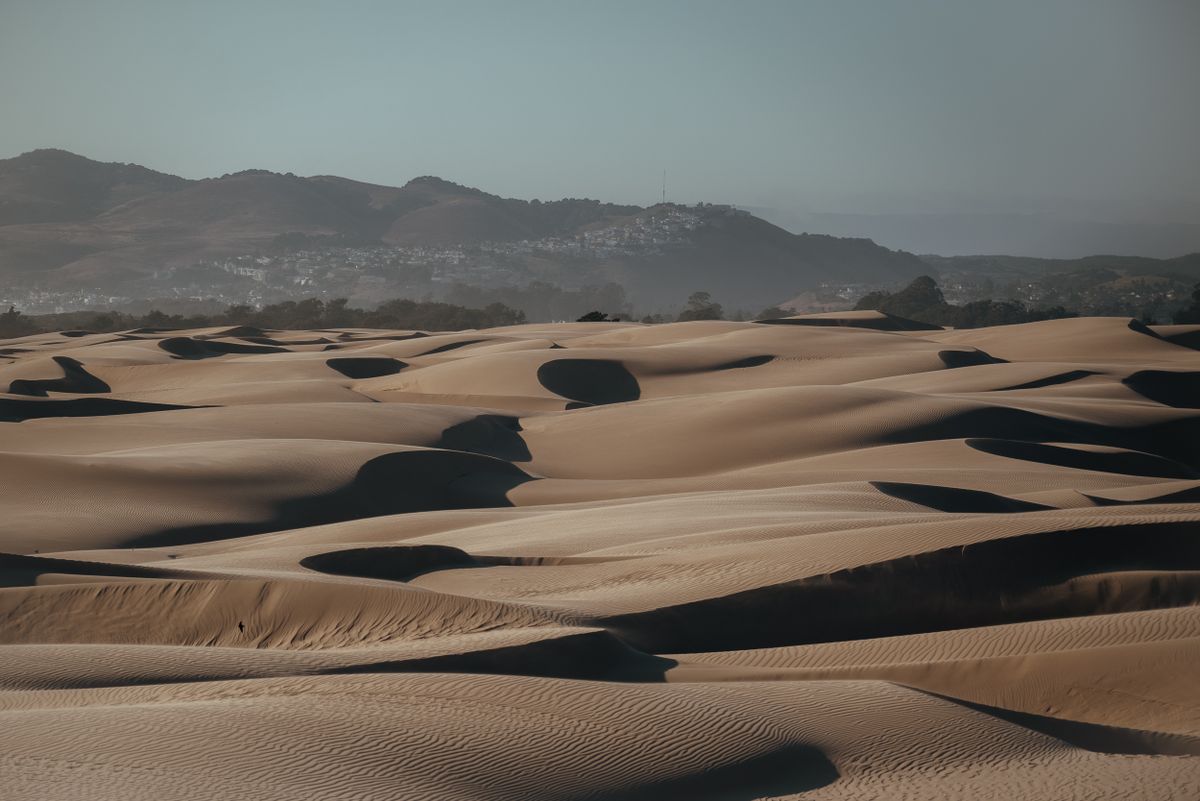
Los Osos — this is the coast these pages are about.
Quick answer: Compost & Soil Amendment — Mulch is the cheapest thing that happens to a tree: a flat layer over the root zone holds moisture through the dry season, keeps the soil temperature steady and feeds the soil life the tree depends on. Almost every mulch problem is a depth problem or a contact problem — too thick, or piled against the trunk where the bark has to stay dry.
- Typical depth: Two to four inches, flat, from the drip line inward — never a cone against the trunk.
- Typical timing: After planting or after a clean-up; refreshed in autumn so winter rain carries it down.
- What it involves: Keeping the root flare visible, keeping mulch off the bark, and choosing material that breaks down rather than mats.
- The standard: ISA and university extension guidance on arboricultural mulching and the root flare.
- Our own record: 503 pages and 291 stories published on this site. Counted from our own archive, not a stock table.
Field note. What we see most on this coast is not too little mulch but too much, in the wrong place: the volcano against the trunk that keeps the bark wet through the fog season and invites rot where the tree cannot show it until the canopy thins.
On the other hand, a thin ring of the wrong material is worse than none at all — matted, water-repellent mulch sheds the rain it was meant to store.
Sand Needs Organic Matter More Than It Needs Anything Else
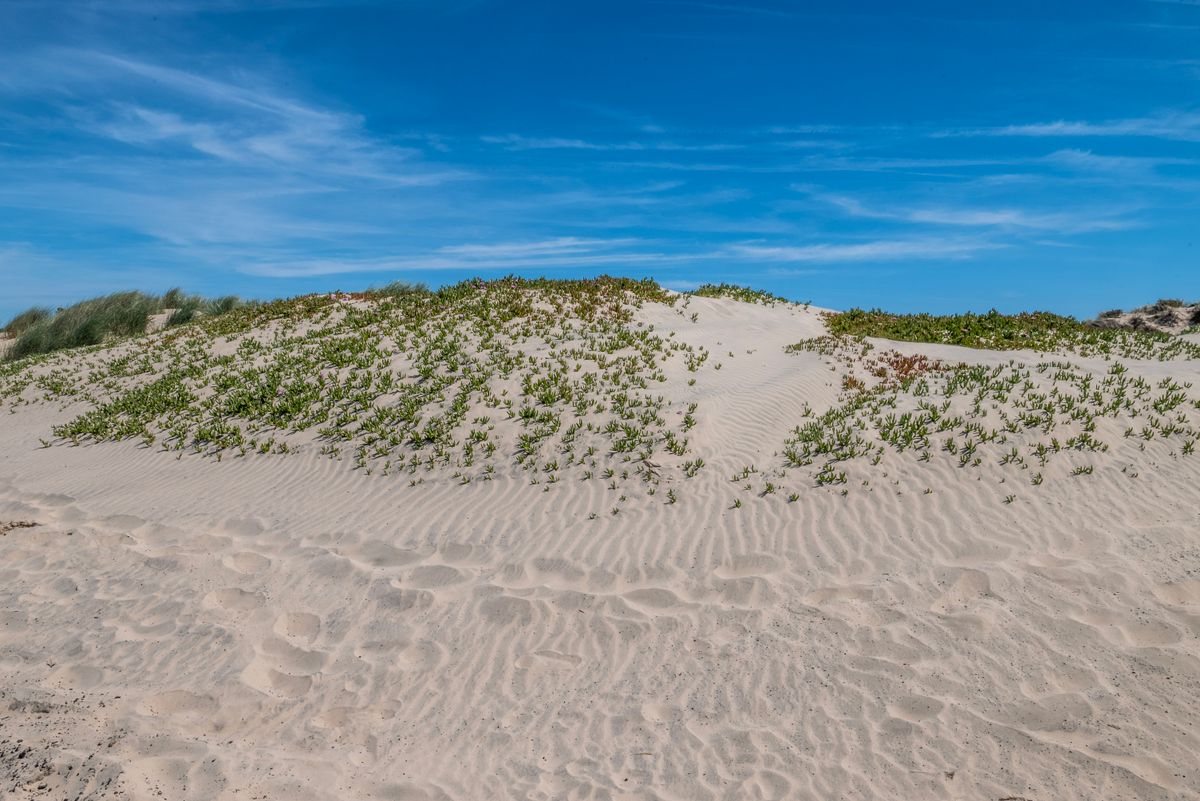
Soil amendment los osos gardens and tree beds respond to is almost always the same thing, because the ground here is old dune sand: coarse, free-draining, low in nutrients and short on the organic matter that holds both water and fertility.
Sand is not a bad soil to grow in — it is a soil that has nothing in it yet, and what it needs is material that breaks down into structure rather than a bag of fertiliser that leaches past the roots in a fortnight.
What Good Compost Actually Does
Compost is not primarily a nutrient product, and buying it for its NPK numbers misses the point. Its real work is physical and biological:
- Aggregation. Decomposed organic matter binds sand grains into crumbs that hold water and air at the same time, which is precisely what a dune profile lacks.
- Water-holding. Every percent of organic matter in a sandy soil measurably increases how much water it keeps available to roots between waterings.
- Biology. Compost brings the fungi, bacteria and invertebrates that cycle nutrients, and it feeds the ones already there. On sand, biology is the missing layer.
- Slow nutrition. Nutrients arrive as they are mineralised rather than all at once, which suits trees far better than a soluble feed.
Where the Material Comes From, and Why It Matters
Municipal green-waste compost is inexpensive, well screened and made in volume. Arborist compost and clean chip material are coarser and often higher in woody fibre, which makes them excellent for surface mulching and slower to break down in a planting bed. Both can be good; what matters more than the label is that the material is fully composted, screened, and free of the contaminants that cheap products occasionally carry. Ask, and you will get a straight answer about the source.
How Much, and How Deep
For an established tree the amendment goes on the surface, not dug in: two to four inches of compost or composted chips over the root zone, kept clear of the trunk, letting the worms and the water move it down. Trying to till compost into the root zone of a mature tree does more damage than the amendment does good.
For a new planting bed or a bare sandy area, a few inches worked into the top foot is enough — more is not better, and a bed that is half compost behaves like a sponge that collapses as it decomposes.
The Amended Planting Hole
The old advice to fill a planting hole with rich compost creates a pot in the ground: the roots circle inside the soft material rather than growing out into the native soil, and the tree stays dependent on care. Current practice on sandy ground is to use the soil that came out, amended modestly, and to plant wide and shallow. That sequence is set out in tree planting and installation.
What Amendment Will Not Fix
Compaction is a physical problem and compost alone will not open it; that work is soil and root-zone remediation. A water table that sits high through the winter, a salt-laden wind, or a root injury from years ago are all beyond a bag of material. Where the problem is drainage, it is drainage and grading.
Ask About Your Soil
Tell us what is growing there now and what you want to grow, and how the ground takes water in the winter. Call (805) 927-4414 or use the contact page to arrange a visit; our services covers the rest of the coast work.
Questions, quotes, or just exploring — we’re here to help.