

When the Ground Itself Is the Problem
Slope & Bluff Stabilization
Los Osos — this is the coast these pages are about.
Quick answer: Slope & Bluff Stabilization — Trees on this coast live with fog, salt, wind and thin soil, and the work that keeps them healthy is decided by those conditions rather than by a calendar written inland. Structure, clearance and the root zone are what a tree here needs looked at, and small work done early is what keeps a tree out of the emergency list.
- What it involves: Structural pruning, clearance from structures and wires, deadwood removal, root-zone care and hazard assessment.
- Typical timing: Structural work in the dormant months; deadwood, clearance and hazard work whenever the tree needs it.
- The standard: The ISA standards for pruning and tree risk assessment, applied by ISA-certified arborists.
- Where we work: Cambria, San Simeon, Harmony, Cayucos, Morro Bay, Los Osos and the Cambria pine belt.
- Our own record: 503 pages and 291 stories published on this site. Counted from our own archive, not a stock table.
Field note. What we see on this coast is that the trees people worry about are usually not the ones in trouble: the pine with a clean crown and a lean that predates the house is often sounder than the tidy tree that has been quietly drowning in its own root zone.
On the other hand, there is no schedule that suits every tree — the same species on two sides of one street can need opposite care, which is why we look before we recommend.
Where the Land Meets the Water Moves
Slope stabilization los osos questions arrive from two very different places: the steep hillside lots behind Baywood Park, where a wet winter sends soil down onto a driveway, and the marine-terrace edges toward Montaña de Oro, where the ground simply falls away and takes whatever is on top of it.
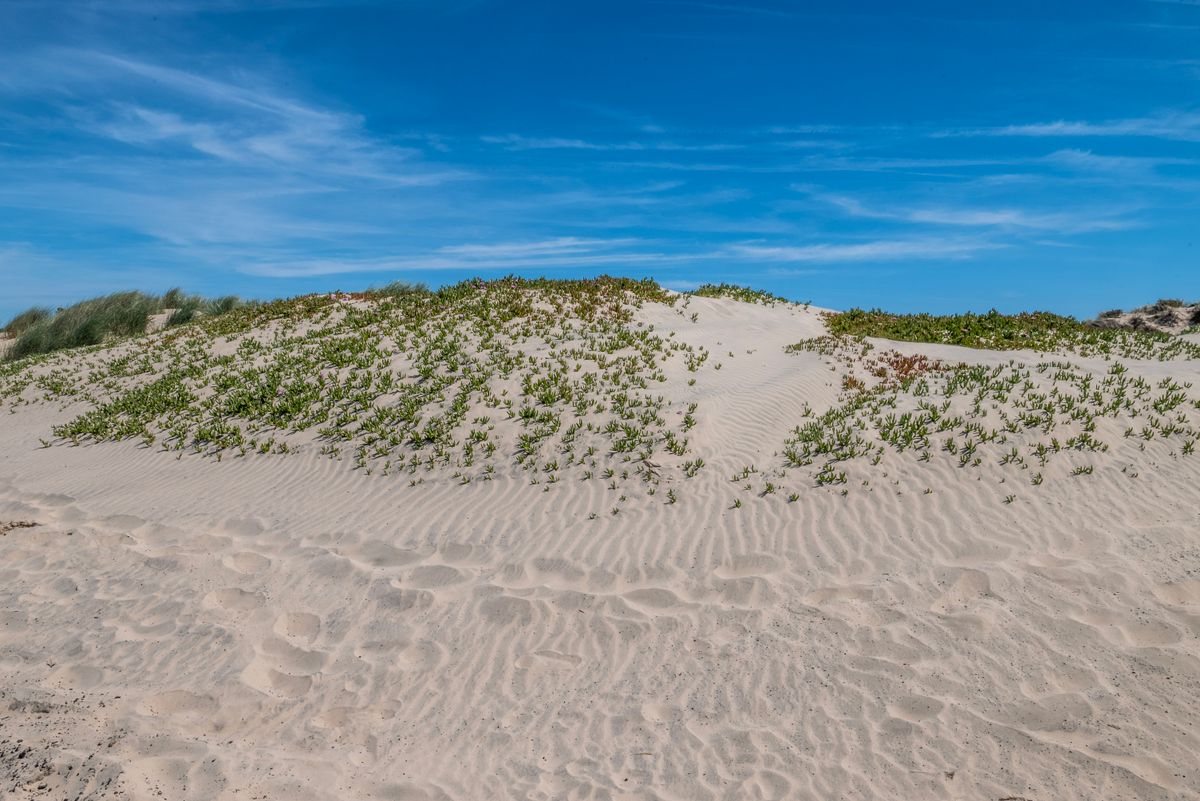
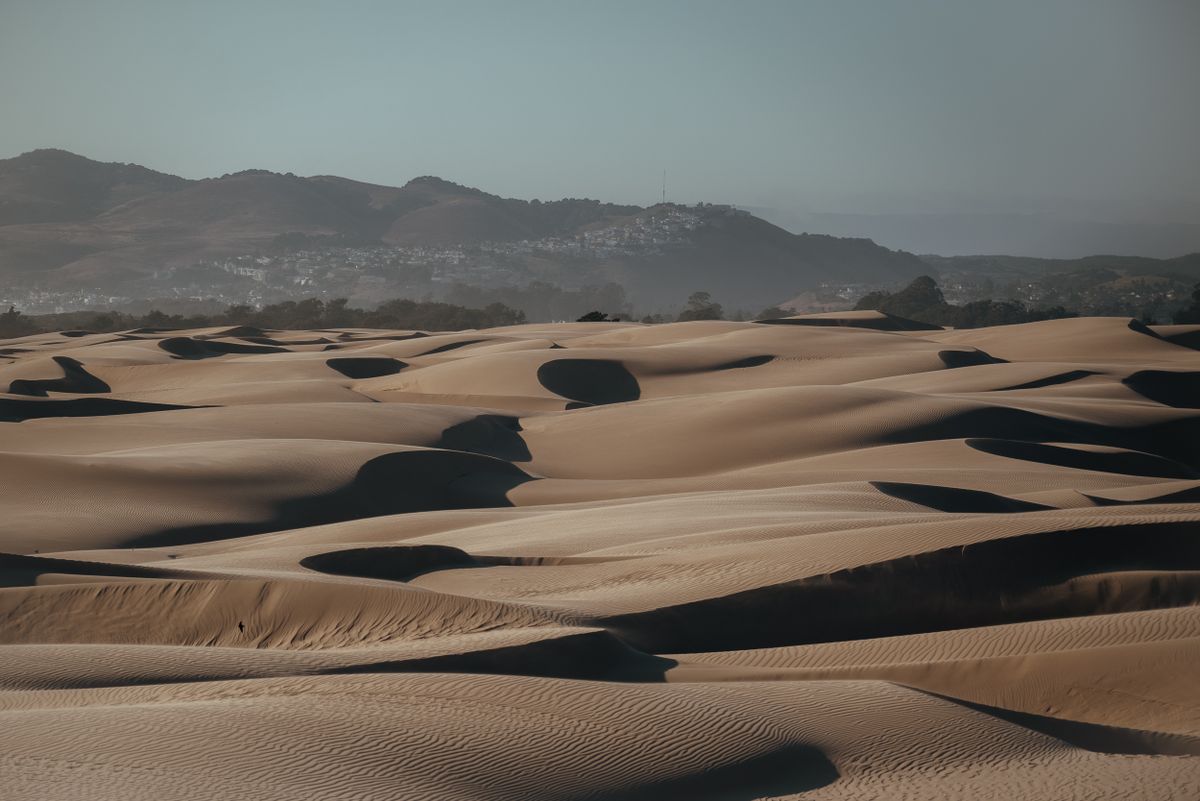
The old dunes make both harder, because sand has almost no cohesion of its own — what holds a dune slope is vegetation, structure and the angle it happens to sit at, not the grip between particles.
Water Is the First Tool, and Usually the Answer
Most slope movement on this coast begins with water arriving where it did not used to. A new roof with a downspout that discharges onto the top of a bank, a driveway graded so it sheds toward the edge, a lawn irrigated through a dry summer on a sandy slope, a septic system's drainage field sited where the ground already creeps.
Intercepting and redirecting that water — a swale at the top, a curtain drain, downspouts taken well past the toe — is cheap next to any structural fix and is where an engineer will start anyway.
What Vegetation Can and Cannot Do
Plants are not a retaining wall, and letting a slope grow over is not the same as stabilising it. The honest position:
- Roots do reinforce soil, and a well-vegetated dune face resists surface erosion far better than bare sand.
- Weight works against you. A large tree on a steep bank adds load at the worst place, and its canopy catches wind that levers at the root plate in sand — which is why trees on the bay-side bluffs in Los Osos topple whole, plate and all, rather than breaking.
- Deep-rooted natives beat shallow ornamentals. The native scrub and grasses that belong here root the way the slope needs; a watered lawn on top of a bank does the opposite.
When It Becomes an Engineering Problem
Where a slope is already moving, where a structure or a road is at the toe, or where a bluff edge is within a few feet of a foundation, the correct answer is a geotechnical engineer and a designed solution — crib walls, soil nails, drainage galleries, sometimes relocation of what is threatened.
We do the vegetation, drainage and tree work around that; we do not pretend to be the engineer, and a contractor who will not say so is one to walk away from. On the coastal terrace there is a permitting layer on top of all of it, because bluff-top work in the Coastal Zone is reviewed for the effect on the bluff itself.
What We Do on a Slope Here
Remove the trees whose weight and wind load are working against the bank; keep and thicken the vegetation that is holding the surface; cut the water off at the top; and stop irrigating the slope. Where surface soil is the problem rather than mass movement, that is erosion control; where the water needs somewhere to go, it is drainage and grading; and where the answer is replanting, it is revegetation and native planting.
Have the Slope Looked At
Tell us what the slope is doing and what sits at the bottom of it, and a photograph from the top of the bank is worth a great deal. Call (805) 927-4414 or use the contact page to arrange a visit; the Los Osos service page has the local picture.
Questions, quotes, or just exploring — we’re here to help.