


Giving a Buried Root Flare Its Ground Back
Soil & Root-Zone Remediation
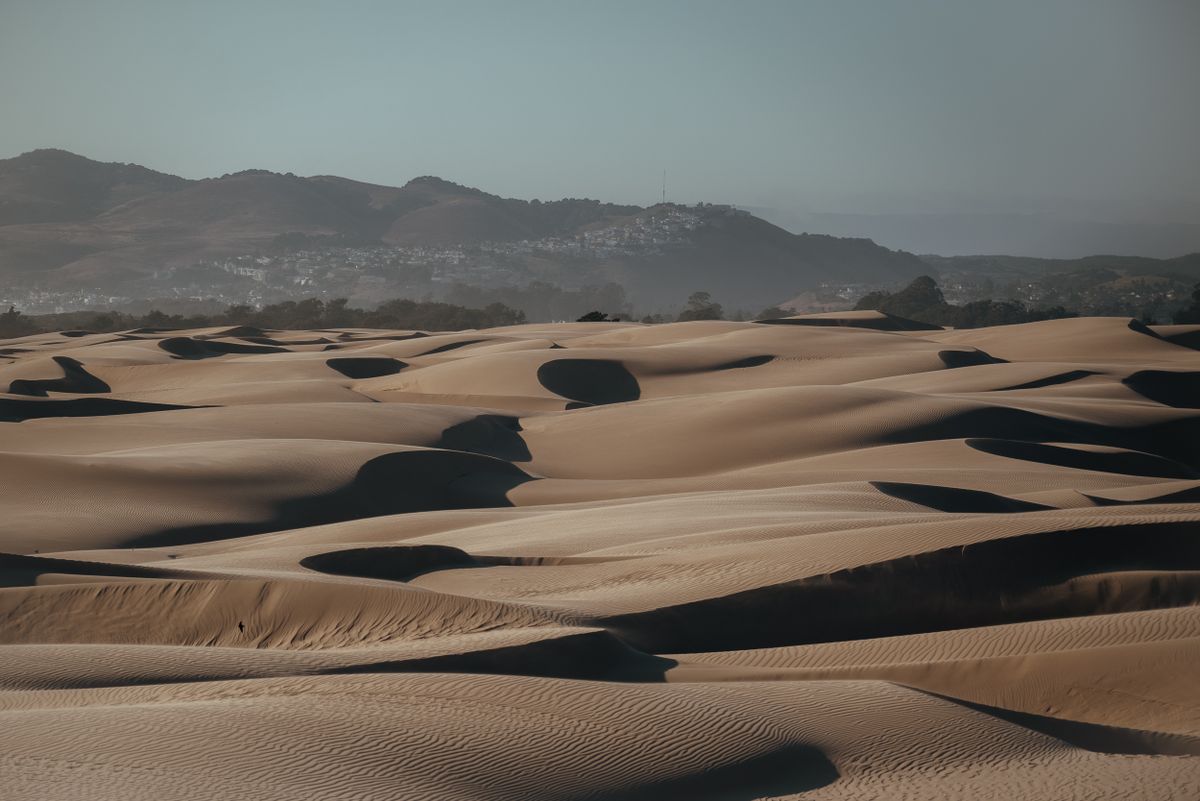
Los Osos — this is the coast these pages are about.
Quick answer: Soil & Root-Zone Remediation — A stump is the part of the problem that is still in the ground: it holds the roots that lift pavement, keeps a species alive if it re-sprouts, and occupies the spot where the next planting goes. Grinding removes it below the surface so the ground can be worked again, and the roots that matter are the ones under the driveway rather than the ones beside the trunk.
- Typical timing: Any month the ground is workable; rain-softened soil grinds fastest and leaves the cleanest spoil.
- What it involves: Assessing re-sprout risk by species, grinding below grade, raking the spoil back, and handling surface roots separately from the stump.
- The standard: ISA guidance on root cutting and the ANSI A300 pruning standard where roots and crown are worked together.
- Where we work: Cambria, San Simeon, Harmony, Cayucos, Morro Bay, Los Osos and the Cambria pine belt.
- Our own record: 503 pages and 291 stories published on this site. Counted from our own archive, not a stock table.
Field note. On this coast the stump is rarely the end of the job: Monterey pine and eucalyptus both keep enough energy in the roots to push new growth, so we are looking at the species before we quote the grind rather than after.
On the other hand, a stump left in a garden bed is sometimes the better answer — it decays, feeds the soil and costs nothing — so grinding is a choice, not a rule.
The Ground a Pine Is Standing In Decides Everything
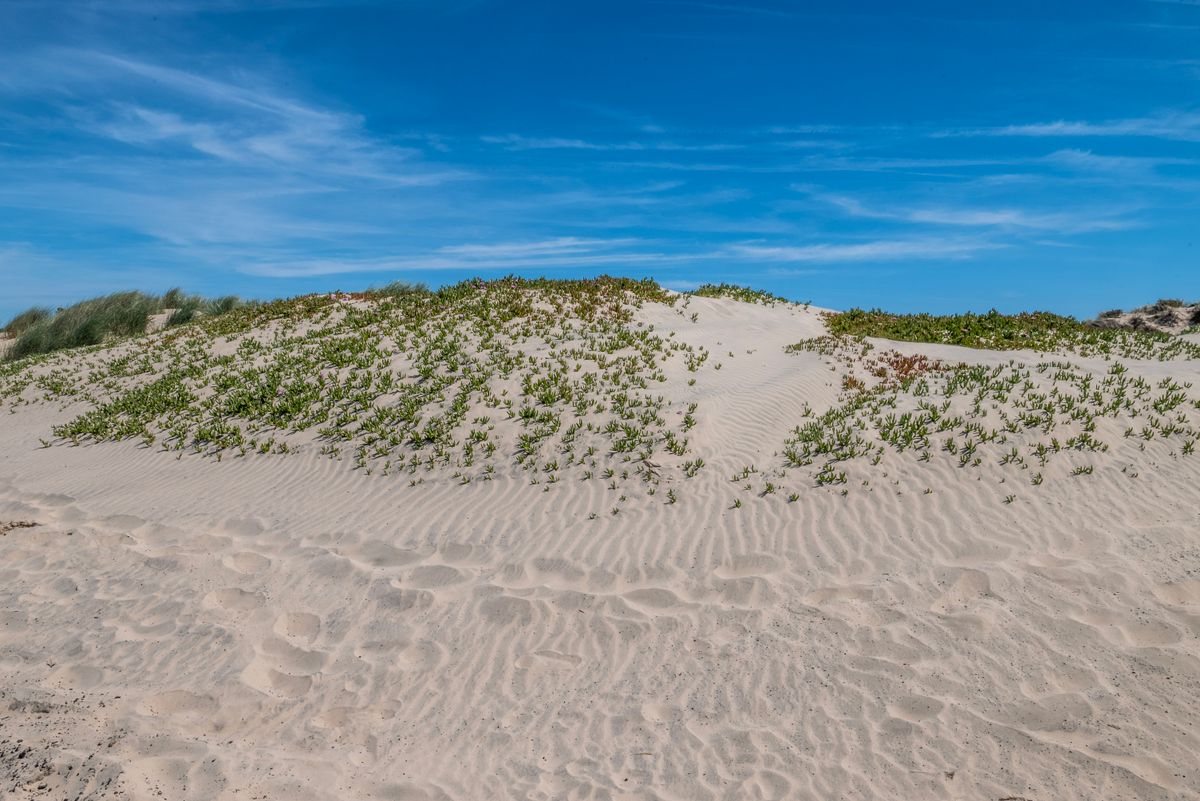
Root zone remediation los osos calls usually trace back to a single afternoon years ago: a driveway widened, a patio poured, a load of fill spread to level a sandy yard, or a parked trailer that never moved again. Dune sand compacts under weight the way any soil does, and once it has been driven over and sealed, the air and water a root needs stop moving through it.
What Damaged Sand Looks Like From Above
The symptoms do not arrive with the injury. They appear a season or three later, and they look like drought, which is why the first instinct is to water more — and why that makes things worse if the problem is that the water cannot penetrate at all.
- Compaction. A surface that resists a soil probe and sheds water instead of absorbing it, usually under a parking area, a path or a lawn that gets mown in the same tracks.
- Fill over the flare. A trunk that appears to rise straight out of flat ground, with no root flare visible, is a trunk that has been buried. The bark below the flare is not built to be wet.
- Grade change. Soil removed from one side and added to the other changes where water goes and which roots are now above the surface.
- Paving and plastic. A paved pad or a sheet of landscape fabric over a root zone is a lid, and the roots underneath it suffocate slowly rather than quickly.
How the Soil Comes Back
Rehabilitation works from the outside in. Where fill has been mounded against a trunk, the excess comes off the flare first, by hand, until the root crown is where it should be. Where the ground is compacted, air spading and radial trenching open the profile without tearing through the structural roots, working outward from the trunk in a pattern that leaves the anchoring roots intact.
The opened trenches are backfilled with a coarse, biologically active material and, everywhere the traffic allows, finished with a mulch layer that keeps the porosity open instead of letting it settle shut again.
Then the part that cannot be rushed: a mature pine or cypress recovers on its own schedule, measured in years, and the improvement is usually visible as a worse-looking tree before it is visible as a better one. Anyone promising a green flush by next spring is selling something.
What Will Not Come Back
Roots that have been cut, crushed or drowned are gone, and remediation restores the conditions for the roots that remain rather than replacing what was lost. Where the injury has already reached the flare, the honest answer may be that the tree is now a risk rather than a candidate for care — a conversation that belongs with a tree risk assessment and not with a bag of soil amendment.
Do the Soil Before the Planting
If a new tree is going into ground that has been compacted or filled, the remediation comes first; planting into a hardpan sand is how a nursery tree dies in its third summer. That sequence is set out in tree planting and installation.
Book a Soil Look
Tell us what was built, driven or filled, and roughly when. Call (805) 927-4414 or use the contact page to arrange a visit; the Los Osos service page covers the rest of the local work.
Questions, quotes, or just exploring — we’re here to help.