


Getting Water Down Past the Sand
Deep Watering & Drought Care
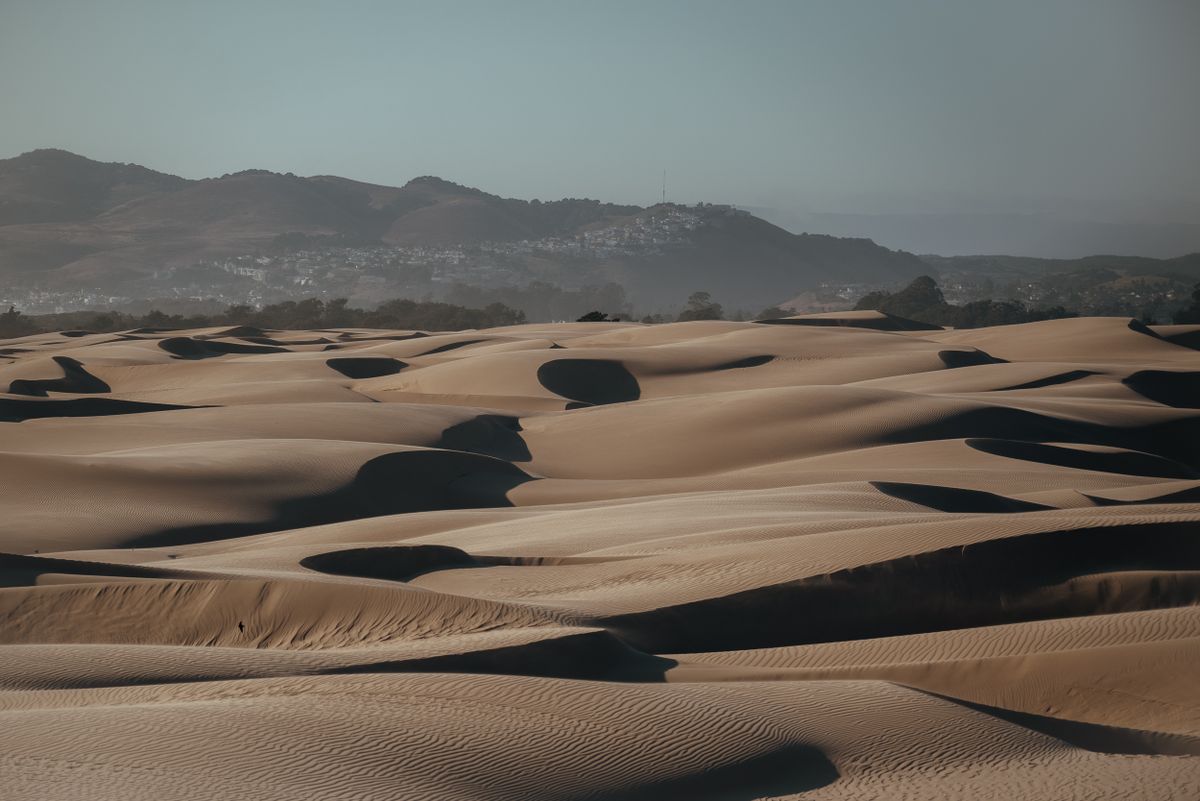
Los Osos — this is the coast these pages are about.
Quick answer: Deep Watering & Drought Care — Trees are watered at the root zone, deeply and infrequently — a long soak that reaches down, then a dry spell that lets roots look for water, rather than a daily sprinkle that keeps everything in the top inch of soil. On the fog belt the question is rarely whether there is moisture in the air but how much got down to the roots.
- Typical timing: Deep watering through the dry season, spaced further apart as the tree establishes; young trees need it far more often than mature ones.
- What it involves: Watering at the drip line rather than the trunk, checking the soil six to eight inches down, and mulching so the water stays where it landed.
- The standard: University extension guidance on landscape tree irrigation and drought response.
- Where we work: The coastal terrace from Cambria to Morro Bay, sandy soil and clay both.
- Our own record: 503 pages and 291 stories published on this site. Counted from our own archive, not a stock table.
Field note. What we see here is that salt air and wind dry a canopy faster than the thermometer suggests, so a tree can be water-stressed on a grey week when nothing looks hot to the person holding the hose.
On the other hand, more water is not a cure-all: on clay, a daily soak drowns roots more often than drought does, and the symptoms look almost identical from above.
Watering Sand Is a Different Job
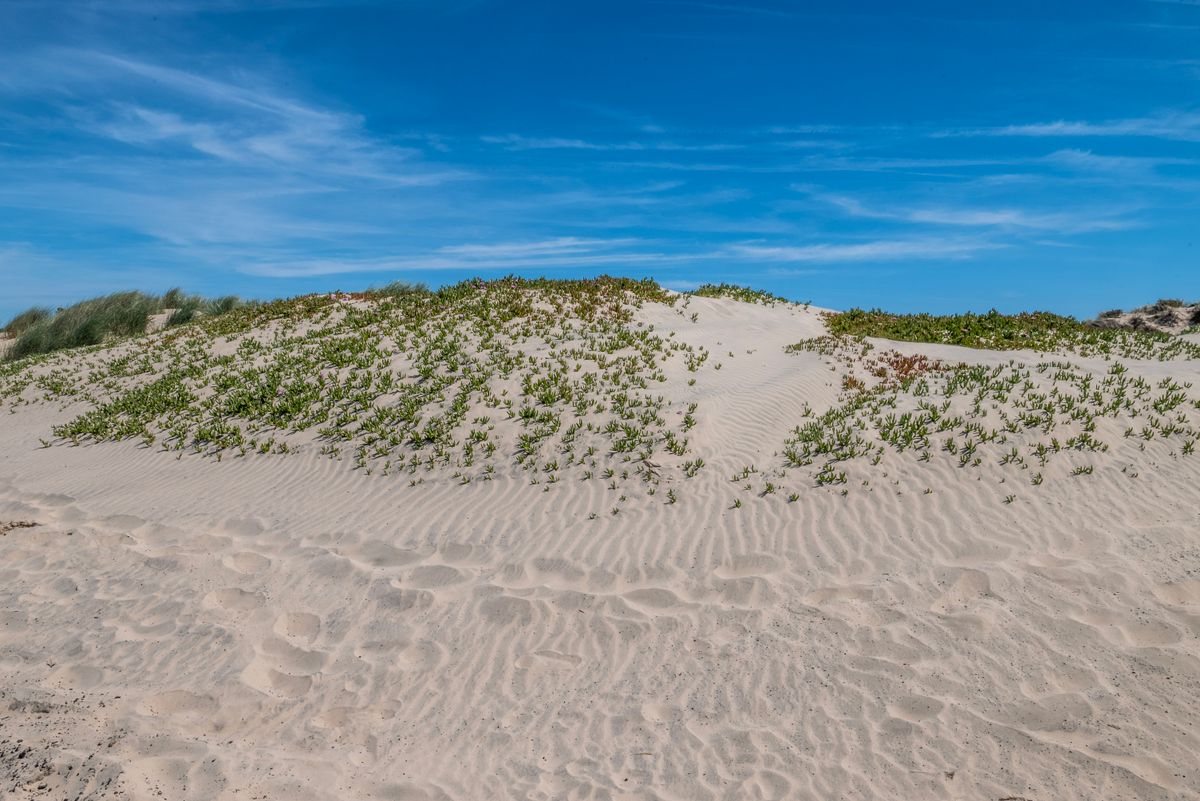
Deep watering los osos is not simply a matter of turning a hose on for longer, because the ground here is ancient dune sand that lets water straight through the top foot and then holds almost none of it.
A sprinkler run that would soak a clay garden in Cambria can pass clean under the roots of a Baywood pine and out of reach within minutes, which is why so many trees on these lots look drought-stressed in a summer that felt wet enough to everybody standing on the lawn.
Why the Root Zone Is Deeper Than the Lawn
Feeder roots sit in the top foot or so of soil, and they extend well past the drip line — often two to three times the canopy width on a mature pine. That means the water has to land out where the roots are, not against the trunk, and it has to arrive slowly enough that the sand can hold it long enough to be used.
- Water at the drip line and beyond, not at the base. A hose parked against the trunk wets a spot the tree does not draw from and can soften the flare.
- Cycle and soak. Two or three shorter runs with a pause between them do more than one long flood, because the pause is what lets the sand absorb what the first run delivered instead of shedding it sideways.
- Go deep and infrequent. A thorough soaking every couple of weeks through the dry season builds a deeper root system than a light sprinkle every evening, which trains roots into the surface where the wind and the sun can reach them.
The Fog Changes the Sum
Los Osos gets summer fog that a thermometer inland never sees, and fog is real water — it wets the canopy and drips, and it slows the transpiration that drives demand. A tree in Baywood Park or Cuesta-by-the-Sea may need noticeably less supplemental water in July than the same species on an exposed ridge above the bay. Reading the tree, the soil at six inches, and the fog belt you are actually in matters more than a calendar.
Symptoms Worth Acting On
Thinning from the top, a canopy that browns at the margins, needles that shorten, and an unusually heavy cone crop after a hard year are all signs that a tree is running a deficit. They are also signs of the opposite problem — a high water table, a leaking irrigation line, or a root zone that stays saturated through the winter — so the diagnosis comes before the hose does.
Where the cause turns out to be the soil rather than the water, that is soil and root-zone remediation.
The Exception That Catches People Out
Native oaks should not be summer-watered at all. A coast live oak on the higher ground above the flats is adapted to a rain-fed year with a dry summer, and routine irrigation through July encourages the root and crown diseases that kill it slowly. If an oak in Los Osos is declining, the first question is whether someone has been kind to it with a sprinkler head.
Have the Trees Looked At
Tell us the species, roughly how old the planting is, and what the irrigation looks like. Call (805) 927-4414 or use the contact page for a visit; our services lists the rest of the soil and tree work on this coast.
Questions, quotes, or just exploring — we’re here to help.