


The Ground You Cannot Drive On Again
Construction Tree Protection
Los Osos — this is the coast these pages are about.
Quick answer: Construction Tree Protection — Trees on this coast live with fog, salt, wind and thin soil, and the work that keeps them healthy is decided by those conditions rather than by a calendar written inland. Structure, clearance and the root zone are what a tree here needs looked at, and small work done early is what keeps a tree out of the emergency list.
- What it involves: Structural pruning, clearance from structures and wires, deadwood removal, root-zone care and hazard assessment.
- Typical timing: Structural work in the dormant months; deadwood, clearance and hazard work whenever the tree needs it.
- The standard: The ISA standards for pruning and tree risk assessment, applied by ISA-certified arborists.
- Where we work: Cambria, San Simeon, Harmony, Cayucos, Morro Bay, Los Osos and the Cambria pine belt.
- Our own record: 503 pages and 291 stories published on this site. Counted from our own archive, not a stock table.
Field note. What we see on this coast is that the trees people worry about are usually not the ones in trouble: the pine with a clean crown and a lean that predates the house is often sounder than the tidy tree that has been quietly drowning in its own root zone.
On the other hand, there is no schedule that suits every tree — the same species on two sides of one street can need opposite care, which is why we look before we recommend.
The Trees You Keep Are Decided Before the Excavator Arrives
Construction tree protection los osos projects rarely fail on the day of the pour; they fail two summers later, when a pine that stood through the whole remodel starts to thin because its roots were crushed under a track loader and nobody drew a line they were not allowed to cross.
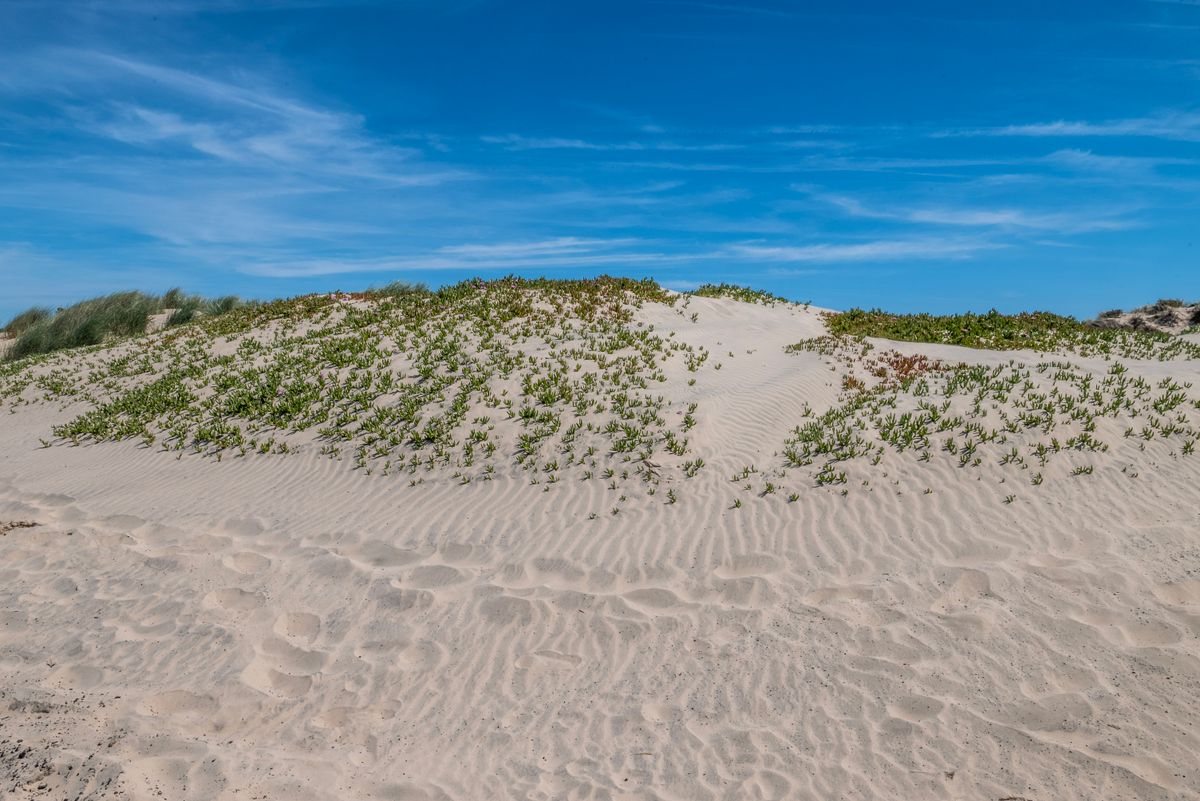
On the old dunes the line matters more than it does inland, because the soil that a pine anchored in is sand — and sand that has been driven over is a different material from sand that has not.
Draw the Critical Root Zone, Then Fence It
The protection zone is not a cosmetic gesture around the trunk. It is the area the tree actually feeds and anchors through, and on a coastal pine it is generous. In practice the plan does four things:
- Marks the zone on the site plan in a radius the tree's own trunk diameter justifies, and marks it again in the dirt with a stake line before any machine arrives.
- Fences it with something a crew cannot casually step over, and posts the reason on the gate — a fence with no sign is a fence that gets moved for a delivery.
- Keeps the grade alone. Fill over a root flare suffocates it as surely as a cut; cutting a grade down removes the roots that were holding the tree up. Neither is reversible.
- Routes the trades around it. Trenching for a water line, a gas stub, a sewer lateral or conduit crossing a root zone is the most common hidden injury on a Los Osos lot, and a route that swings six feet wider costs far less than a replacement tree.
Concrete Washout Is Not a Detail
Washout water is strongly alkaline and it kills roots where it soaks in. The single most preventable tree death on a coastal build is a washout pit dug in a convenient spot under a tree. The plan names a location away from every critical root zone, and the crew is told why.
Monitoring, Because a Plan Is Not a Force Field
A written plan is worth having even when no one watches it, and worth much more when someone does. Periodic site visits — before excavation, before trenching, before the grade is finalised — catch the fence that moved, the spoil pile that landed in the wrong place and the equipment that parked inside the line overnight.
Each visit produces a short written note with photographs, which is also the record that protects the builder if the owner later claims the trees were damaged.
When the Answer Is Not to Build Around It
Sometimes the honest answer is that the tree cannot be kept: the foundation, the driveway or the required drainage falls through the root zone wherever it is placed. Saying so early is cheaper than discovering it after the slab is poured. Where the tree is a coast live oak, the county's protections and the coastal-zone review may narrow the options further, and a permit question belongs in the conversation at the design stage, not the demolition stage.
Walk the Site With Us First
Send the site plan if you have one, and tell us what is being built and where the services run. Call (805) 927-4414 or use the contact page to arrange a visit before the first machine shows up. The Los Osos service page has the wider picture of the work we do here.
Questions, quotes, or just exploring — we’re here to help.