


What a Tree Is Worth Is a Number
Tree Appraisal & Value in Los Osos, CA
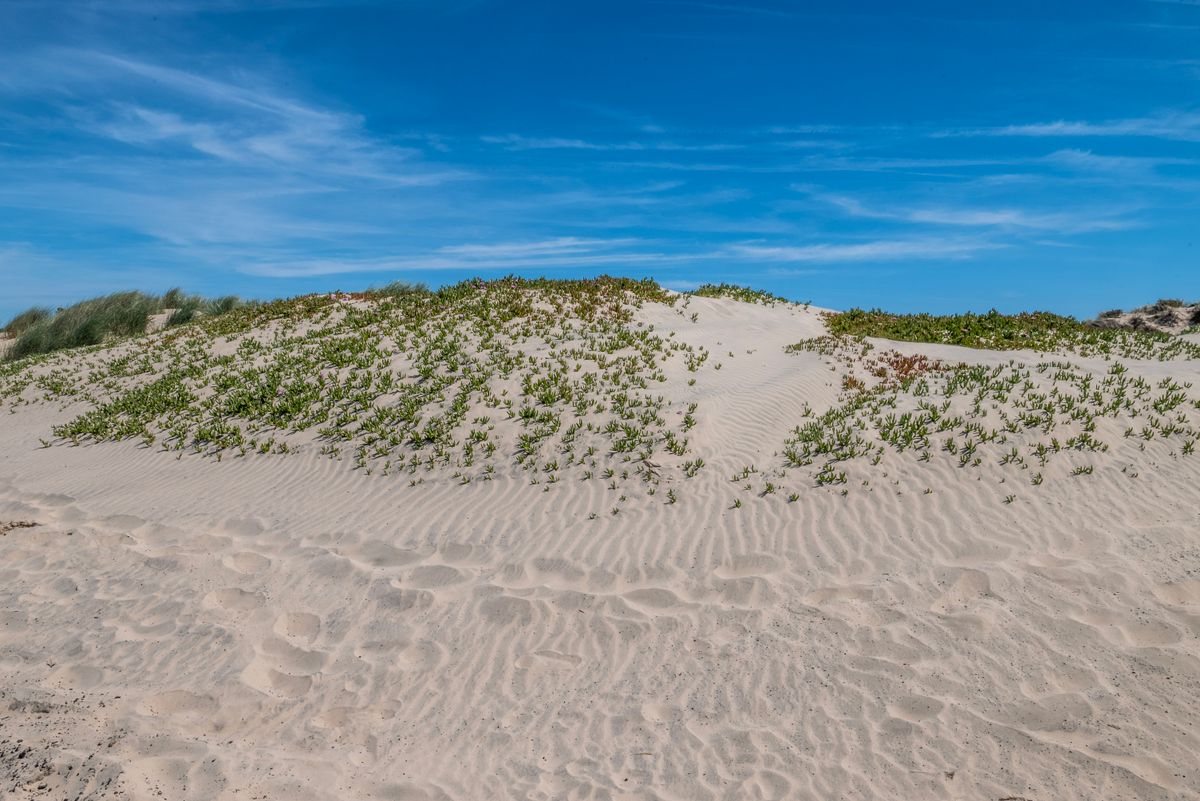
Los Osos — this is the coast these pages are about.
Quick answer: Tree Appraisal & Value in Los Osos, CA — Trees on this coast live with fog, salt, wind and thin soil, and the work that keeps them healthy is decided by those conditions rather than by a calendar written inland. Structure, clearance and the root zone are what a tree here needs looked at, and small work done early is what keeps a tree out of the emergency list.
- What it involves: Structural pruning, clearance from structures and wires, deadwood removal, root-zone care and hazard assessment.
- Typical timing: Structural work in the dormant months; deadwood, clearance and hazard work whenever the tree needs it.
- The standard: The ISA standards for pruning and tree risk assessment, applied by ISA-certified arborists.
- Where we work: Cambria, San Simeon, Harmony, Cayucos, Morro Bay, Los Osos and the Cambria pine belt.
- Our own record: 503 pages and 291 stories published on this site. Counted from our own archive, not a stock table.
Field note. What we see on this coast is that the trees people worry about are usually not the ones in trouble: the pine with a clean crown and a lean that predates the house is often sounder than the tidy tree that has been quietly drowning in its own root zone.
On the other hand, there is no schedule that suits every tree — the same species on two sides of one street can need opposite care, which is why we look before we recommend.
When a tree comes down that should not have — a neighbour's crew over the line, a utility, a contractor who trenching through a root zone, a wind event that a neglected tree was allowed to cause — the question stops being about sentiment and becomes a number. Tree appraisal in Los Osos is the disciplined process of putting a defensible figure on a tree, using a published method rather than an opinion.
The Method Has to Be Named
The approach used for landscape plants is the ISA Trunk Formula method, which starts from the cost of the largest commonly available nursery stock of that species and scales it up for trunk size, then adjusts for species rating, condition, site and location. The result is a replacement-style value that a court, an insurer or an adjuster can follow line by line.
Where a tree is genuinely irreplaceable — a large heritage oak — the appraisal needs a different and more careful treatment, and the report should say so plainly.
What Drives the Number
- Species rating. How valuable that species is considered in this region, which for a coast live oak or a mature Monterey pine on the coast is high.
- Trunk size, measured the same way every time, because it is the base of the calculation.
- Condition — a tree already in decline is worth far less, which is why the condition assessment and the valuation are done by the same person in the same visit.
- Site and location, which capture how much a tree contributes where it actually stands — a specimen over a bay view counts for more than the same tree behind a shed.
Where Appraisals Actually Get Used
Neighbour disputes over a boundary tree or a root-damaged driveway. Utility damage claims where a distribution line crew has removed or damaged a tree. Insurance claims following a wind event, where the tree's value is part of the loss. Casualty-loss claims for a tax deduction after a storm. Estate and settlement matters where trees are part of the asset being divided.
Each has its own evidentiary standard and its own audience, so the report has to be written for the use it will be put to.
Why This Is Not the Same as a Risk Report
A risk assessment answers whether a tree may fail. A valuation answers what it was worth. A report for a sale answers what a buyer needs to know about condition. They overlap, and a competent report may contain all three, but they are different documents with different methods, and conflating them is how an appraisal gets thrown out on cross-examination.
What You Need to Bring
Photographs of the tree before it was damaged if any exist, the date and the cause, what the tree was and where it stood, and any documentation from the other side. The earlier the assessment is done the better the evidence: a stump or a failed root plate is the record of why a tree came down, and it is much better than a memory of it.
Call (805) 927-4414 or use our contact page, and start at our Los Osos page or see everything we do.
Questions, quotes, or just exploring — we’re here to help.