


Roots Under the Driveway, Cuts in the Law
Root Pruning & Root Barriers in Los Osos, CA
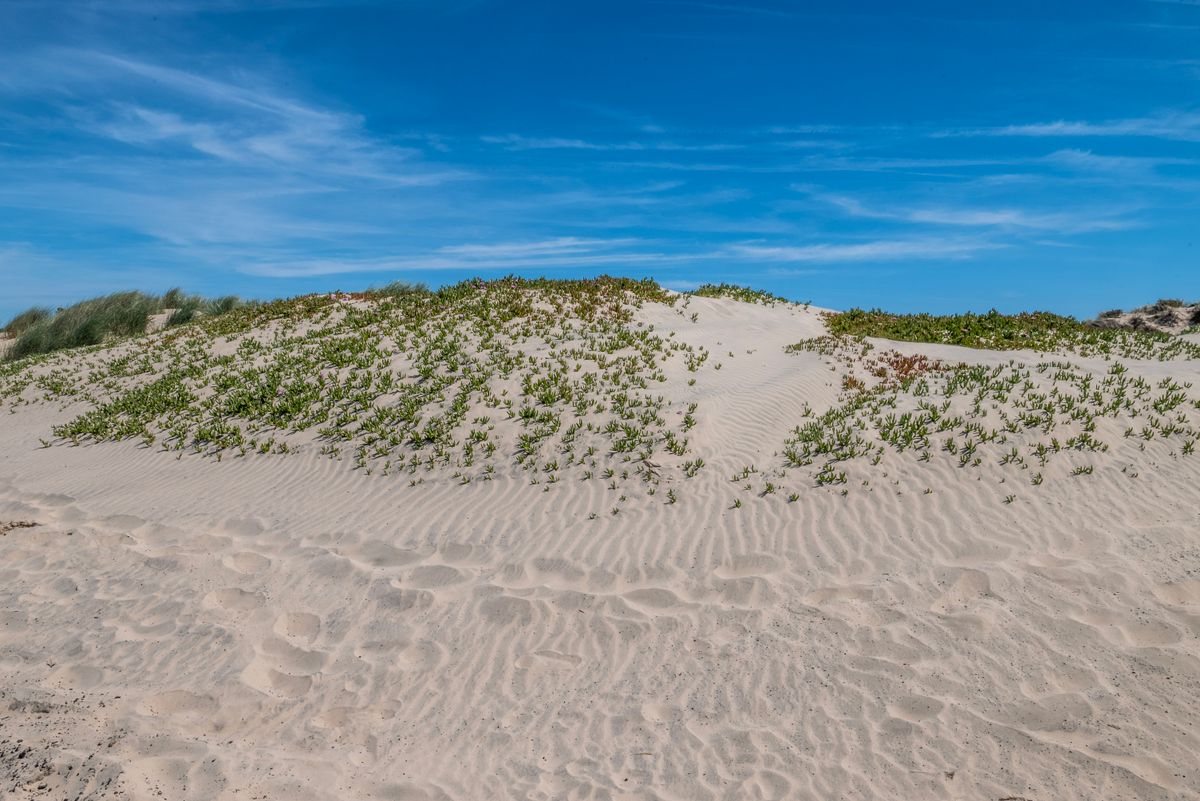
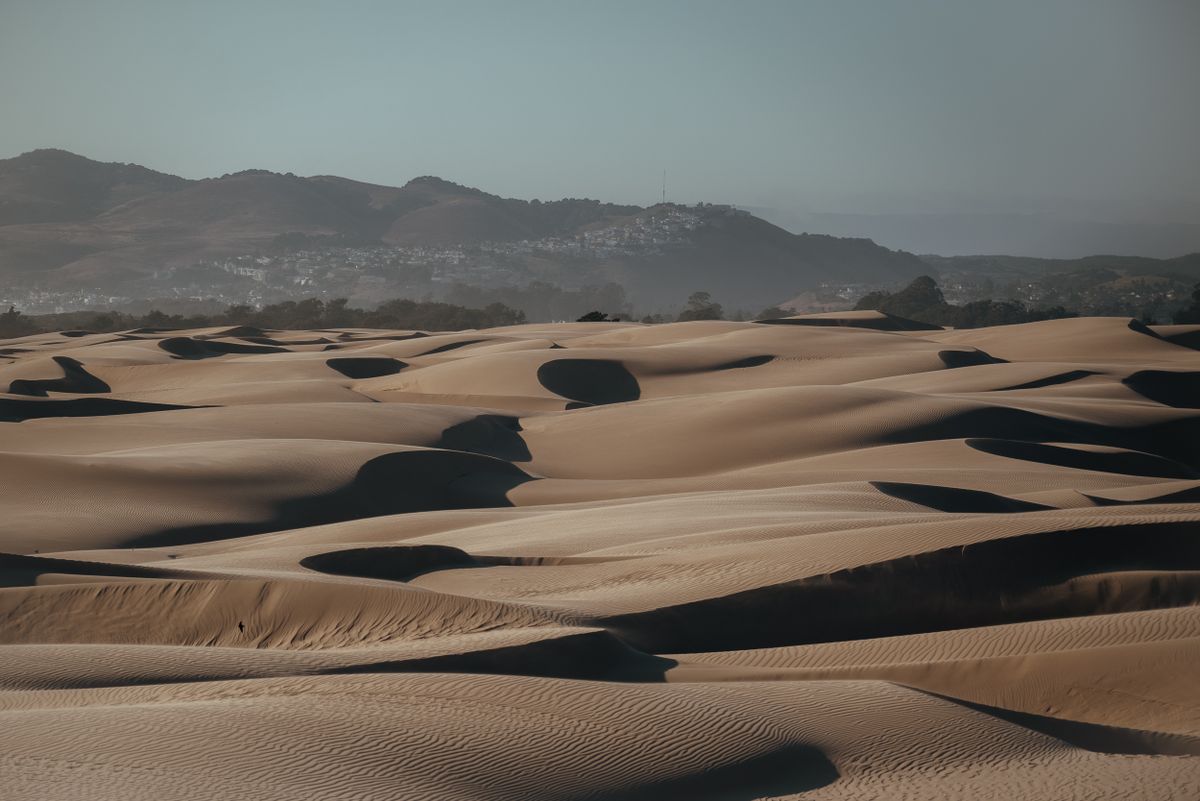
Los Osos — this is the coast these pages are about.
Quick answer: Root Pruning & Root Barriers in Los Osos, CA — A stump is the part of the problem that is still in the ground: it holds the roots that lift pavement, keeps a species alive if it re-sprouts, and occupies the spot where the next planting goes. Grinding removes it below the surface so the ground can be worked again, and the roots that matter are the ones under the driveway rather than the ones beside the trunk.
- Typical timing: Any month the ground is workable; rain-softened soil grinds fastest and leaves the cleanest spoil.
- What it involves: Assessing re-sprout risk by species, grinding below grade, raking the spoil back, and handling surface roots separately from the stump.
- The standard: ISA guidance on root cutting and the ANSI A300 pruning standard where roots and crown are worked together.
- Where we work: Cambria, San Simeon, Harmony, Cayucos, Morro Bay, Los Osos and the Cambria pine belt.
- Our own record: 503 pages and 291 stories published on this site. Counted from our own archive, not a stock table.
Field note. On this coast the stump is rarely the end of the job: Monterey pine and eucalyptus both keep enough energy in the roots to push new growth, so we are looking at the species before we quote the grind rather than after.
On the other hand, a stump left in a garden bed is sometimes the better answer — it decays, feeds the soil and costs nothing — so grinding is a choice, not a rule.
On a Los Osos lot the roots and the pavement are usually in a race, and the pavement is losing. Dune sand is easy for roots to run through, so a pine's root system spreads far wider than the crown, and driveways, walkways, sewer lines and foundations all sit somewhere inside it. Root barrier installation and root pruning are the two tools for that, and they are both more limited than most people hope.
Two Kinds of Root, Two Different Jobs
Structural roots are the large woody ones near the surface that hold the tree up. Fine roots are the fibrous network that takes up water and nutrients, and they extend well beyond the branch tips. Cutting a structural root does two things at once: it removes support, and it opens a wound that decay can follow back into the base.
Cutting fine roots damages the tree's ability to feed itself but is far less destabilising. Knowing which one is in the way is the first question.
How Much Root Can Safely Go
On a mature pine on shallow dune ground, the honest answer is very little in one pass, and the safe distance from the trunk is a function of trunk diameter rather than the size of the tree. Cutting a trench through the root plate of a pine that is already holding itself by friction is how a stable tree becomes the hazard job.
Where a trench has to cross a root zone, we do it in stages, on one side at a time, and keep the tree on a watch list afterwards.
Where Root Barriers Earn Their Place
A barrier is a physical wall set in the ground that stops roots from growing into a defined volume — a driveway edge, a foundation line, a sewer run, a planter that keeps getting invaded. It works when it is installed before the damage, along the right line and deep enough to intercept the roots that matter.
It does not repair a driveway that has already lifted, and installed badly it simply moves the pressure somewhere worse. On this soil, where roots run deep and easy, the depth of the barrier matters more than its length.
The Drainage Question
Roots here are also following water, and a high water table and a wet winter change where they go. Redirecting a downspout or fixing a leaking irrigation line can do more for a pavement problem than any barrier, and if the site is wet the roots will simply find another route. See drainage and grading if water is the underlying cause, and erosion control where root loss has left a bank exposed.
What We Will Not Promise
We will not guarantee that cutting roots and installing a barrier saves both the tree and the pavement. Some jobs are a choice, and we will tell you which one you are buying, along with the follow-up inspection if the tree is one worth keeping. Where the tree is already failing, that conversation belongs with hazardous tree removal.
Tell us what is being damaged, how long it has been happening, and whether the tree is one you want to keep. Call (805) 927-4414 or use the contact page, and start at our Los Osos page.
Questions, quotes, or just exploring — we’re here to help.