


When a Los Osos Pine Is Past Saving
Dead & Dying Tree Removal in Los Osos, CA
Los Osos — this is the coast these pages are about.
Quick answer: Dead & Dying Tree Removal in Los Osos, CA — Removing a tree is planning before it is cutting: where the wood lands, what is under it, whether a rope or a crane takes the weight, and what is left when the crew drives away. A removal is finished when the drop zone is clear and the stump is dealt with, not when the trunk hits the ground.
- Typical timing: When the tree is a hazard, the schedule is immediate — storm damage, split leaders and leaners do not wait for good weather.
- What it involves: A written plan for the drop zone, rigging or crane work over structures, protecting driveways and roofs, and deciding the stump’s fate in advance.
- The standard: The ANSI Z133 safety standard for arboricultural operations, and ISA best practice for removals near structures.
- Where we work: Small town lots, coastal acreage and the narrow properties of the Cambria pine belt.
- Our own record: 503 pages and 291 stories published on this site. Counted from our own archive, not a stock table.
Field note. What we see here is that access decides the price more than height does: a pine over a fence on a slope with no driveway costs more to take down safely than a taller tree with a clear drop, and the plan is where that shows up.
On the other hand, removal is not the only safe answer — a tree with one failing limb, or a lean that can be corrected by reduction, is often better kept and managed than gone.
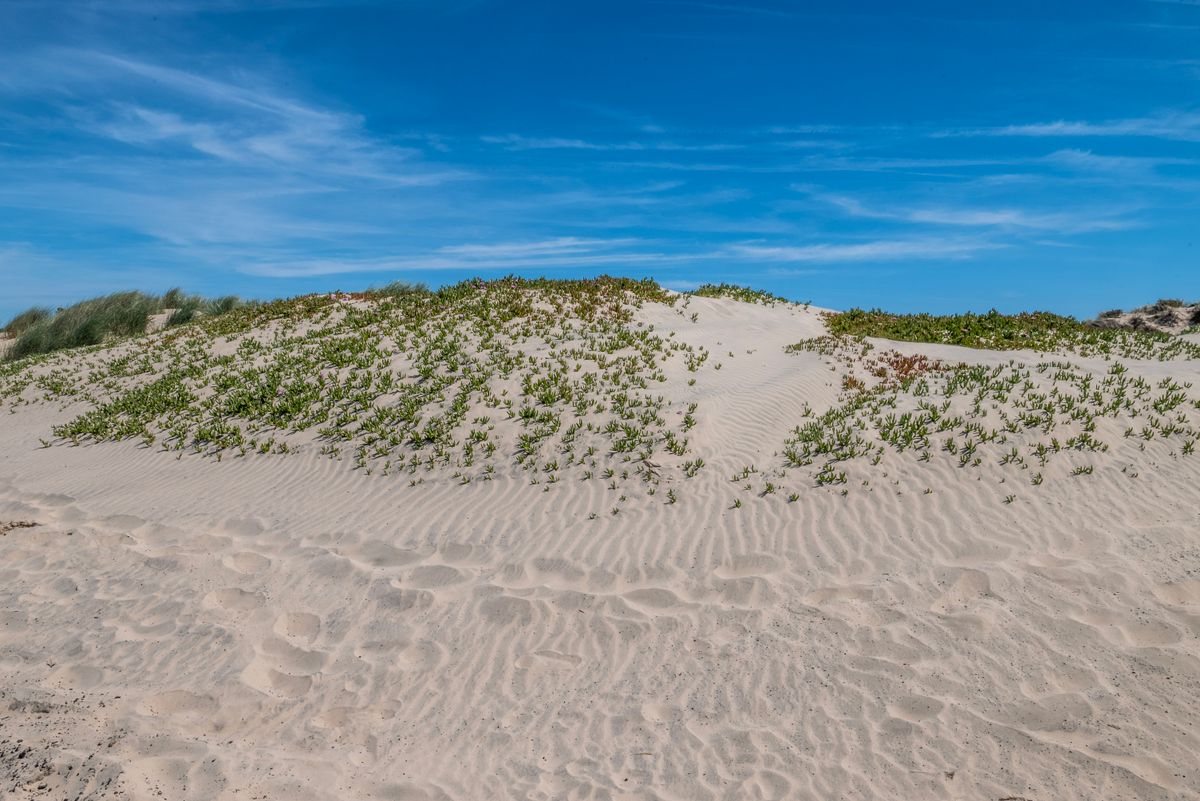
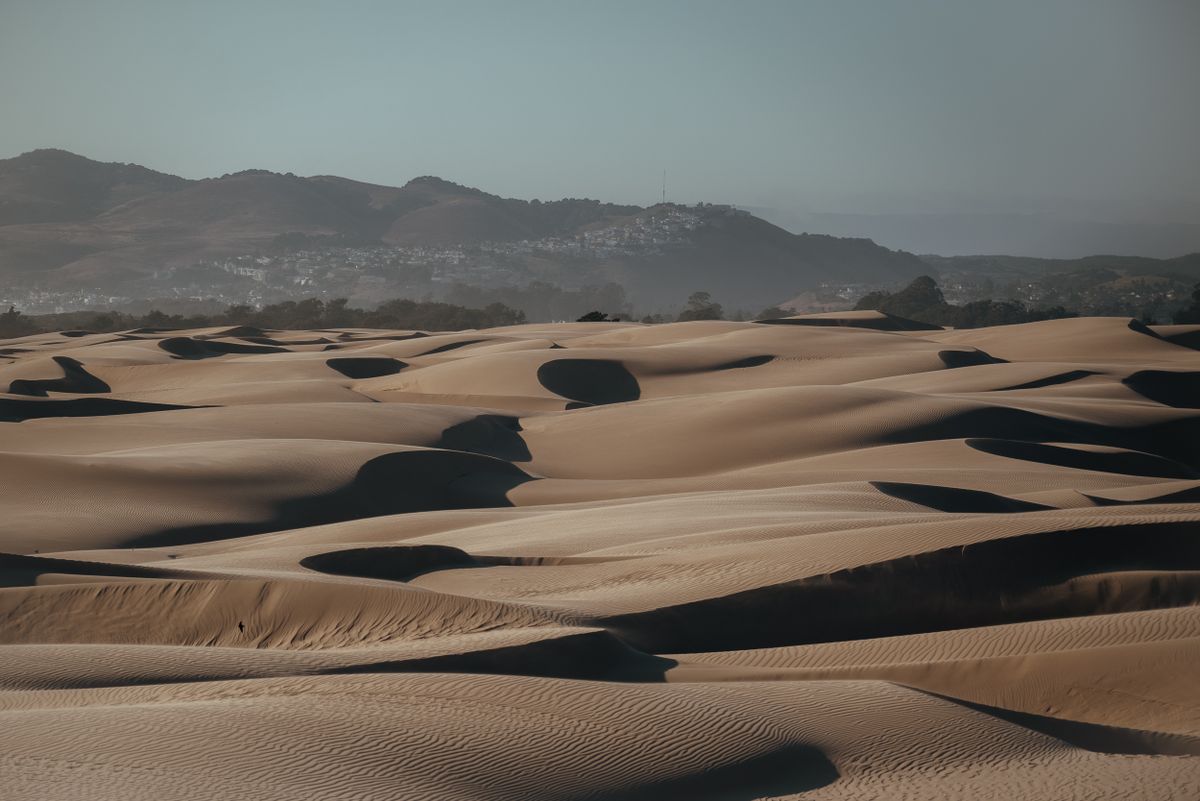
The pines that died on the Los Osos dunes between 2016 and 2020 are still standing on a lot of parcels, and most of them are harder to remove now than they were the year they died. Dead tree removal here is not the same job as taking down a live pine, because the material has changed.
Dead, Dying and Dormant Are Three Different Trees
A dead pine has no green, no resin and a bark that has begun to fall away in plates. A dying one still pushes some green but has thinned from the inside out — that inner-crown thinning is the beetle pattern, not the season — and it will not push resin against a borer. A dormant tree, or one browned by salt burn after a wind event, looks alarming in February and fine by May.
We check with a knife, a look at the buds and the cambium before recommending anything, because removing a live tree on a misread is an expensive mistake.
Why Dead Wood Is More Dangerous to Work
Brittle wood does not hold a hinge, a notch or a rigging point the way green wood does. On a dead pine the top can shear where a live tree would bend, which is why dead removals on dune ground are usually planned with a crane or with more of the tree brought down in pieces than a live job of the same size.
It is not caution for its own sake — it is the physics of wood that has stopped making resin.
This Is Planned Work, Not an Emergency
A dead tree that is still upright is a schedule item, not a 2 a.m. call. That is good news: it means the job can be planned around access, a crane's availability, and the wind. The exception is a dead tree that has begun to lean on the bay side of a house or over a driveway — that one moves up the list, and quickly.
The Wood, the Chips and the Ground
Beetle-killed pine is light and it burns well, and some neighbours want it split for firewood. What will not go to a woodpile is chipped and can stay on the parcel as mulch — on dune sand, a mat of chips does three useful things at once: it holds the surface through the first storms, slows the water that would otherwise run off, and suppresses the regrowth that would put the fuel back.
See chipping and debris haul-away for what leaves on the truck and wood chip mulch delivery if you want a thicker mat than the job produced.
Before You Assume It Is Dead
If the tree is in decline rather than finished, the cause is worth naming first — beetles after drought, soil compaction, a root zone drowned by a wet spring on a high water table. Tree health diagnosis separates those before anyone reaches for a saw, and hazardous removal covers the case where the defect, not the death, is what forces the hand.
Send a photograph of the trunk base and the crown and we can usually say on the phone whether it is dead or merely dormant. Call (805) 927-4414 or use the contact page to book a look, and see our services for the rest of the work we do on the dunes.
Questions, quotes, or just exploring — we’re here to help.