


The List That Stops You Paying Twice
Tree Inventory & Management Plan in Morro Bay, CA
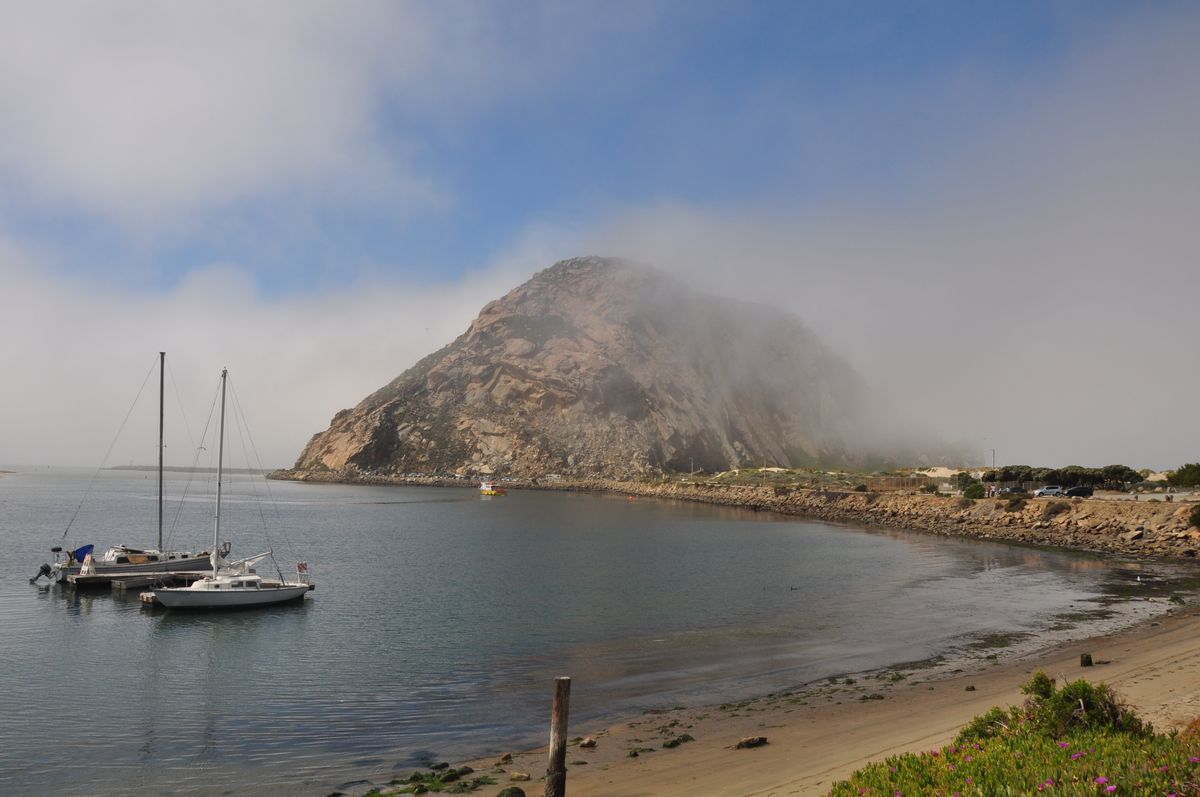
Morro Bay — this is the coast these pages are about.
Quick answer: Tree Inventory & Management Plan in Morro Bay, CA — Trees on this coast live with fog, salt, wind and thin soil, and the work that keeps them healthy is decided by those conditions rather than by a calendar written inland. Structure, clearance and the root zone are what a tree here needs looked at, and small work done early is what keeps a tree out of the emergency list.
- What it involves: Structural pruning, clearance from structures and wires, deadwood removal, root-zone care and hazard assessment.
- Typical timing: Structural work in the dormant months; deadwood, clearance and hazard work whenever the tree needs it.
- The standard: The ISA standards for pruning and tree risk assessment, applied by ISA-certified arborists.
- Where we work: Cambria, San Simeon, Harmony, Cayucos, Morro Bay, Los Osos and the Cambria pine belt.
- Our own record: 503 pages and 291 stories published on this site. Counted from our own archive, not a stock table.
Field note. What we see on this coast is that the trees people worry about are usually not the ones in trouble: the pine with a clean crown and a lean that predates the house is often sounder than the tidy tree that has been quietly drowning in its own root zone.
On the other hand, there is no schedule that suits every tree — the same species on two sides of one street can need opposite care, which is why we look before we recommend.
A tree inventory is the least glamorous thing we produce and the one that stops a Morro Bay property manager from spending the same money twice. It is a list: every tree that matters, its species, its size, its condition, what threatens it and what it threatens, the work recommended, and the order that work should happen in. The output is deliberately dull, and it is what turns a maintenance budget into a plan.
What goes in a record
Each tree gets an identifier that survives staff changes — a number on a tag or a pin on a plan — and with it the species, the trunk diameter, the height and spread, the canopy condition, and a note on structure. Then the part a manager actually uses: a risk rating that reflects what the tree could hit and how likely it is, a list of specific recommended work, and a priority.
Two cypress on the same lot may both be declining; only one is over the only vehicle entrance, and the inventory is what makes that difference visible on a page instead of in someone's memory.
The output a manager can act on
We deliver the inventory as a spreadsheet or CSV, and on request as map points a GIS or a CAD plan can use, so the tree over the third parking bay is findable by the person paying the invoice rather than only by the arborist who wrote it. Photographs are attached per tree where a defect needs to be seen to be understood.
The document is written so that a board, an insurer or a new manager can read it without a translator.
Where the budget comes from
The value of an inventory is that it converts opinion into a defensible schedule. Instead of a list of quotes responding to complaints, a manager gets a five-year projection: which trees need pruning and how often, which are approaching the end of a safe life, which removals are foreseeable and roughly what removing them will involve.
That projection is what a reserve study should carry, and its absence is why tree work on shared property so often arrives as an unbudgeted surprise.
The coastal specifics that change the plan
On a Morro Bay portfolio the species mix drives the cycle. Monterey cypress and pine on these sites grow fast, hold wind, and eventually develop the included bark and root-plate weaknesses that make them the trees most likely to require real work; the invasive and self-seeded material that comes up in wet years fills in the gaps between them and is best removed early while it is cheap.
Salt and wind mean the windward edge is on a shorter inspection cycle than the sheltered interior, which is a distinction an inland inventory would not need to make.
How it pairs with the program
The inventory is the document; the HOA and apartment program is what runs it — the inspections, the reporting and the emergency protocol that sit on top. Together they are the difference between owning trees and managing them, and on a site with a board, an insurer and residents all asking questions, they are also the cheapest form of protection available. Where the first question is a single tree rather than the whole site, that is tree risk assessment instead.
Send the address and roughly how many trees are in the common areas or along the frontage, and we will quote a first walk. Call (805) 927-4414 or use the contact page.
Field note — Adrian Delacroix tags trees in a sequence that matches the property's own plan where one exists; an inventory nobody can locate on the ground is an inventory nobody uses.
Questions, quotes, or just exploring — we’re here to help.