

Putting Cover Back on Cleared Ground
Revegetation & Native Planting in Morro Bay
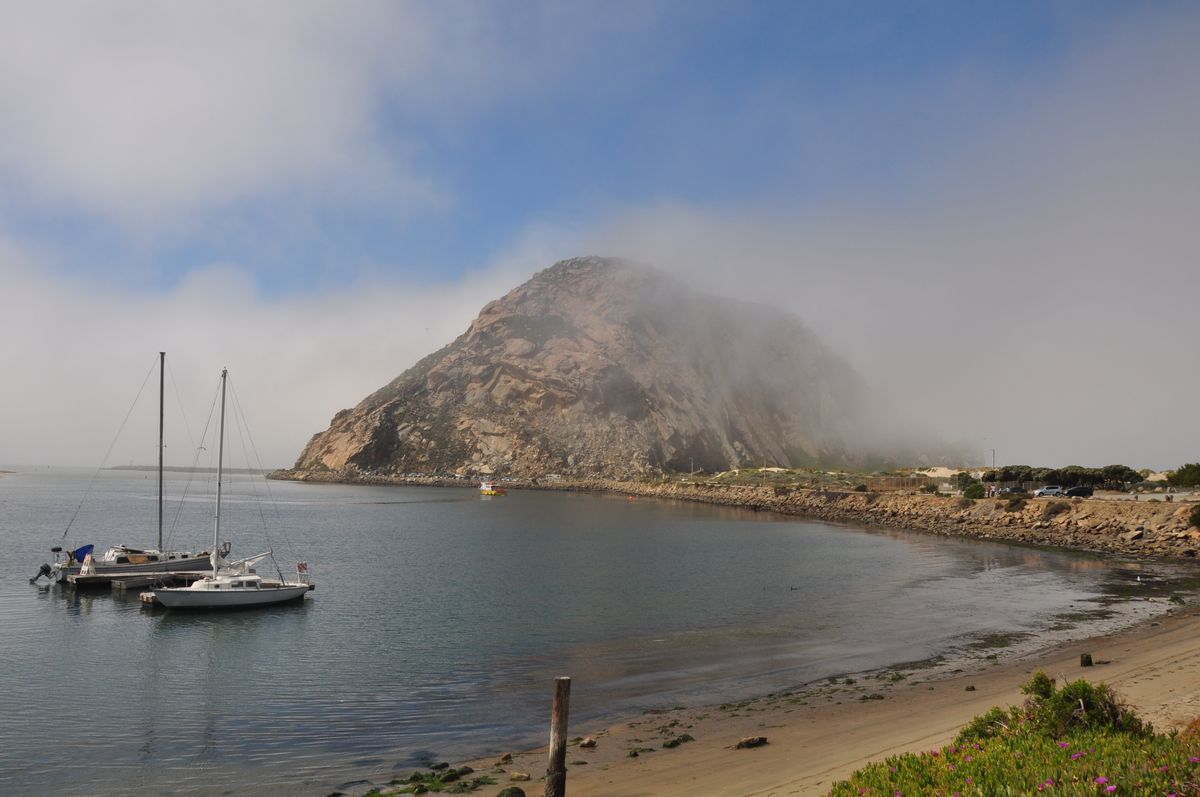
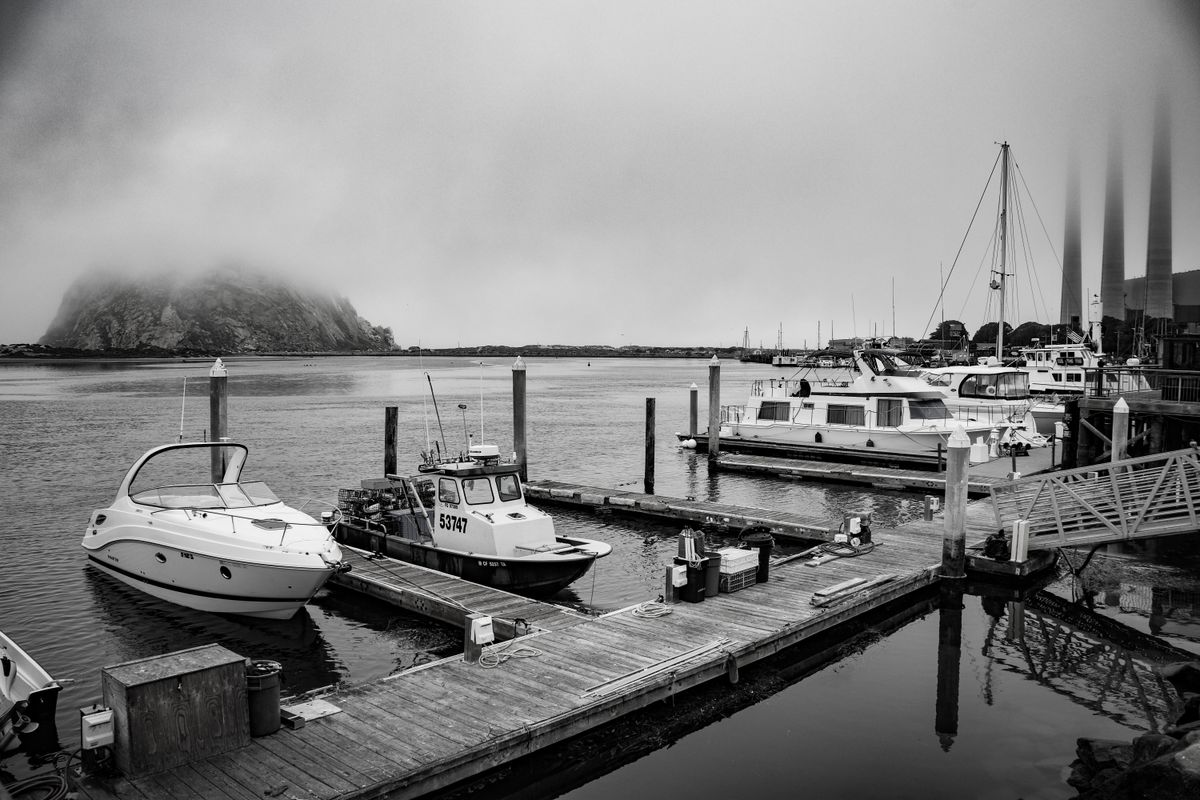
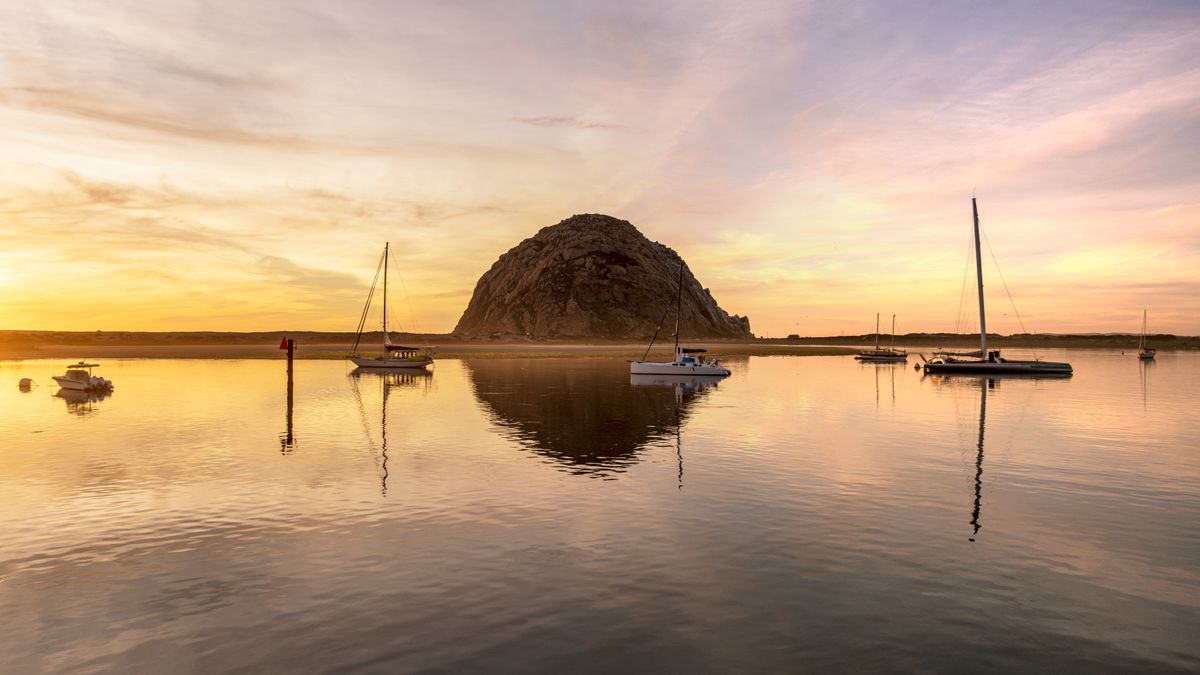
Morro Bay — this is the coast these pages are about.
Quick answer: Revegetation & Native Planting in Morro Bay — The tree that thrives here is the one chosen for this coast: fog, salt, wind and shallow soil are the local constraints, and mature size is the constraint most often ignored. Planting is a matter of putting the right species in a site that can hold it, then keeping the root flare visible and the first summers watered.
- Typical timing: Autumn planting, so winter rain does the establishment work; the first two summers decide the tree.
- What it involves: Matching mature canopy and root spread to the space, planting at the depth the tree grew in, and staking only when it is needed.
- The standard: Cal Poly’s SelecTree species data and university extension planting guidance.
- Where we work: Gardens and acreage from Cambria through Cayucos and Morro Bay.
- Our own record: 503 pages and 291 stories published on this site. Counted from our own archive, not a stock table.
Field note. What we see is that the coast is forgiving to the right species and unforgiving to the wrong one: the same tree that looks comfortable four streets in will burn on the windward side of a Cambria lot.
On the other hand, natives are not automatically the answer at every address — a species that belongs in the watershed can still be the wrong size for the garden it is standing in.
Ground that has been cleared in Morro Bay does not stay cleared, and what comes up on its own is almost never what you would have chosen. The first season after a bank is stripped or a yard is scraped, the colonisers arrive — veldt grass, wild radish, broom, the odd acacia — and by the second year the slope is either choked or washing.
Native planting in these conditions is not decoration; it is how cover is re-established on purpose rather than by accident.
Species that tolerate this coast
The plants that survive a north-westerly carrying salt, a summer of fog and six months of no rain are a fairly short list, and it is worth choosing from it honestly rather than trying to make something unsuitable work.
- Shrubs: coyote brush, California sagebrush, native ceanothus, toyon, and mock heather, all of which take wind and salt and need no summer water once established.
- Grasses and sedges: purple needlegrass and the fescues for cover and root mass, with dune sedge where the ground stays damper.
- Trees, where a tree is wanted: coast live oak inland of the spray zone, and the cypress that already defines this coast — sited for the room they will need, not the room they need now.
Hydroseed, container stock, or both
Hydroseeding covers ground fast and cheaply and is the right answer for a large burn scar or a graded bank that has to be held through one winter. Container stock establishes more reliably, tolerates the summer better, and is worth the cost where the slope is steep, visible or close to something you do not want to lose. In practice the two are combined: seed for the matrix, plugs and one-gallons where the ground is most exposed.
Establishment watering, and the oak-shaped exception
New plantings here need water through their first two summers even when the species is drought-adapted — that is the difference between establishment and permanent irrigation. The trap is the mature oak.
A coast live oak inside a re-vegetated area must not have its root zone irrigated, so on a lot with a heritage oak the planting plan is designed to be watered in zones which exclude the tree, and the oak's own ground is left dry. Getting that boundary wrong is how a revegetation project quietly kills the tree it was supposed to sit under.
Cover that does not compete with the trees
Vegetation that holds a bank is vegetation that also competes for the same water and light. On a wooded Morro Bay property the aim is a low, spread-out cover under and between the trees rather than a thicket against their trunks — which is the same principle as the fire work in brush removal, arrived at from a different direction. Keep the trunks clear, keep the ground covered, and space the shrubs rather than massing them.
Once the ground is holding, the follow-up is usually erosion control monitoring through the first wet season and, where the soil was disturbed hard, amendment before planting. Call (805) 927-4414 or use the contact page and we will write the planting list against your slope and your exposure rather than a catalogue.
Field note — Sofia Underwood plants in autumn, not spring: a coastal native given a wet season to root is a different plant by June.
Questions, quotes, or just exploring — we’re here to help.