


A Defensible Number
Tree Appraisal & Value in Morro Bay, CA
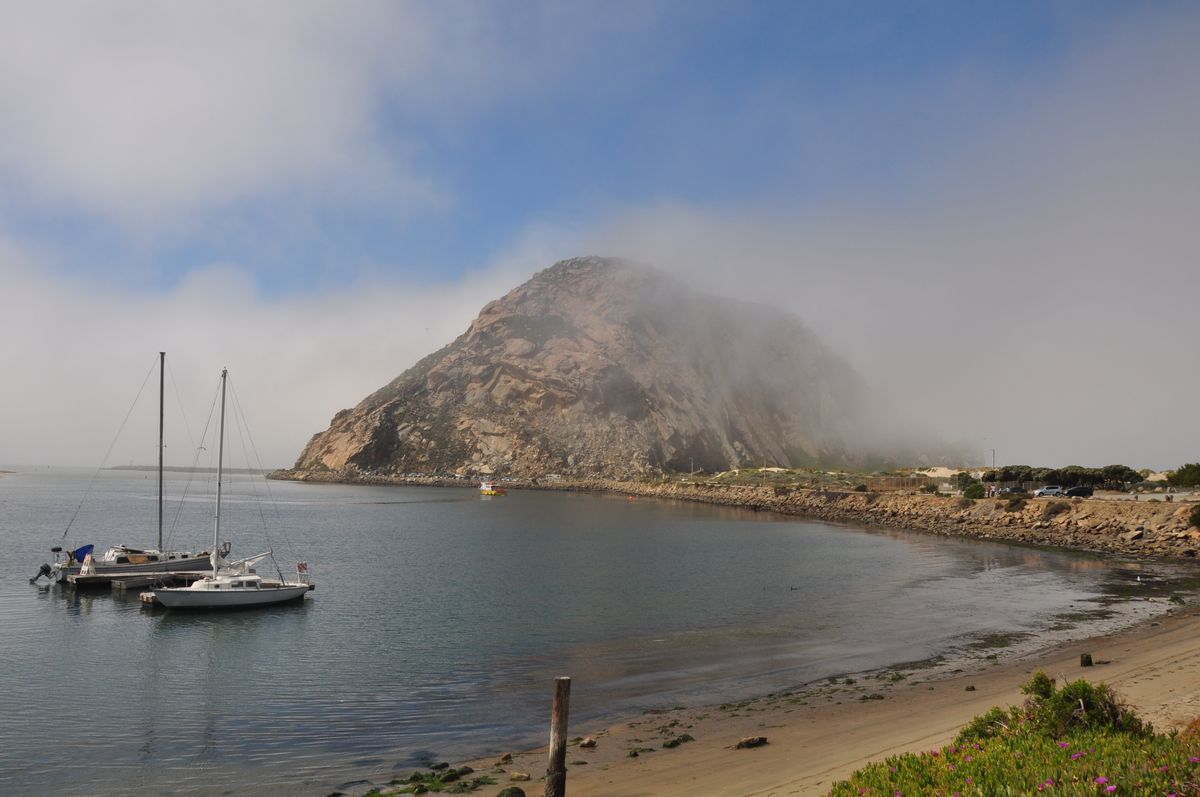
Morro Bay — this is the coast these pages are about.
Quick answer: Tree Appraisal & Value in Morro Bay, CA — Defensible space is the work that decides what a fire has to burn between the wildland and the house: dead material out, ladder fuels separated, and the tree you keep limbed up rather than removed. It is measured in zones from the structure, and the first few feet are the ones that matter most.
- Typical timing: Best done in the cool months so the debris is gone before the dry season; clearance rules apply year-round.
- What it involves: Removing dead and dying material, separating shrubs from low limbs, limbing trees near structures, and keeping the roof and gutters clear.
- The standard: Cal Fire's defensible-space guidance for the first 100 feet, applied to the trees a property actually has.
- Where we work: The wooded parts of Cambria, San Simeon, Harmony and the surrounding ranch country.
- Our own record: 503 pages and 291 stories published on this site. Counted from our own archive, not a stock table.
Field note. What we see on this coast that surprises people is how much of the fuel load is low: the limb at four feet and the brush beneath it carries fire into a canopy that would otherwise survive, so the work is often lifting rather than felling.
On the other hand, over-clearing has its own cost — bare ground erodes, and the wind that comes with the fog belt is harder on a thinned stand than the fire risk it removes.
When a contractor backs a truck into a mature tree on a Morro Bay property, or a utility clears a stand of cypress along a right-of-way, or a property settles an estate that includes a grove of oaks, somebody eventually has to answer the question of what the tree was worth. That answer is not a feeling about trees.
It is a number produced by a published method, applied to measurements someone can check, and defended against the fact that a tree no longer exists to be inspected.
The method, and why naming it matters
Tree appraisal follows a recognised approach — in North America, the trunk formula method, which values a tree by its trunk cross-sectional area, adjusted by species, condition, location and site.
The result is not a market price for a tree, since trees are rarely bought and sold; it is a defensible estimate of replacement value, and its credibility rests entirely on the method being named and its inputs being measured rather than estimated. A figure quoted without a stated method is not an appraisal, and it will not survive being challenged.
What actually moves the number
- Size. Trunk diameter drives the formula, and it is measured rather than guessed. Big trees are worth far more than small ones by this method, which is one reason the loss of a mature specimen is a real loss.
- Species rating. A coast live oak and an invasive volunteer are not valued alike; the ratings come from regional tables rather than opinion.
- Condition. A tree with dieback, a hollow base or a history of poor structure appraises lower — and this is where an honest appraisal differs from a claim.
- Location and site. How visible the tree is, how much it contributes to the property, and whether it stands in the middle of a garden or at the back of a lot all count.
- Replaceability. A tree that could be replaced with a nursery specimen of the same species is valued one way; one that could not be replaced in a lifetime is another.
Where appraisals get used
The common cases are a vehicle or construction damage claim, utility clearing and right-of-way work, an insurance claim where a tree was destroyed, a casualty-loss deduction after a fire, and matters of estate or division of property. Each one wants the same thing — a documented method and measured inputs — but they differ in who has to be convinced, and the audience changes how much supporting material belongs in the report.
Where a tree's condition is the disputed point rather than its size, a condition report or a risk assessment is the more relevant document and the appraisal is only half the file.
What an appraisal is not
It does not settle liability, and it does not replace the opinion of the person who owns the tree. It puts a defensible figure on a specific tree by a stated method, and its usefulness depends on somebody else accepting that method.
Where the tree is damaged but not destroyed, the more useful first step is often a diagnosis and a plan to keep it — see tree health diagnosis and soil and root-zone remediation — with the appraisal held in reserve if the tree does not recover.
Get the number documented
Tell us what happened, when, and who is asking for the figure, and have any photographs of the tree taken before the damage if they exist, because they matter. Call (805) 927-4414 or use the contact page, and see our services for the assessment work.
Questions, quotes, or just exploring — we’re here to help.