

Keeping an Oak Another Century
Oak Tree Preservation in Morro Bay, CA
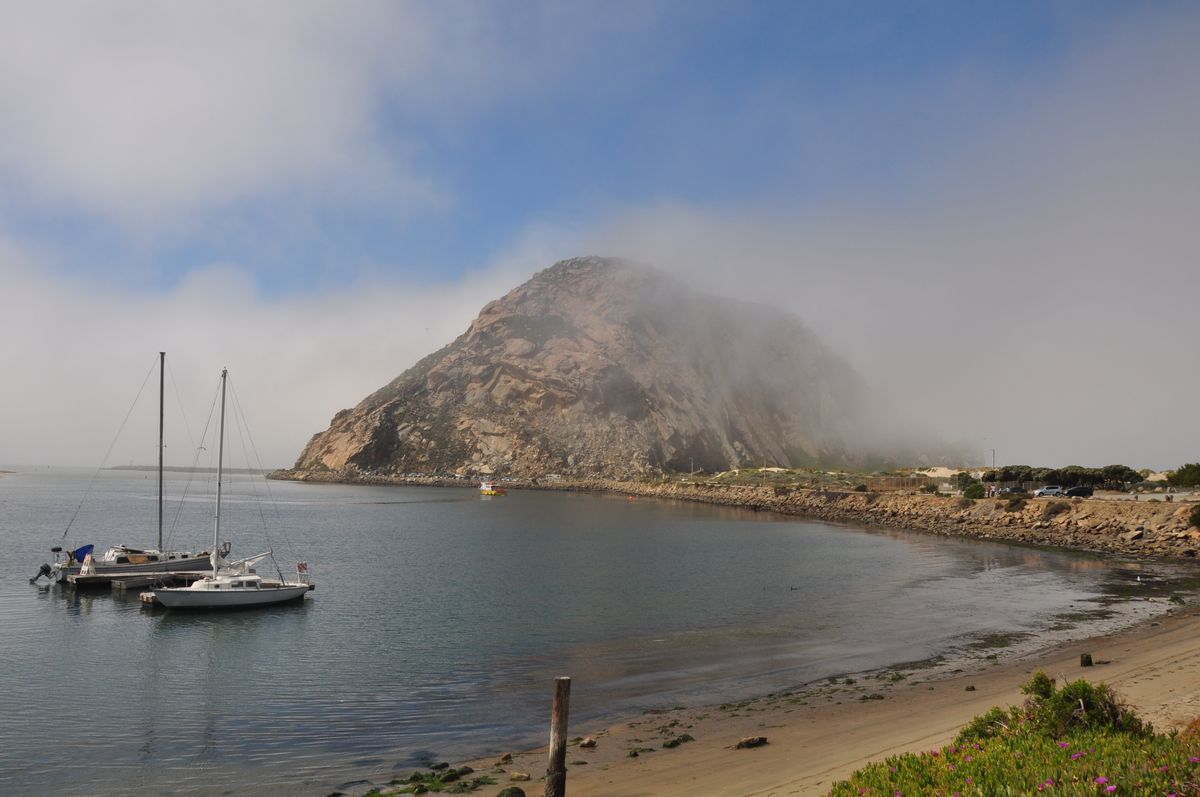
Morro Bay — this is the coast these pages are about.
Quick answer: Oak Tree Preservation in Morro Bay, CA — Most tree trouble on the Central Coast is identified before it is treated: a borer, a canker and a drought-stressed root system can look the same from the ground, and each has a different answer. Diagnosis is the first cut — host, sign and season — and the least-toxic control that fits comes after it.
- Typical timing: Monitoring from bud break; fungal problems follow the wet spring, borers the dry summer and the stressed tree.
- What it involves: Identifying the host and the organism, judging whether the tree can compartmentalise the damage, and removing what cannot be saved.
- The standard: UC IPM pest notes and the ISA standard for hazard assessment.
- Where we work: Cambria and the coastal oak, pine and cypress stands around it.
- Our own record: 503 pages and 291 stories published on this site. Counted from our own archive, not a stock table.
Field note. What we see on this coast is that the tree under fog is often the healthier one and the tree on a hot exposed edge is the one that gets hit — stress is the invitation, and the coast hides it well.
On the other hand, treatment is not always the kindest answer: for a hazard tree with internal decay, careful removal protects the neighbours, and replanting does more for the site than a season of injections.
The oaks around Morro Bay grow in a way that takes some unlearning if you have gardened anywhere else: they are not watered, not fed at the drip line, not tucked into a bed, and they do not want the ground under them improved.
A coast live oak that has stood on a hillside for two centuries is there because the conditions suited it, and the most common reason a mature oak starts declining is that somebody began caring for it.
The root zone is the whole story
An oak's root system spreads well beyond its canopy — often two to three times the height of the tree — and the roots that matter most for water and oxygen sit in the top foot of soil. That makes the ground out past the dripline the part of the property to protect, not the ground at the trunk. What damages it, in rough order of how often we see it:
- Summer water. The single most damaging thing anyone does to a coast live oak. These trees are adapted to a dry summer and are dormant in the heat; irrigation in July and August encourages root and crown rots that the tree has no defence against.
- Fill and grade changes. Even a modest depth of soil placed over the root zone smothers the roots that were relying on the surface, and raising the grade around a trunk buries the flare that tells you whether the tree is moving.
- Compaction. Parking, storage of materials, a new path — each removes the pore space roots need.
- Paving over the root zone, which combines compaction with a hard seal that changes how water enters the ground.
- Trenching for drainage, irrigation, a sewer or a foundation, cutting the roots the tree's stability depends on.
The pruning window
Where an oak does need pruning, when it is done matters as much as how. The risk being managed is the beetle and the wilt organisms that are drawn to fresh sap, and they are most active in the warm and wet months.
The established practice on this coast is to do the unavoidable structural pruning in the dormant season or in the cooler, drier window, and to leave the tree alone through the periods when a wound would be most attractive. Equally, an oak should not be pruned for the sake of it: removing live limbs from an oak that does not need to lose them is a cost to the tree with no benefit to anybody.
Protection is usually a rule as well as a principle
Native oaks are the species most likely to be protected by the town's own tree rules and, given how much of Morro Bay sits in the coastal zone, the tree most likely to attract a condition when a property is developed.
That is a real constraint on what can be done near one, and it works in the owner's favour as well as against: a heritage oak with a protective status is not the liability that an unprotected tree of the same size is.
Where to start
If you are planning work near an oak — a wall, a drive, a drainage line, a new planting bed — the conversation worth having before the digging is what the tree can tolerate, which is set out under risk assessment and construction tree protection.
If the tree is already declining, the cause is usually in the ground and is diagnosed under tree health diagnosis, with the repair under soil and root-zone remediation. Call (805) 927-4414 or use the contact page, and see our services for the wider picture.
Questions, quotes, or just exploring — we’re here to help.