

Written for the Transaction
Arborist Report for a Sale in Morro Bay, CA
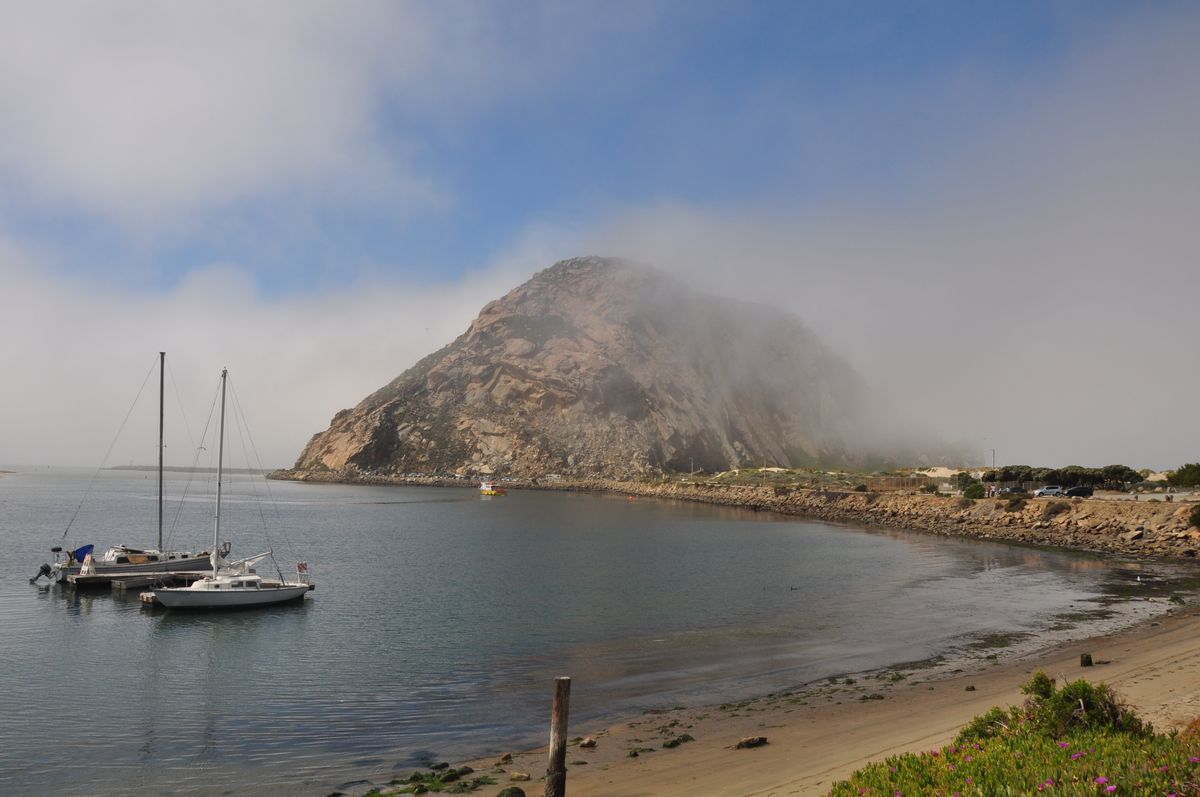
Morro Bay — this is the coast these pages are about.
Quick answer: Arborist Report for a Sale in Morro Bay, CA — The crew that answers the phone is the crew that climbs the tree: locally based, insured, and working to the industry standards rather than to whatever the last job allowed. That matters most where the work is delicate — over a roof, beside a wire, or on a slope where the wood has to be lowered rather than dropped.
- Credentials: ISA-certified arborists; licensed and insured for work over structures and near utilities.
- The standard: ANSI A300 for pruning and ANSI Z133 for safety on every job.
- Where we work: Cambria, San Simeon, Harmony, Cayucos, Morro Bay, Los Osos and the surrounding county.
- How we quote: A site visit and a written, line-by-line quote before any work is booked.
- Our own record: 503 pages and 291 stories published on this site. Counted from our own archive, not a stock table.
Field note. What we see is that the questions worth asking are the same on every property: who is climbing, what happens to the wood, and what the tree looks like in five years — so we answer those before we talk about dates.
On the other hand, credentials are a floor rather than a guarantee: what a tree gets is the judgment of the person in it, which is why we keep the same small crew on this coast.
A house in Morro Bay with a mature cypress overhanging the deck is a house that a buyer's inspector will mention, and once the inspector has mentioned it the transaction needs a document rather than a phone call.
An arborist report for a property sale is written for that audience — the buyer, the lender, the agent, sometimes a title company — and its job is to describe what is there and what it means, in language that survives being read by someone who was not standing in the garden.
What the report covers
- Scope and method — what was assessed, what instruments or techniques were used, what was not inspected, and the limits of the opinion. A report that does not state its limits invites being asked for something it never claimed.
- An inventory of the trees that matter — identification, approximate size, position relative to the structures, and condition, with a rating that a non-arborist can follow.
- Defects with consequences — the hollow base, the included fork, the limb over the bedroom, the tree whose roots are lifting the drive. Each one is described in terms of what it would do and how soon, not merely that it exists.
- Species and protection status — which trees are the town's protected species or fall under its own tree rules, and whether any of them sit inside coastal-zone review, because that shapes what the new owner may do.
- Recommendations with a timescale — what should be done, and whether it is urgent, a planned cycle, or monitoring.
What it is not
It is not a valuation, and it is not a guarantee. An appraisal puts a number on a tree's worth; a report for a sale describes condition and risk. A lender or a buyer sometimes wants both, and they are separate pieces of work — see tree appraisal and value. The other thing a report is not is an instruction to remove everything it mentions.
A report that recommends removal of every tree with a defect would be useless, because almost every mature coastal tree has something; the useful report ranks what matters and says plainly which trees are performing as assets.
The timing that actually helps
Reports written after an offer has been accepted tend to be written against a deadline, and a rushed assessment is worth less than one made in the first week.
Where a seller knows there is an issue — a big cypress, a tree that came down last winter, a retaining wall that has moved — addressing it before the property is listed removes a negotiation at the worst possible moment, and often with less work than the buyer's inspector would insist on afterwards. Where the situation has already become a dispute rather than a diligence item, the same document does the same job under more pressure.
Commission it early
Tell us the address, roughly how many trees matter, and whether the request came from a lender, an agent or a lawyer, since that changes the shape of what we write. Call (805) 927-4414 or use the contact page, and see our services for the assessment work behind it.
Questions, quotes, or just exploring — we’re here to help.