



One Bud, No Do-Overs
Palm Tree Trimming in Morro Bay, CA
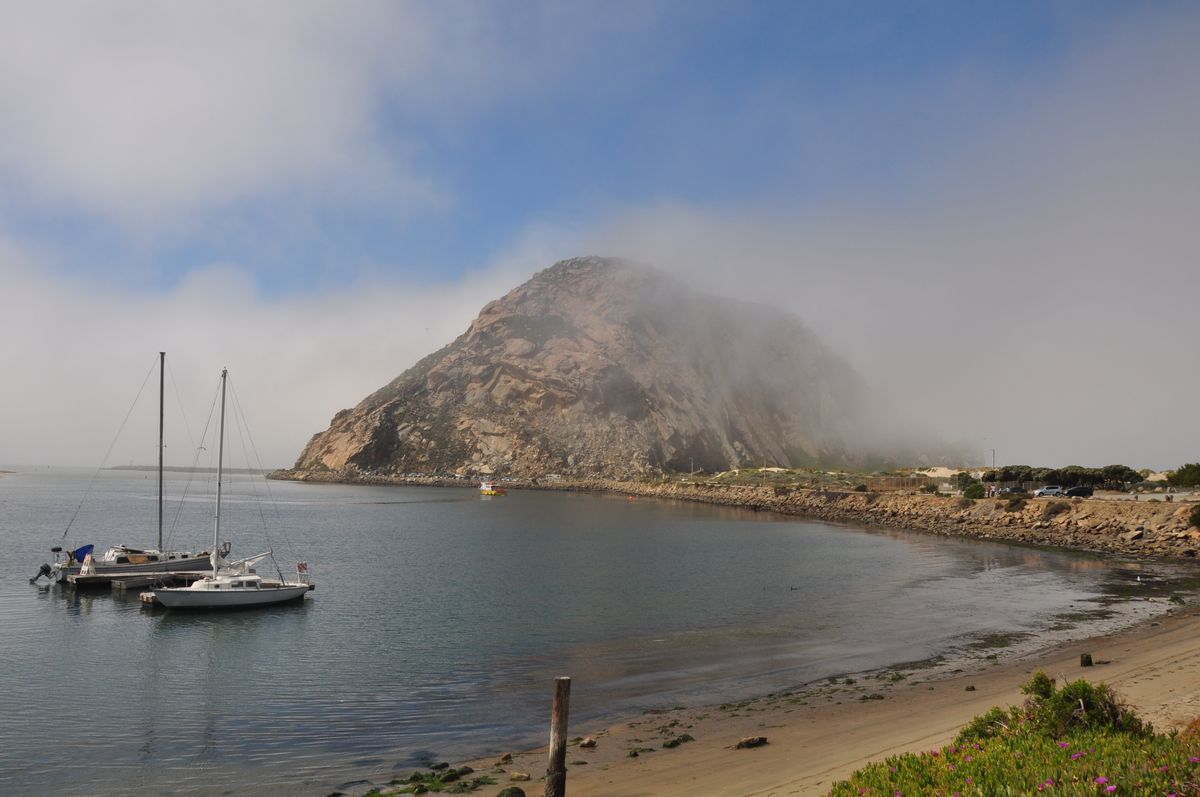
Morro Bay — this is the coast these pages are about.
Quick answer: Palm Tree Trimming in Morro Bay, CA — Pruning is a plan before it is a cut: deadwood and broken limbs first, then clearance from roofs, wires and paths, then the structure the tree will carry for the next decade. The right cut heals and the wrong one invites decay, which is why the order matters more than the number of cuts.
- Typical timing: Structural work in the dormant months, light clearance and deadwood any time the tree is not under stress.
- What it involves: Removing dead and crossing limbs, thinning to let light through, lifting low limbs for clearance, and never topping a tree.
- The standard: The ANSI A300 pruning standard as applied by ISA-certified arborists — including the three-cut method on every limb worth saving.
- Where we work: Cambria, San Simeon, Cayucos, Morro Bay, Los Osos and the towns between.
- Our own record: 503 pages and 291 stories published on this site. Counted from our own archive, not a stock table.
Field note. What we see on this coast is a pruning calendar that does not match the inland one: salt air, fog and wind mean a cut that would be minor in the valley can be the one that opens a crown to decay here, so we look at the species and the exposure before the season.
On the other hand, not every tree wants to be pruned: leaving a healthy canopy alone is a decision that pays, and a tree with plenty of space is often better served by doing nothing.
There are palms along the older streets in town that have been trimmed the same way for decades, and the way they have been trimmed is the problem. A palm is not a tree with a different shape — it is a plant with a completely different growth strategy, and the single fact that governs it is this: a palm grows from one bud at the top, and if that bud is killed the palm is finished.
There is no second stem waiting, no dormant buds lower down, no recovery. Everything sensible about palm trimming follows from that.
Why a palm cannot be pruned like a tree
Trees can lose limbs because they hold reserves in the trunk and can activate hidden buds along the stem. Palms store their reserves in the trunk but have no buds to activate along it, and the trunk is not wood — it is a column of old leaf bases and fibrous tissue that does not heal a wound the way a trunk does. A palm's crown therefore has to work with the leaves it holds.
Each green frond is producing food, and removing a healthy one is a permanent reduction in the plant's ability to feed itself.
What actually comes off
- Dead and dying fronds — brown, hanging or already dry, which are no longer contributing anything.
- Fruit and flower stalks — the heavy seed clusters that stain paving and bring rats, and on Canary Island date palms the tonne of fruit a mature specimen can carry.
- Dead boots and the untidy skirt — the old leaf bases that cling to the trunk, taken only where they are genuinely loose or where the owner needs the trunk clean.
- Nothing else. Green fronds that happen to be growing into a view or against a wall are managed by removing the frond, not by cutting into the crown.
The over-pruned look, and what it costs
The "pineapple" or "hurricane cut" style — where all but a handful of fronds at the top are stripped away — is the most common mistake made on palms and the one that looks most deliberate. It starves the palm, thins the trunk at the top to a point where it snaps in wind rather than bending, and makes the head more vulnerable to the cold.
A correctly trimmed palm carries as many healthy fronds as it grows; on a Mexican fan palm that is a full skirt down to the older leaves, and on a Canary Island date palm a broad crown that will never look tidy from a distance. The frond litter that comes with that is real, and it is the price of a palm that survives a Morro Bay winter.
Where palms fit in a coastal garden
Palms are a genuine nuisance in one specific way: the litter. Fronds, fruit and the fibres from the trunk collect against fences, block gutters and fill a neighbour's garden if the palm leans. Where a palm stands over a footpath along the Embarcadero or over a parked car, the trimming schedule is really a litter schedule and is worth setting by the season rather than by the state of the crown.
Where a palm is in a position to drop fruit on paving, getting the flower stalk off early saves a season of staining.
Have the crown assessed
Tell us the species if you know it, roughly how tall the palm is, and what has been done to it previously. Call (805) 927-4414 or use the contact page, and see our services for the rest of the work on this coast.
Questions, quotes, or just exploring — we’re here to help.