

What the Wind Finds
Deadwooding in Morro Bay, CA
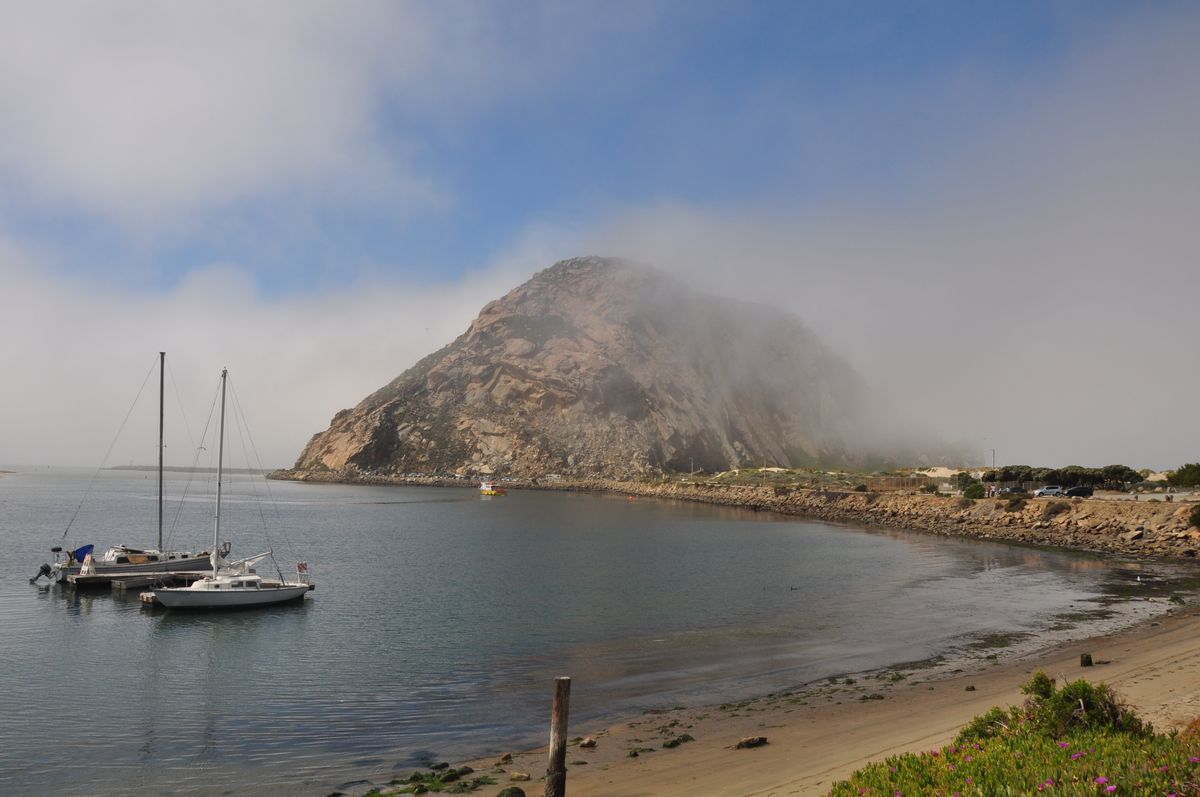
Morro Bay — this is the coast these pages are about.
Quick answer: Deadwooding in Morro Bay, CA — Pruning is a plan before it is a cut: deadwood and broken limbs first, then clearance from roofs, wires and paths, then the structure the tree will carry for the next decade. The right cut heals and the wrong one invites decay, which is why the order matters more than the number of cuts.
- Typical timing: Structural work in the dormant months, light clearance and deadwood any time the tree is not under stress.
- What it involves: Removing dead and crossing limbs, thinning to let light through, lifting low limbs for clearance, and never topping a tree.
- The standard: The ANSI A300 pruning standard as applied by ISA-certified arborists — including the three-cut method on every limb worth saving.
- Where we work: Cambria, San Simeon, Cayucos, Morro Bay, Los Osos and the towns between.
- Our own record: 503 pages and 291 stories published on this site. Counted from our own archive, not a stock table.
Field note. What we see on this coast is a pruning calendar that does not match the inland one: salt air, fog and wind mean a cut that would be minor in the valley can be the one that opens a crown to decay here, so we look at the species and the exposure before the season.
On the other hand, not every tree wants to be pruned: leaving a healthy canopy alone is a decision that pays, and a tree with plenty of space is often better served by doing nothing.
Walk Main Street after a gale and count the limbs lying in the gutter, and you will see the argument for deadwooding. Almost none of them came off a healthy tree. They were dead already — separated from the trunk by a wound, a canker or a bark beetle years ago and held in place by nothing more than habit until a gust finished the job.
Removing that material before the wind does is the cheapest real risk reduction available on a mature tree, and it is a smaller job than most people expect.
Recognising dead wood
The skill is in telling dead from alive, because the two look similar from the ground and the wrong judgement wastes a climb or leaves the hazard in place:
- Bark — dead limbs slough or split away from the wood, and on cypress and eucalyptus the bark comes off in strips rather than flakes.
- Fine branches — dead twigs are brittle and snap, while live ones bend. A limb with no live twigs at the tip in the growing season is the clearest single sign.
- Fungi and staining — a wound with a dark stain below it, or a shelf fungus on the limb, usually marks a section that has died.
- Sound — a dead limb sounds dull and hollow when struck, where a live one rings. This is a judgement for someone up the tree rather than from underneath.
Why dead wood fails unpredictably
Living wood flexes and distributes a load before it gives. Dead wood does not: it is already below its healthy strength, it has often lost its attachment at the point where it was wounded, and it behaves as a rigid lever rather than part of a structure.
That is why a dead limb of otherwise modest size can travel further than anyone expects when it lets go, and why the size of the hazard tells you less than the position of it. A dead limb over the footpath along the Embarcadero gets removed on a different timescale than one over an empty rear lot.
What a good deadwooding visit includes
We work through the crown and remove dead, dying, broken and hanging material, down to a sensible minimum diameter rather than every twig — over-cleaning a crown is its own small harm and costs more climbing time than it buys. Where a stub has been left from an old pruning cut, that comes out too, because a stub left in place becomes an entry point for decay that spreads into the parent limb.
Anything the tree has grown around — wire in a limb, a cable, a lighting fitting — gets identified rather than cut blind.
Where it pairs with an assessment
Deadwooding treats what you can see. If the reason for the dead material is not obvious — a dieback that has progressed over two seasons, a pattern of losses on one side — the more useful first step is a diagnosis, and where the limb is large enough that its failure would matter, a formal risk assessment puts the judgement in writing.
Where the defect is in the trunk rather than the canopy, deadwooding is not the fix, and hazard tree evaluation is where that conversation starts.
The regular visit
Most mature coastal trees are worth walking every two or three years, and more often where cypress canker or beetle damage is in the neighbourhood. If you have noticed limbs down after wind but the tree looks fine to you, it is worth having someone look at what is left in the crown. Call (805) 927-4414 or use the contact page, and see our services for the pruning programme.
Questions, quotes, or just exploring — we’re here to help.