


Ask Before You Cut
Permits & Tree Ordinances in Morro Bay, CA
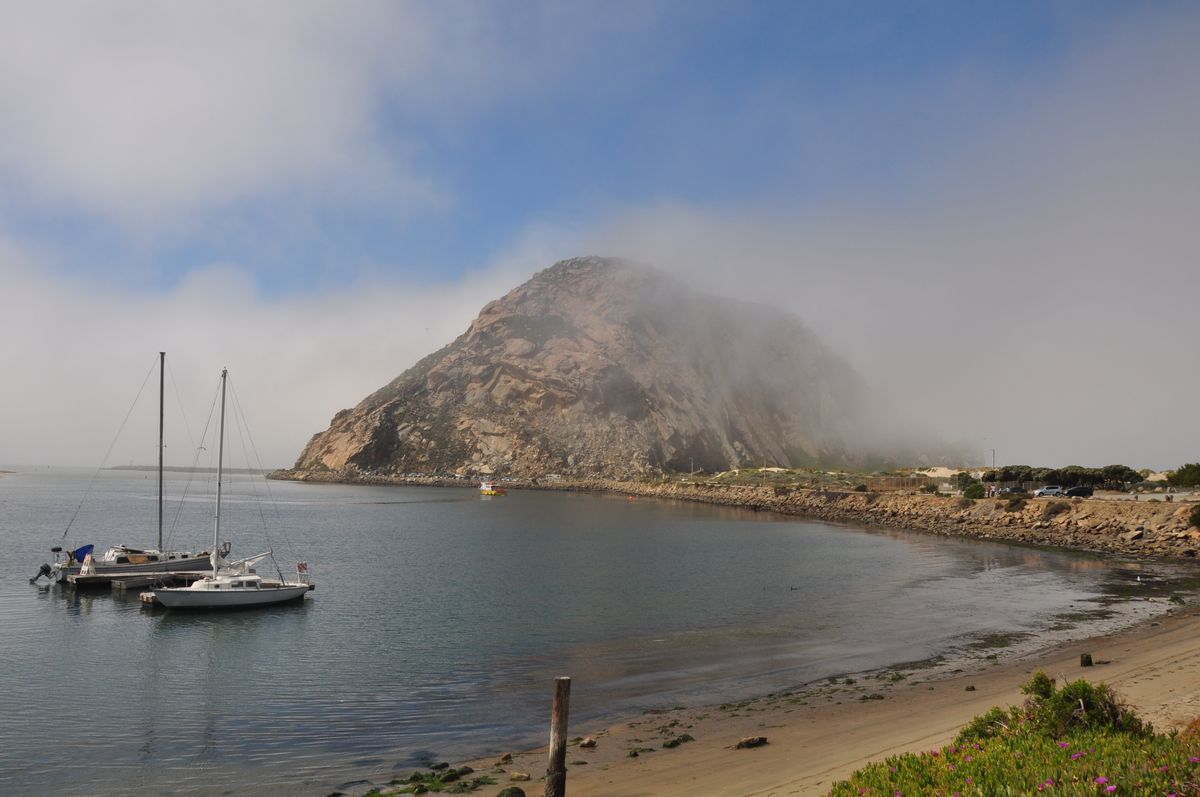
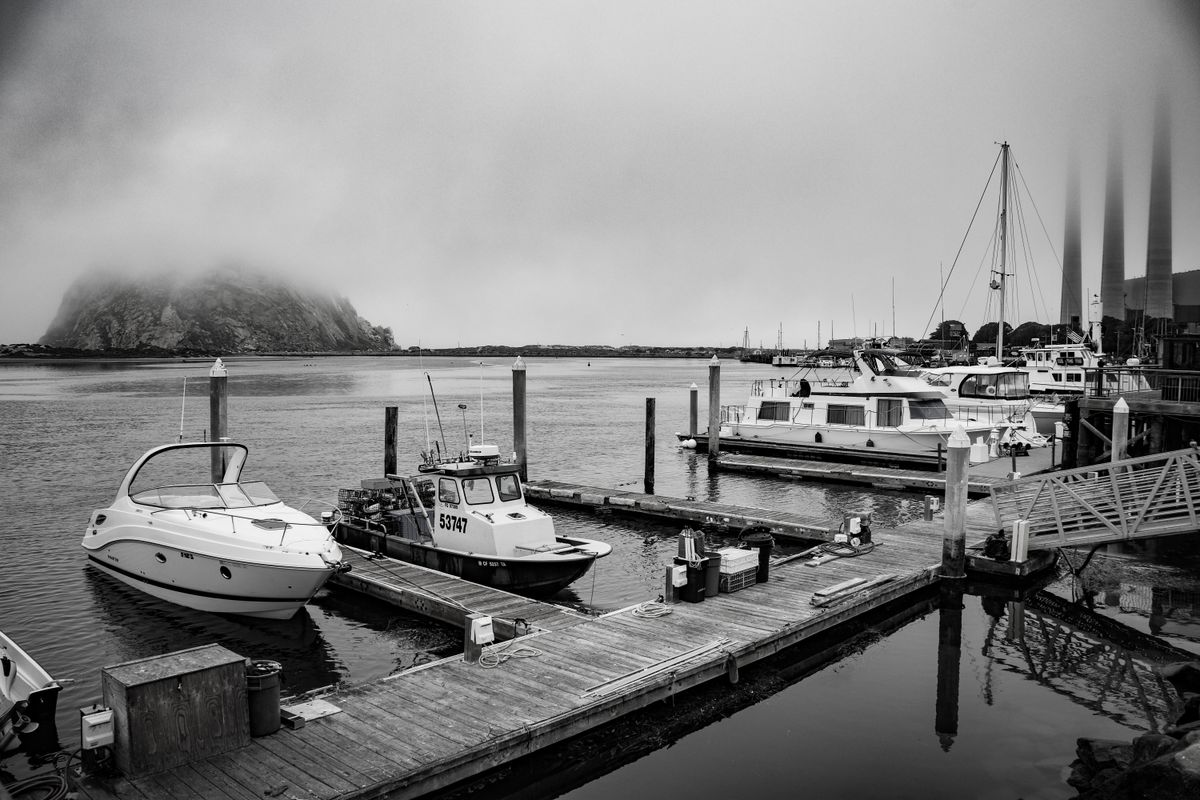
Morro Bay — this is the coast these pages are about.
Quick answer: Permits & Tree Ordinances in Morro Bay, CA — Removing a tree is planning before it is cutting: where the wood lands, what is under it, whether a rope or a crane takes the weight, and what is left when the crew drives away. A removal is finished when the drop zone is clear and the stump is dealt with, not when the trunk hits the ground.
- Typical timing: When the tree is a hazard, the schedule is immediate — storm damage, split leaders and leaners do not wait for good weather.
- What it involves: A written plan for the drop zone, rigging or crane work over structures, protecting driveways and roofs, and deciding the stump’s fate in advance.
- The standard: The ANSI Z133 safety standard for arboricultural operations, and ISA best practice for removals near structures.
- Where we work: Small town lots, coastal acreage and the narrow properties of the Cambria pine belt.
- Our own record: 503 pages and 291 stories published on this site. Counted from our own archive, not a stock table.
Field note. What we see here is that access decides the price more than height does: a pine over a fence on a slope with no driveway costs more to take down safely than a taller tree with a clear drop, and the plan is where that shows up.
On the other hand, removal is not the only safe answer — a tree with one failing limb, or a lean that can be corrected by reduction, is often better kept and managed than gone.
Morro Bay is one of the few towns on this stretch of coast where the tree rules and the coastal rules can both apply to the same tree, and the order you answer them in decides how long a job takes.
A homeowner who calls a crew first and asks about permission second can end up with a felled tree and an enforcement letter, which is a far more expensive position than the one that starts with a question about which rules actually govern the tree on the lot.
Which rules reach which tree
Three layers can apply, and often only one of them does:
- The city's own tree regulations — Morro Bay regulates removal and significant pruning of trees by size and by species, and heritage or otherwise protected trees carry the tightest conditions. Small ornamental trees and genuinely dead ones are usually the easiest to deal with.
- The coastal programme — much of the town sits inside the coastal zone, so work that is part of developing a property can be reviewed for its effect on the character of the area and on the resource. Clearing ground on a slope tends to attract an erosion or revegetation condition rather than a flat refusal.
- Private and quasi-public conditions — an easement over the back of a lot, a shared driveway agreement, or a deed restriction can require consent from someone who is not the city at all, and nothing at the counter will tell you that.
What is usually exempt
The categories that are most often allowed without a full application are the ones where the tree is already a problem: a tree that is dead, a tree that has failed or is failing, a genuine emergency where a limb is resting on a structure, and routine pruning that does not remove a significant proportion of the canopy. Exempt does not mean unrecorded, though.
Photographs of the defect, taken before the work, are what turn an exemption into something you can defend six months later.
The arborist report that a permit usually wants
Where an application is required, the document that does the heavy lifting is a written report: identification of the tree, its size and condition, the defect or the reason for removal, an assessment of what alternatives exist, and a recommendation. An opinion that says "it is dangerous" without naming the defect is not much use to a planner.
The reports we write name what was observed, how it was assessed, and what the reasoning rests on — see arborist reports for how that reads in a transaction, and risk assessment for the safety version of the same document.
The timeline, realistically
An exemption moves at the speed of the crew. A permit moves at the speed of a counter that has other work in front of it, and a coastal review moves at the speed of a hearing calendar, which is why the people who suffer least from this process are the ones who started it months before they wanted the tree gone. A removal that will be reviewed is almost never a job for the week before Christmas.
(805) 927-4414How we work with it
We will tell you plainly which layer we think governs your tree, what we would need to write, and whether the honest advice is to apply, to prune instead, or to leave it alone. Where the answer is that a tree worth keeping can be kept with a structural job rather than a removal, that is a better outcome for the property, and we will say so before anyone discusses paperwork.
Ask before you cut
Call (805) 927-4414 or use the contact page with the species, an approximate trunk size and what you want to do, and see our services for the work itself.
Questions, quotes, or just exploring — we’re here to help.