


What Stays Is Marked First
Land & Lot Clearing in Morro Bay, CA
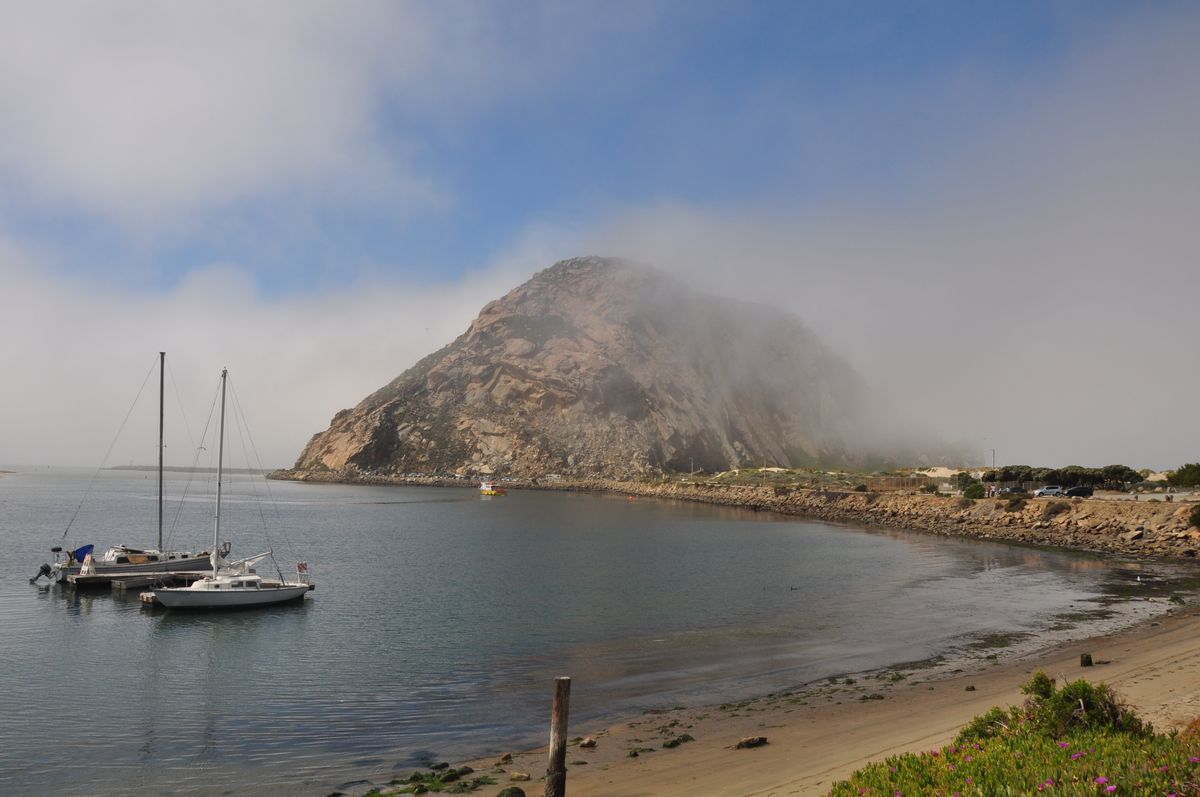
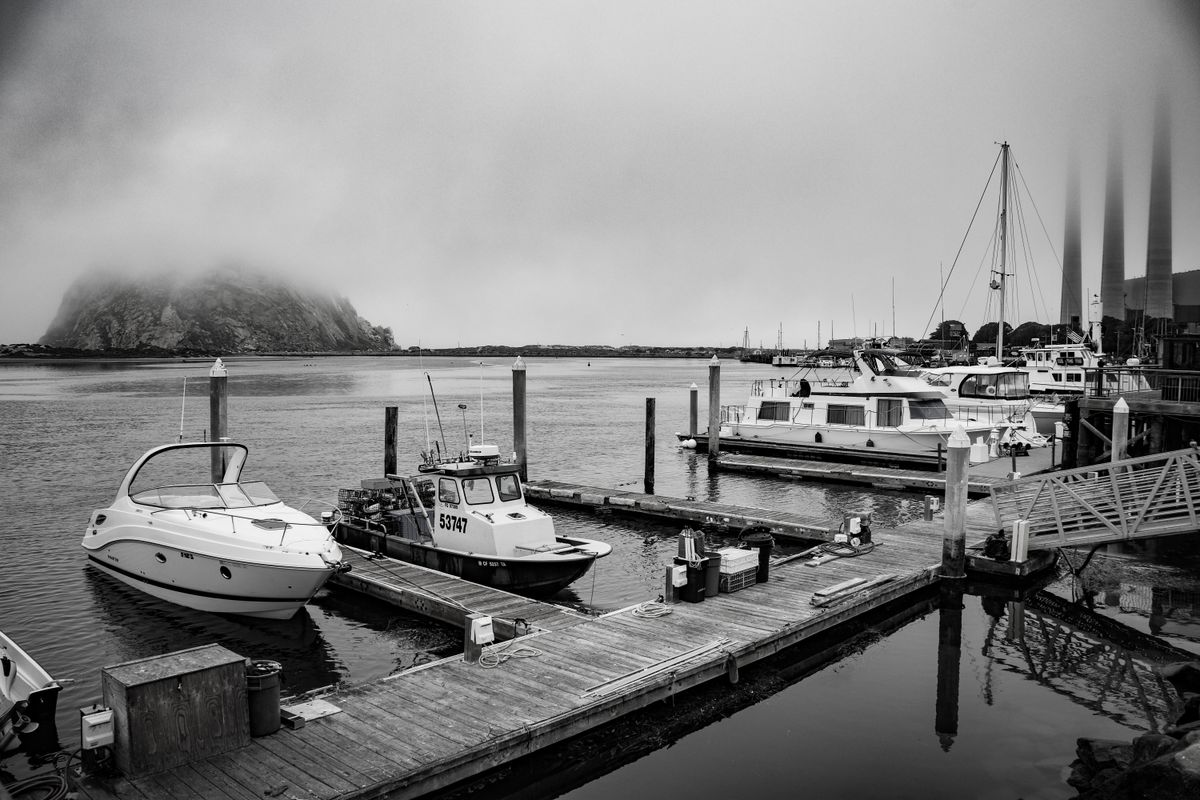
Morro Bay — this is the coast these pages are about.
Quick answer: Land & Lot Clearing in Morro Bay, CA — Trees on this coast live with fog, salt, wind and thin soil, and the work that keeps them healthy is decided by those conditions rather than by a calendar written inland. Structure, clearance and the root zone are what a tree here needs looked at, and small work done early is what keeps a tree out of the emergency list.
- What it involves: Structural pruning, clearance from structures and wires, deadwood removal, root-zone care and hazard assessment.
- Typical timing: Structural work in the dormant months; deadwood, clearance and hazard work whenever the tree needs it.
- The standard: The ISA standards for pruning and tree risk assessment, applied by ISA-certified arborists.
- Where we work: Cambria, San Simeon, Harmony, Cayucos, Morro Bay, Los Osos and the Cambria pine belt.
- Our own record: 503 pages and 291 stories published on this site. Counted from our own archive, not a stock table.
Field note. What we see on this coast is that the trees people worry about are usually not the ones in trouble: the pine with a clean crown and a lean that predates the house is often sounder than the tidy tree that has been quietly drowning in its own root zone.
On the other hand, there is no schedule that suits every tree — the same species on two sides of one street can need opposite care, which is why we look before we recommend.
Most of the small vacant lots left inside the Morro Bay city grid were cleared at some point in the last century and have been quietly regrowing ever since.
That is what a lot clearing job here usually looks like — not a field, but a few thousand square feet of myoporum, eucalyptus volunteers and old cypress that have grown up thick enough that you cannot see the back boundary from the street. The work is not simply cutting everything down. It is deciding, on the ground, what stays.
What stays is decided before anything is cut
Clearing a lot without a retention plan produces a bare square of ground that will wash in the first winter rain and take years to regrow.
Before the saw starts we walk the boundaries and mark the trees worth keeping: anything mature and sound, anything that screens the neighbour, anything native that belongs on the site, and anything the city's own rules and the coastal-zone review will ask you to preserve. What gets marked first is what the crew cannot touch by accident.
The regulatory side, briefly
Morro Bay has its own tree rules, and because almost the whole town sits inside the coastal zone, clearing that reads as development can draw review under the local coastal programme as well.
The practical consequences are simple even when the paperwork is not: a heritage or protected tree needs a reason and usually an arborist's report, a cleared area on a slope can attract an erosion-control condition, and work that is genuinely about safety or a dead tree is treated differently from work that is about a view or a building pad. We ask what the plan for the lot is, because the answer changes the permit path.
Slash: the half of the job that is easiest to get wrong
- Volume adds up fast. A dense quarter-acre of brush and small trees produces far more material than it looks like it should, and on a lot with no rear access every piece leaves by the same path it came in on.
- Chipping on site is almost always the cheapest way to reduce the pile, and clean chips can stay on the parcel as ground cover rather than leaving as a load.
- Removal happens at the street end, which on the narrow downtown blocks means timing it around parked cars and the school run.
- Erosion is the follow-on job. Ground that has just lost its cover needs mulch or planting before the rains, or a slope lot will lose the soil it was cleared to expose.
A building pad is a different brief
Where the lot is being cleared for a house, the retention conversation moves to what the footprint needs, what the driveway crosses, and how much root zone the remaining trees can lose before they become the problem. A tree kept too close to the excavation is a liability for the next twenty years, and one kept with its rooting area intact is an asset.
That is a conversation worth having with the builder on site rather than over the phone, and it is the reason a clearing plan for a build is drawn up before the first cut rather than corrected after it.
Walk the lot with us
Tell us the size, how it is accessed, and what you want the ground for, and photographs of the boundaries save a trip. Call (805) 927-4414 or use the contact page, and see our services for the clearing, chipping and erosion work that usually follows.
Questions, quotes, or just exploring — we’re here to help.