

Brittle Wood Changes the Job
Dead & Dying Tree Removal in Morro Bay, CA
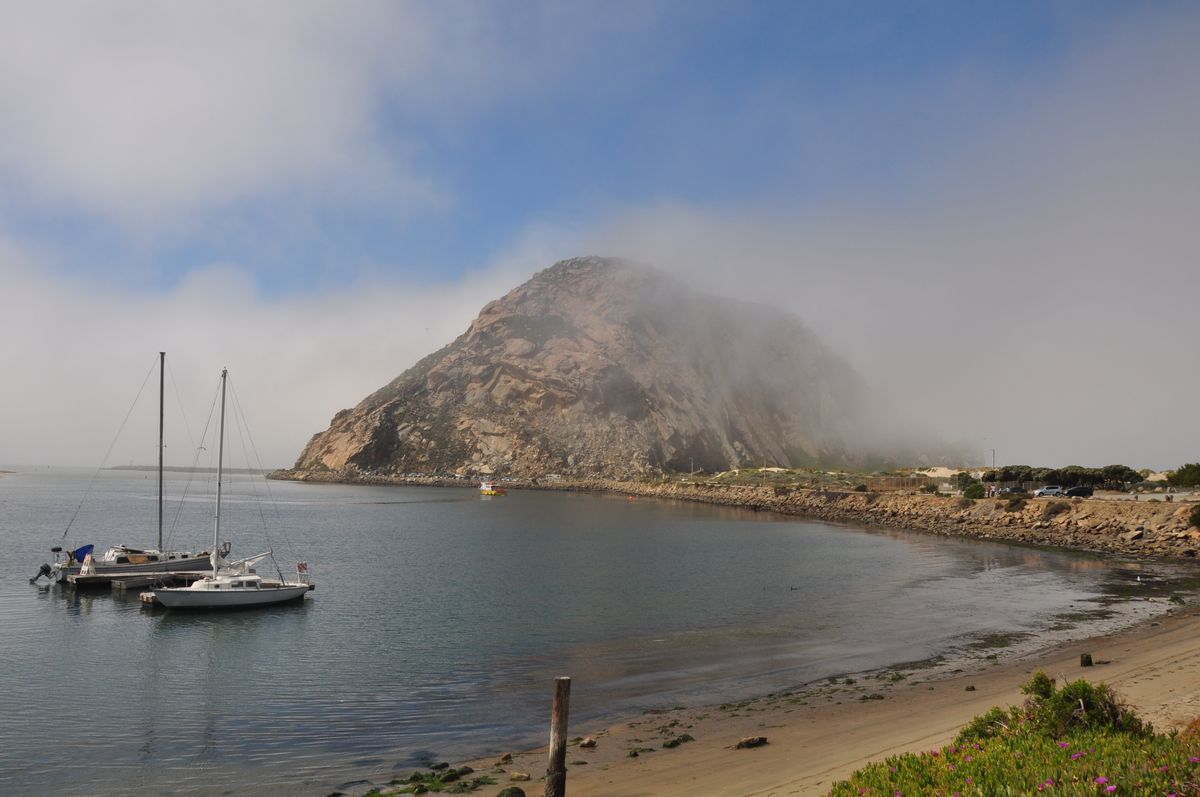
Morro Bay — this is the coast these pages are about.
Quick answer: Dead & Dying Tree Removal in Morro Bay, CA — Removing a tree is planning before it is cutting: where the wood lands, what is under it, whether a rope or a crane takes the weight, and what is left when the crew drives away. A removal is finished when the drop zone is clear and the stump is dealt with, not when the trunk hits the ground.
- Typical timing: When the tree is a hazard, the schedule is immediate — storm damage, split leaders and leaners do not wait for good weather.
- What it involves: A written plan for the drop zone, rigging or crane work over structures, protecting driveways and roofs, and deciding the stump’s fate in advance.
- The standard: The ANSI Z133 safety standard for arboricultural operations, and ISA best practice for removals near structures.
- Where we work: Small town lots, coastal acreage and the narrow properties of the Cambria pine belt.
- Our own record: 503 pages and 291 stories published on this site. Counted from our own archive, not a stock table.
Field note. What we see here is that access decides the price more than height does: a pine over a fence on a slope with no driveway costs more to take down safely than a taller tree with a clear drop, and the plan is where that shows up.
On the other hand, removal is not the only safe answer — a tree with one failing limb, or a lean that can be corrected by reduction, is often better kept and managed than gone.
A dead pine behind a Quintana Road building is not a smaller version of a live pine removal — it is a different job with different physics. Dead wood is brittle wood: it shatters instead of bending, it will not hold a climbing spike the way living bark does, and it gives no warning before it lets go.
That is why dead tree removal in Morro Bay gets planned like a rigging job rather than a knockdown, even when the tree is standing in the open at the back of a lot.
Dead, dying, or just dormant
The first question is whether the tree is actually dead, because the three states call for three different answers:
- Dormant — a deciduous tree in winter, bare and healthy underneath. Scratch a twig: green and damp means alive, and there is nothing to remove.
- Dying — a thinning crown, a dieback that has moved from the tips inward, a tree pushing weak growth from the trunk instead of the branches. Dying trees are the ones worth a diagnosis, because the cause decides whether anything can be done.
- Dead — no green under the bark on a fresh scrape, bark sloughing, and the tell-tale brittleness that changes the whole method.
What is killing trees on this coast
Morro Bay's trees carry a particular set of pressures. Cypress along the marine terrace struggles with cypress canker, which shows as bleeding patches and dieback that runs down a branch until the wood above it dies. Pines stressed by drought and by root damage lose their resistance to bark beetles, and a beetle-killed pine goes from green to grey in a single season.
Salt spray, wind-broken limbs and the occasional winter that floods a low lot all leave their own damage. None of that is guesswork on a walk-around, and it matters here because a dead cypress over the Embarcadero footpath is a different deadline from a dead pine at the back of a vacant lot.
Why dead trees are harder to take down
A live tree is a structure that distributes load. A dead one is a collection of pieces that are still standing in the same shape, and any of them can separate without notice. Rigging points have to be chosen on wood that may be rotten inside, so a climber either ties off higher and lighter or steps aside entirely and lets a crane or a controlled drop do the work.
Tops come out in smaller sections. The chipper gets less usable wood and more shattered rubbish, which changes the haul-off arithmetic as well.
A dead tree is planned work, not an emergency
The reassuring half of this: because a dead tree is usually standing in a place nobody has to walk under, it can be scheduled rather than called in at midnight. That means a written scope, a proper rigging plan, and a price agreed before anyone touches it.
What it is not is a job to sit on for a year while the wood gets softer and more of the tree's own weight comes down on the defect that killed it. Wind is the thing that converts a standing dead tree into a fallen one.
Where to start
If you are not sure whether the tree is dead, say so and send a photo of the bark and the crown — that is usually enough to tell. Where it is dead, the next move is a scope that names the method. Call (805) 927-4414 or reach us through the contact page, and see our services for the rest of the removal and pruning work on this coast.
Questions, quotes, or just exploring — we’re here to help.