

When a Hillside Starts to Move
Slope & Bluff Stabilization in Cayucos, CA
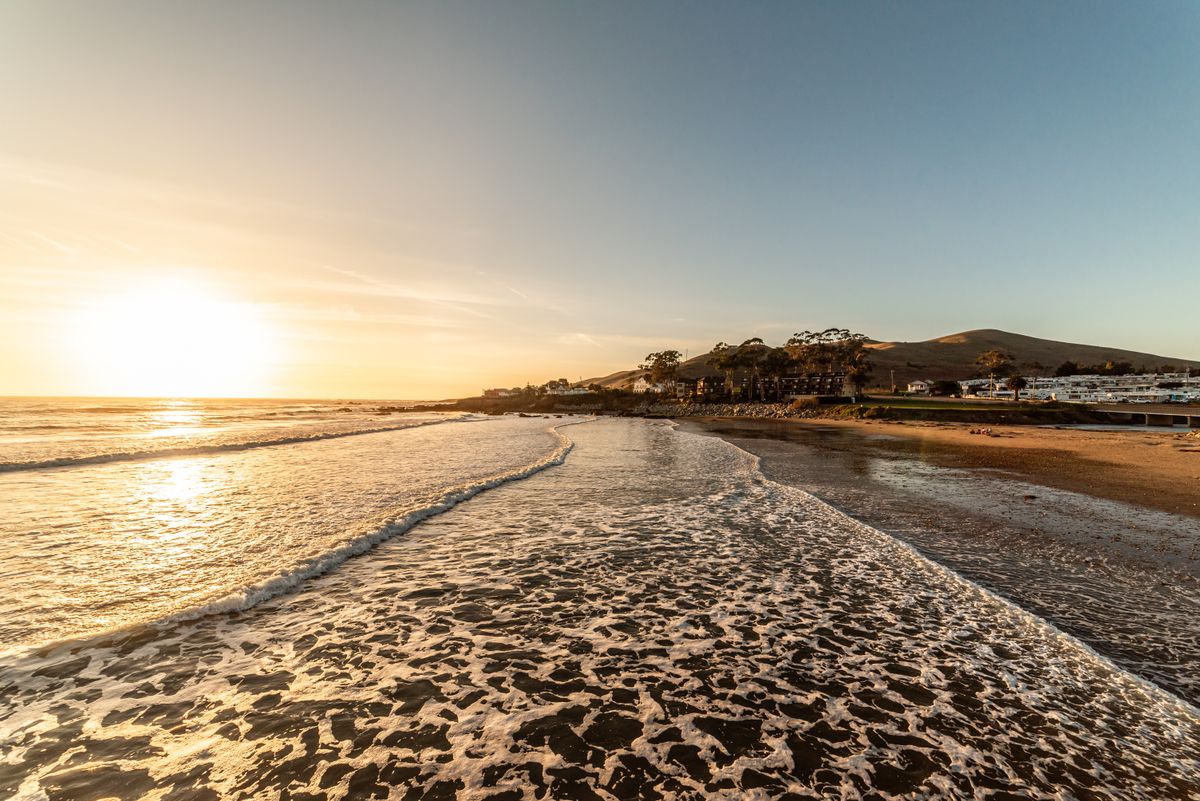
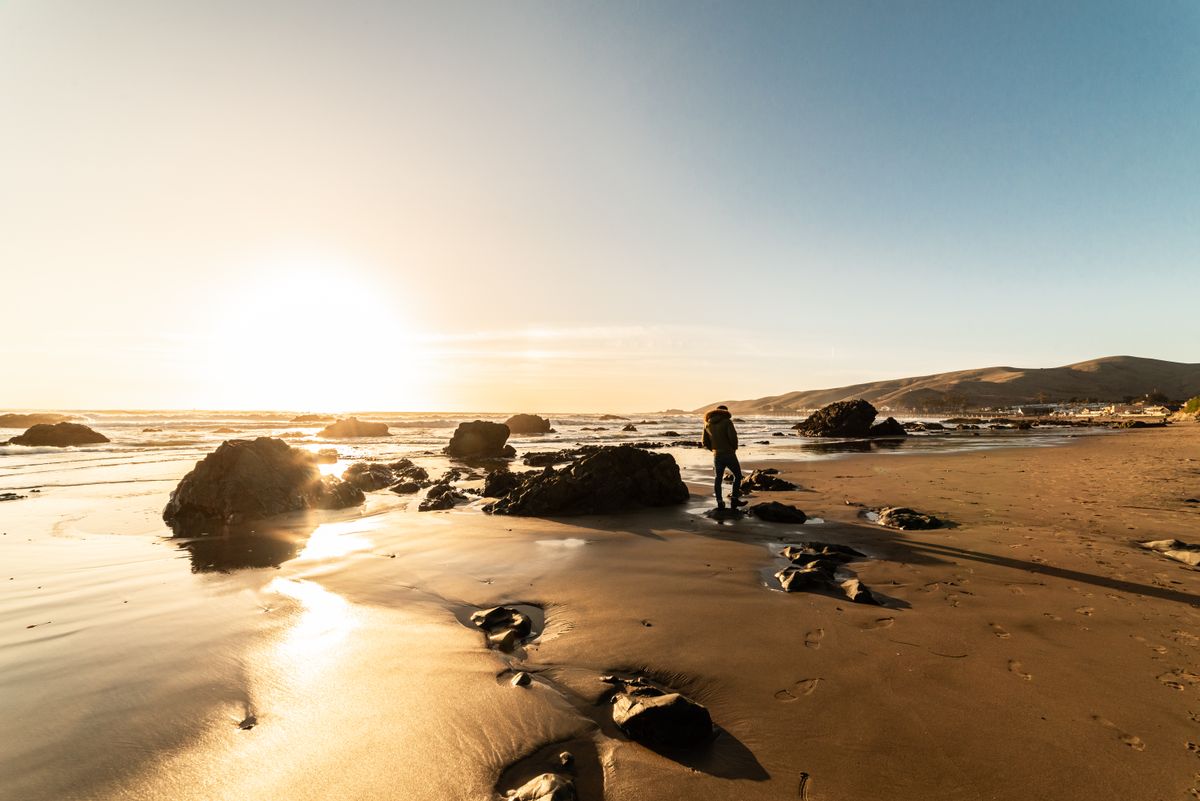
Cayucos — this is the coast these pages are about.
Quick answer: Slope & Bluff Stabilization in Cayucos, CA — Trees on this coast live with fog, salt, wind and thin soil, and the work that keeps them healthy is decided by those conditions rather than by a calendar written inland. Structure, clearance and the root zone are what a tree here needs looked at, and small work done early is what keeps a tree out of the emergency list.
- What it involves: Structural pruning, clearance from structures and wires, deadwood removal, root-zone care and hazard assessment.
- Typical timing: Structural work in the dormant months; deadwood, clearance and hazard work whenever the tree needs it.
- The standard: The ISA standards for pruning and tree risk assessment, applied by ISA-certified arborists.
- Where we work: Cambria, San Simeon, Harmony, Cayucos, Morro Bay, Los Osos and the Cambria pine belt.
- Our own record: 503 pages and 291 stories published on this site. Counted from our own archive, not a stock table.
Field note. What we see on this coast is that the trees people worry about are usually not the ones in trouble: the pine with a clean crown and a lean that predates the house is often sounder than the tidy tree that has been quietly drowning in its own root zone.
On the other hand, there is no schedule that suits every tree — the same species on two sides of one street can need opposite care, which is why we look before we recommend.
A Terrace That Has Always Been Moving
The hillside streets above Cayucos sit on a marine terrace that has been shedding slowly toward the ocean since long before anyone built on it. Slope and bluff stabilization is not the work of stopping that process. It is the work of understanding which parts of it are surface water, which parts are mass movement, and how to slow the second one without making the first one worse.
That distinction is the one that matters most, and it is where most of the money is either well spent or wasted. A slope losing a few inches of soil a year to runoff is an erosion problem. A slope where a block of ground is sliding on a plane below the surface is a stability problem, and the two want different answers on the same hillside.
Drainage Comes First
Water is what makes almost every slope failure in this town worse, and it is the cheapest thing to change. Roof runoff piped to the toe instead of onto the slope, downspouts led to a proper outfall, an irrigation system turned down or zoned off, and a curtain drain intercepting the groundwater that arrives from uphill of your line — none of that is glamorous and each of them buys more stability per dollar than anything planted or built.
What Vegetation Does, and What It Does Not
Roots reinforce the top metre or two of soil, and removing everything from a slope makes it measurably less stable in the short term. But a heavy stand of trees on a saturated slope also adds weight at the top and levered wind load, and a big canopy can move a slope that was holding.
The practical rule is to keep the deep-rooted native cover, keep the crowns from growing into sails, and not to think of planting as a substitute for drainage. On the steepest faces, the honest ground cover is the low, tough stuff — not another cypress.
When the Answer Is Structural
Where a slide is already moving, or where a structure is within its reach, planting is not the tool. Crib walls, soil nails, tiebacks and properly drained retaining structures are engineered work with a design and a permit, and we say so rather than sell a planting scheme.
A geotechnical engineer belongs on those sites, and the useful thing a tree contractor brings is the ability to describe what the slope is doing in plain terms and to work safely above and below it.
County and Coastal Constraints
Cayucos is unincorporated San Luis Obispo County inside the coastal zone, so bluff-top work usually needs more than a building permit: coastal development review, and on some parcels a geotechnical report before anything is approved. Native vegetation removal on a bluff face attracts scrutiny, and doing the work in the wrong sequence can turn a small repair into a stop-work notice.
Where It Fits
Surface soil loss on a gentler slope is a different job — see erosion control. Moving water off a lot and shaping it so it goes where it is meant to is drainage and grading. And where ground has been cleared and needs to be held again, that is revegetation and native planting.
Have the Slope Walked First
Photographs from the top and the bottom of the slope, plus what you know about how long it has looked like this, are the best first step. Call (805) 927-4414 or use the contact page, and see our services for the rest of the ground work around Cayucos.
Questions, quotes, or just exploring — we’re here to help.