



Watering So It Reaches the Roots
Deep Watering in Cayucos, CA
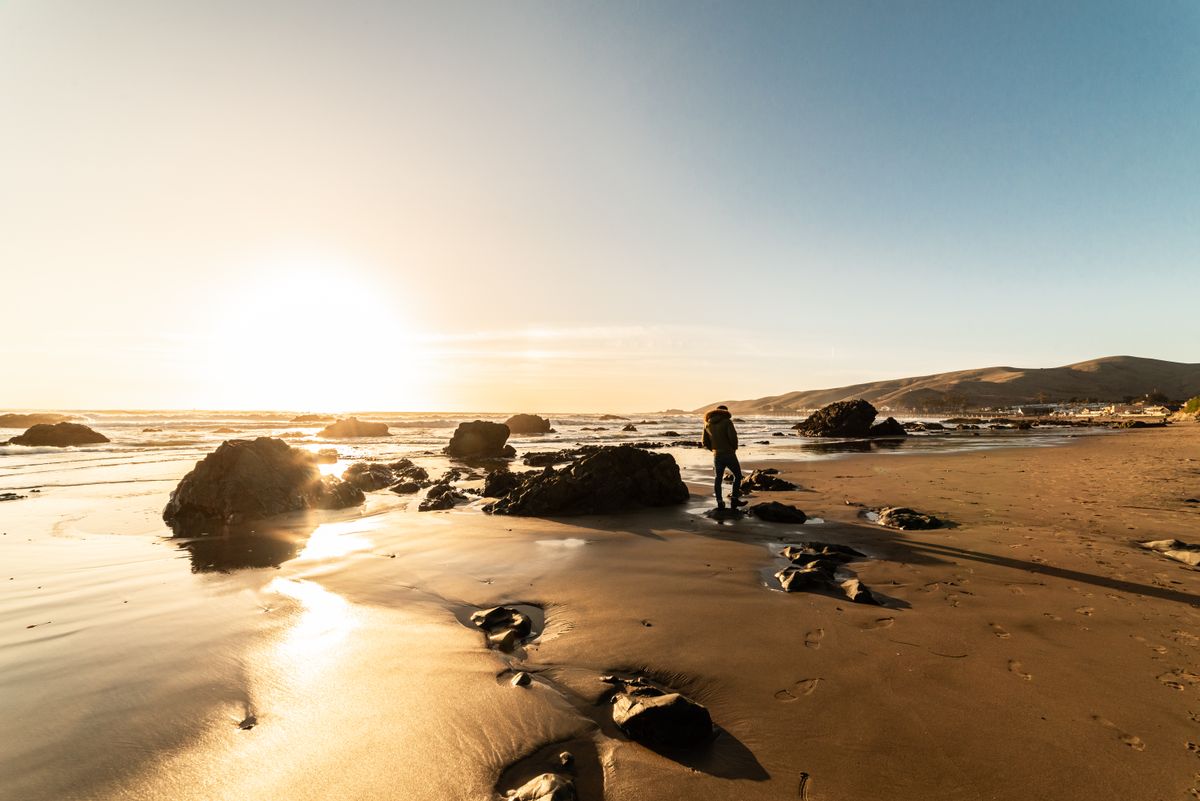
Cayucos — this is the coast these pages are about.
Quick answer: Deep Watering in Cayucos, CA — A stump is the part of the problem that is still in the ground: it holds the roots that lift pavement, keeps a species alive if it re-sprouts, and occupies the spot where the next planting goes. Grinding removes it below the surface so the ground can be worked again, and the roots that matter are the ones under the driveway rather than the ones beside the trunk.
- Typical timing: Any month the ground is workable; rain-softened soil grinds fastest and leaves the cleanest spoil.
- What it involves: Assessing re-sprout risk by species, grinding below grade, raking the spoil back, and handling surface roots separately from the stump.
- The standard: ISA guidance on root cutting and the ANSI A300 pruning standard where roots and crown are worked together.
- Where we work: Cambria, San Simeon, Harmony, Cayucos, Morro Bay, Los Osos and the Cambria pine belt.
- Our own record: 503 pages and 291 stories published on this site. Counted from our own archive, not a stock table.
Field note. On this coast the stump is rarely the end of the job: Monterey pine and eucalyptus both keep enough energy in the roots to push new growth, so we are looking at the species before we quote the grind rather than after.
On the other hand, a stump left in a garden bed is sometimes the better answer — it decays, feeds the soil and costs nothing — so grinding is a choice, not a rule.
A Soil Question Before It Is a Water Question
Watering a tree in Cayucos starts with the ground, not the hose. Half the town sits on beach sand that drains before the second bucket is poured, and the other half climbs hillside clay that holds everything it is given and lets the roots drown in it. Deep watering and drought care mean reading which of those two a tree is standing in, and then delivering water where the roots can actually use it.
The default mistake is the same on both soils: a short sprinkle at the trunk. The absorbing roots are out at the drip line and beyond, in the top foot of soil, and a hose run for a minute every evening wets the surface, encourages shallow roots, and leaves the subsoil dry. Watering slowly, deeply and further out is the whole technique.
Cycle and Soak
On sand, water moves down faster than a hose can spread sideways, so the method is a burst, a pause, another burst — cycle and soak — until the moisture reaches twelve to eighteen inches down.
On the clay slopes above the creek, the same pause matters for the opposite reason: the ground accepts water quickly and then stops, and everything after that runs off downhill. A slow soak with time to infiltrate is the difference between watering a tree and watering the street.
How Much, in Inches Rather Than Minutes
The useful measure is depth, not duration. A screwdriver or a piece of rebar pushed into the soil tells you within a day whether the water got where it was needed.
For an established mature tree in this climate, a long soak every two to four weeks through the dry season does more than a daily sprinkle, and a young tree in its first three summers wants less water more often. Mulch over the root zone halves the frequency by keeping the surface from baking.
What Drought Stress Looks Like Here
It rarely looks like a dead tree. It looks like a thinner crown, an early colour change on the inner foliage, a heavy seed crop, dieback at the tips, and sunscald or bark cracking on the south-west side of a thin-barked species. On the coast the symptom is often delayed by a year, which is why the trees that showed it in the summer were stressed by the previous winter's shortfall.
The Native Oak Exception
There is one rule worth repeating on this coast: a coast live oak that has grown up on rainfall alone must not be given summer water. The oaks here are adapted to a dry summer and wet winter, and irrigation during the warm months is associated with root disease and decline rather than growth. Water the garden with a drip line, keep the emitters out of the oak's root zone, and let the winter do the rest.
Where It Fits
Watering is one part of the ground work. Where the soil under a tree is compacted, filled or paved, no schedule will help until that is addressed — see soil and root-zone remediation. Where a tree is declining and the cause is unclear, a tree health diagnosis in Cayucos settles whether it is water at all.
Arrange a Watering Assessment
Tell us the tree, the soil you can see, and whether anything irrigates on a schedule already. Call (805) 927-4414 or use the contact page, and see our services for the wider picture.
Questions, quotes, or just exploring — we’re here to help.