

The File the Adjuster Reads
Insurance Claim Documentation in Cayucos, CA
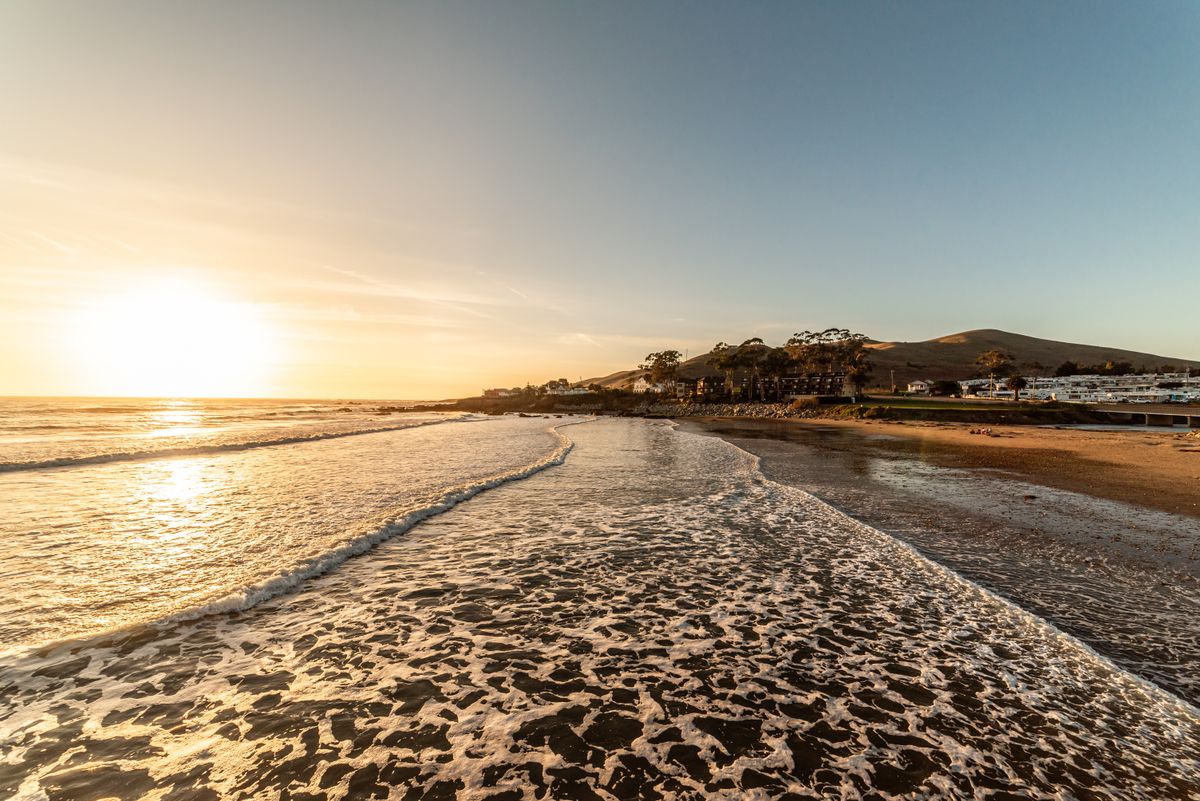
Cayucos — this is the coast these pages are about.
Quick answer: Insurance Claim Documentation in Cayucos, CA — The crew that answers the phone is the crew that climbs the tree: locally based, insured, and working to the industry standards rather than to whatever the last job allowed. That matters most where the work is delicate — over a roof, beside a wire, or on a slope where the wood has to be lowered rather than dropped.
- Credentials: ISA-certified arborists; licensed and insured for work over structures and near utilities.
- The standard: ANSI A300 for pruning and ANSI Z133 for safety on every job.
- Where we work: Cambria, San Simeon, Harmony, Cayucos, Morro Bay, Los Osos and the surrounding county.
- How we quote: A site visit and a written, line-by-line quote before any work is booked.
- Our own record: 503 pages and 291 stories published on this site. Counted from our own archive, not a stock table.
Field note. What we see is that the questions worth asking are the same on every property: who is climbing, what happens to the wood, and what the tree looks like in five years — so we answer those before we talk about dates.
On the other hand, credentials are a floor rather than a guarantee: what a tree gets is the judgment of the person in it, which is why we keep the same small crew on this coast.
The Question Behind Every Cayucos Claim
An insurance file about a tree in Cayucos almost never turns on what fell. It turns on whether anyone should have seen it coming, and the carrier decides that from paper, not from the stump. Our job on a claim is to put the tree's condition and the cause of the failure into a form an adjuster can act on, and to be straight about the parts nobody can prove.
Cayucos makes that harder than it looks. The lots between Highway 1 and the sand are narrow, the eucalyptus windbreaks planted along the old property lines in the 1950s have been shedding limbs for decades, and a second-home owner who is here six weeks a year genuinely may not have seen the crack that opened over a wet winter. That is a real factor in the file, and it belongs in writing rather than in a phone call.
What We Photograph and Measure
Evidence, in the order it matters:
- The failure itself — the break face or the uprooted plate, photographed square-on and at a known scale, because "the tree came down" and "the stem failed at an old wound with decay across a third of the cross-section" are different claims.
- The stump and the soil — root plate, soil moisture at failure, whether the ground had been saturated, and whether the tree stood on dune sand or on hillside clay.
- The target — what the tree stood over and how often a person or a vehicle was there. A limb onto the Pacific Avenue shoulder is not the same event as one onto the green belt behind the lot.
- The tree's history — old topping cuts, past pruning, a cable or a brace, and any earlier report that already named the defect.
Cause, and the Line We Cannot Cross
We can say what failed and why in species-and-defect terms, and we can rate whether the condition was visible from ground a reasonable person would stand on. What we cannot do is opine on coverage: whether a policy pays, whether a tree was "maintained," or whether a neighbour is liable. Those are legal questions with an arborist's facts attached, and an arborist who answers them costs the file its credibility.
The distinction a carrier looks for is between a storm that exceeded what any sound tree would take and a tree that had already told everyone. Both are legitimate outcomes. The evidence decides which one this is, and a report that describes the defect plainly is worth more than one that argues.
Where the Work Fits
Documentation is the paperwork half of a storm event. The physical half is the cleanup on the parcel — see storm damage tree cleanup for how the site is made safe and what is salvaged.
If the tree is still standing and the question is whether it is a hazard, that is a tree risk assessment, which is the same discipline applied before anything falls. Where the night itself needed a crew, an emergency tree service call in Cayucos came first.
Start the File Early
Photographs are cheapest the day of the event and least reliable a month later. Call (805) 927-4414 or use the contact page to arrange a look, and start at our services for how documentation sits with the rest of the tree work on this coast.
Questions, quotes, or just exploring — we’re here to help.