


When the Only Place Left to Stand Is the Sky
Crane-Assisted Removal in Cayucos, CA
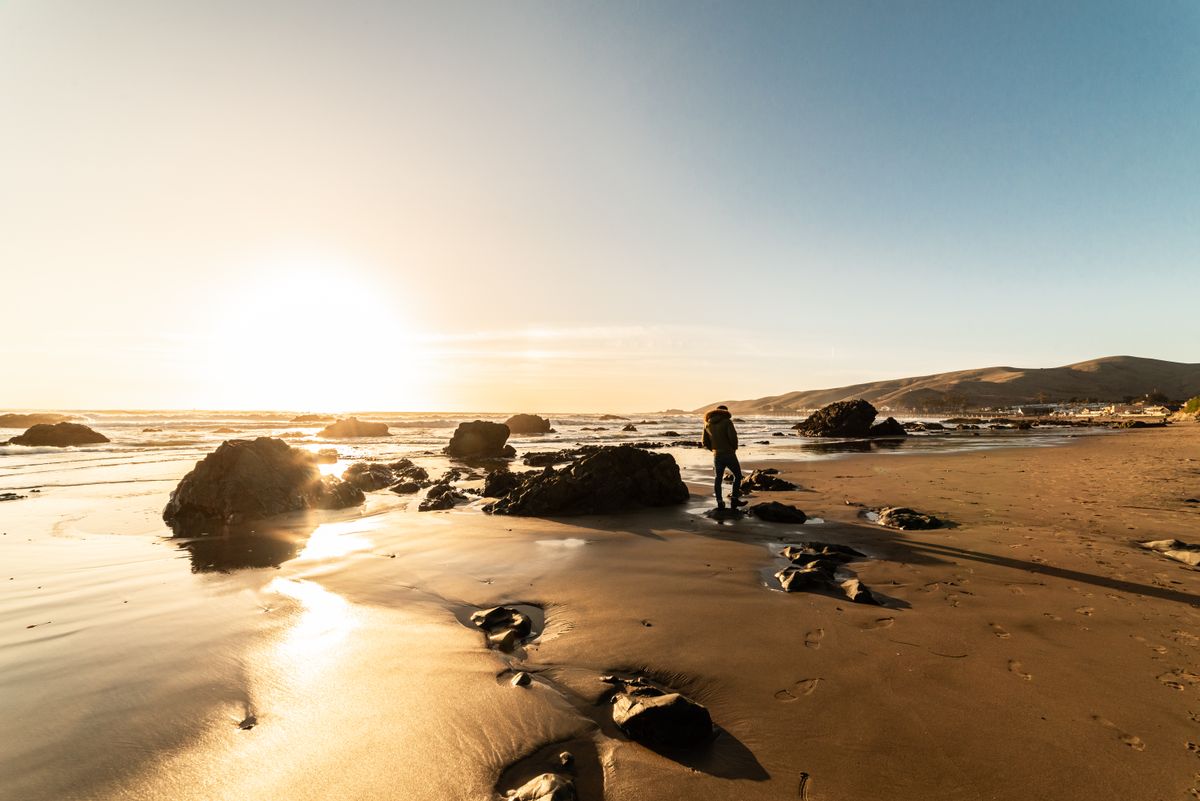
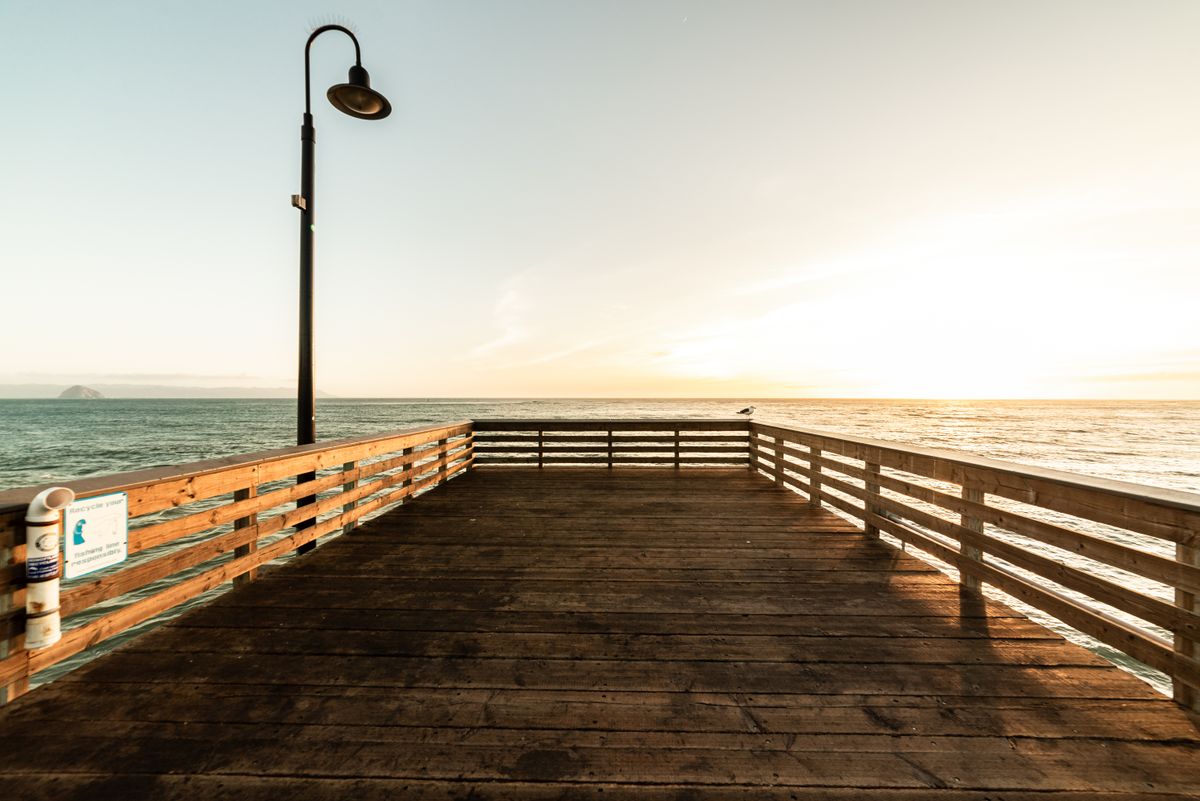
Cayucos — this is the coast these pages are about.
Quick answer: Crane-Assisted Removal in Cayucos, CA — Removing a tree is planning before it is cutting: where the wood lands, what is under it, whether a rope or a crane takes the weight, and what is left when the crew drives away. A removal is finished when the drop zone is clear and the stump is dealt with, not when the trunk hits the ground.
- Typical timing: When the tree is a hazard, the schedule is immediate — storm damage, split leaders and leaners do not wait for good weather.
- What it involves: A written plan for the drop zone, rigging or crane work over structures, protecting driveways and roofs, and deciding the stump’s fate in advance.
- The standard: The ANSI Z133 safety standard for arboricultural operations, and ISA best practice for removals near structures.
- Where we work: Small town lots, coastal acreage and the narrow properties of the Cambria pine belt.
- Our own record: 503 pages and 291 stories published on this site. Counted from our own archive, not a stock table.
Field note. What we see here is that access decides the price more than height does: a pine over a fence on a slope with no driveway costs more to take down safely than a taller tree with a clear drop, and the plan is where that shows up.
On the other hand, removal is not the only safe answer — a tree with one failing limb, or a lean that can be corrected by reduction, is often better kept and managed than gone.
A crane-assisted tree removal in Cayucos solves a specific problem: a tree that is too tall, too rotten or too crowded to climb, sitting in a space with no drop zone. Take a eucalyptus on a hillside street above the pier with a garage below it and a rental deck to the side, and the arithmetic stops working for any rope-and-ladder method. A crane does not make the tree smaller — it moves the work off the tree entirely.
The point is not that a crane is better. It is that a crane changes what is possible, and on some lots it is the only method that leaves the neighbour's greenhouse alone.
Fewer, Larger Pieces
Climbing means many small cuts, each one a lowering operation with a rope and a person holding it. A crane means the climber makes a few cuts and the machine does the carrying, so a fifty-foot stem can come off in two or three pieces instead of fifteen. Everything that follows is arithmetic: fewer cuts aloft means less time in the tree, and less time in the tree on a decaying eucalyptus is the whole safety argument.
Crane picks also land where you want them. The operator sets the pieces down on the driveway or the turf, not on the roof, and the ground crew never has to catch anything.
What a Crane Setup Needs on a Beach Lot
- Firm, level bearing. This is the constraint that decides most jobs here. Cayucos beach blocks sit on dune sand, and a loaded outrigger pad on loose sand is a hazard of its own. We spread the load on steel or timber cribbing, and on the worst ground a larger, heavier crane is the answer rather than the smaller one.
- Setback and radius. The machine has to stand far enough back that the boom can reach the tree without going over a service drop. That distance is what sets the crane's size.
- Overhead obstructions. PG&E's service drops along the older streets are the usual limit. Where the boom path crosses a conductor, the work changes shape.
- Street and traffic. Ocean Avenue and the narrow side streets cannot be closed on a whim. Where a crane blocks the county road we work with the county on timing, and a summer weekend is not the time to ask.
The Honest Comparison
A crane usually costs more per hour than a climbing crew and less per hour than a second crew day, and on a big removal the two often land close together. Where the tree is sound and the drop zone is generous, rigging is cheaper and there is no reason to bring in a machine.
Where the tree is defective, or the targets are dense, or the access runs through a gate eleven feet wide, the crane is not a luxury — it is the reason the job can be done at all.
The other honest note: a crane does not remove the need for an arborist. The picks still have to be planned, weighed and rigged so nothing swings into a wall on the way up. The machine moves weight; the judgement is still ours.
Getting a Straight Answer
Photographs of the tree, the access and the street are usually enough to tell you whether a crane is warranted — and we will tell you plainly when it is not. Call (805) 927-4414 or use the contact page, and see our services for the rest of the work we do on this coast.
Questions, quotes, or just exploring — we’re here to help.