


Fixing the Ground a Pine Is Standing In
Soil & Root-Zone Remediation in Cambria, CA
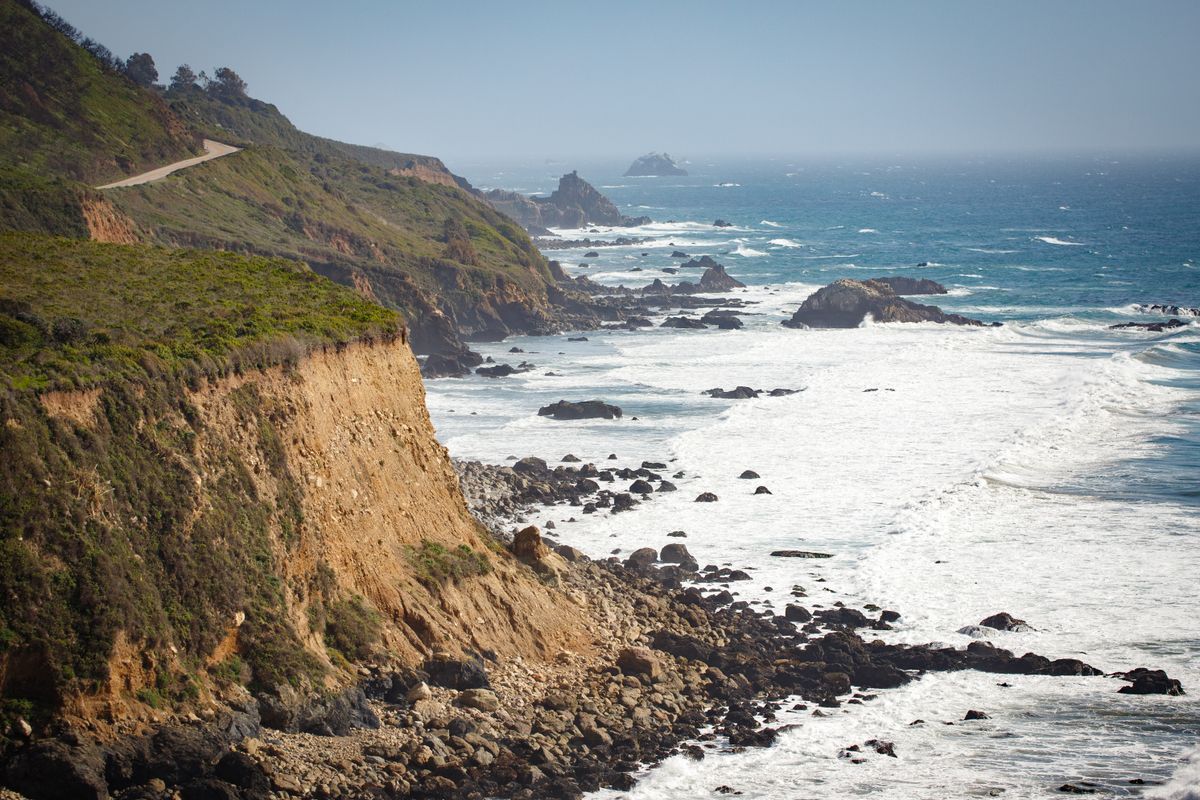
Cambria — this is the coast these pages are about.
Quick answer: Soil & Root-Zone Remediation in Cambria, CA — A stump is the part of the problem that is still in the ground: it holds the roots that lift pavement, keeps a species alive if it re-sprouts, and occupies the spot where the next planting goes. Grinding removes it below the surface so the ground can be worked again, and the roots that matter are the ones under the driveway rather than the ones beside the trunk.
- Typical timing: Any month the ground is workable; rain-softened soil grinds fastest and leaves the cleanest spoil.
- What it involves: Assessing re-sprout risk by species, grinding below grade, raking the spoil back, and handling surface roots separately from the stump.
- The standard: ISA guidance on root cutting and the ANSI A300 pruning standard where roots and crown are worked together.
- Where we work: Cambria, San Simeon, Harmony, Cayucos, Morro Bay, Los Osos and the Cambria pine belt.
- Our own record: 503 pages and 291 stories published on this site. Counted from our own archive, not a stock table.
Field note. On this coast the stump is rarely the end of the job: Monterey pine and eucalyptus both keep enough energy in the roots to push new growth, so we are looking at the species before we quote the grind rather than after.
On the other hand, a stump left in a garden bed is sometimes the better answer — it decays, feeds the soil and costs nothing — so grinding is a choice, not a rule.
Most Damage to a Cambria Tree Is Done by a Machine Hired for Something Else
Soil and root-zone remediation on this coast begins with an admission: the sick tree is usually a symptom of the ground around it, and the ground was changed by people.
A driveway widened in 1995, a patio poured over the feeder roots, a load of fill brought in to level the yard, a grade raised to stop water pooling at the foundation — each of those decisions was reasonable, and each one slowly suffocated a pine that is only now thinning at the top.
The work is rehabilitating that soil, and it is slow, unglamorous and genuinely effective when the decline has not yet gone too far.
Recognising a Damaged Root Zone
Compaction, fill and paving all leave signatures. The soil under a compacted strip is dense enough to resist a probe and holds almost no air. A buried root flare shows as a trunk that enters the ground like a post rather than widening into buttresses. Grade changes show as a tree standing in a shallow bowl.
Where the damage is recent and the crown still full, the prognosis is good; where the crown has been thinning for years, we are buying time rather than reversing it, and we say so before starting.
What Remediation Actually Involves
The first tool is air, not steel. Compressed air excavation is used to loosen compacted soil and to lift excess fill away from a buried flare without cutting the roots that a shovel would. From there:
- Radial trenching. Narrow trenches run outward from the tree into the root zone, backfilled with compost and the original soil to reconnect air and water pathways.
- Decompaction. Where machinery cannot be kept off, the soil is fractured by air or by hand and then protected from being driven over again.
- Mulch over the whole zone. A wide, shallow, coarse chip layer is the single best thing you can put on a Cambria pine's root zone, and it is also the cheapest.
- Grade correction. Removing excess fill from a flare is often the whole remedy, done carefully and in stages rather than all at once.
The Limits, Stated Plainly
A tree stores its reserves and spends them slowly, so recovery — where it happens — takes seasons, not weeks. A mature Monterey pine with a root plate already compromised by compaction and a wet winter is not a good candidate; the honest recommendation there is often a risk assessment in Cambria and a decision about removal rather than an expensive remediation of a losing tree.
And on a lot where the cause is still present, remediation without removing the cause — the parked truck, the downspout, the fill — is money spent twice.
Where the Zone Ends and Other Work Begins
Root-zone soil rarely fails alone. On a sloped parcel it is tied to how water moves, which is why the erosion control and drainage work here is often specified alongside it. The Cambria hub lists the related services, and our services gives the wider picture.
Have the Ground Looked At
Tell us what changed and when — the paving, the fill, the regrade — and we can usually tell you within a visit whether the root zone is worth rehabilitating. Call (805) 927-4414 or use the contact page.
Questions, quotes, or just exploring — we’re here to help.