


Building Around the Trees You Want to Keep
Construction Tree Protection in Cambria, CA
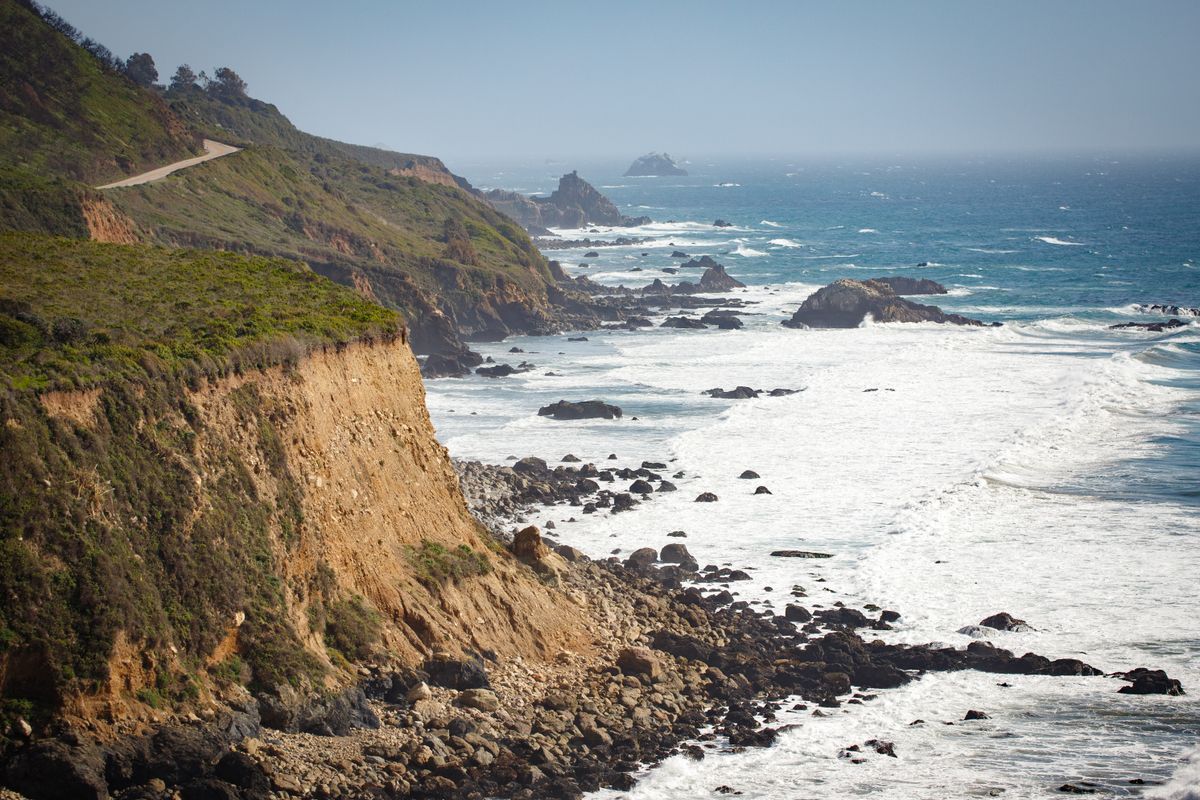
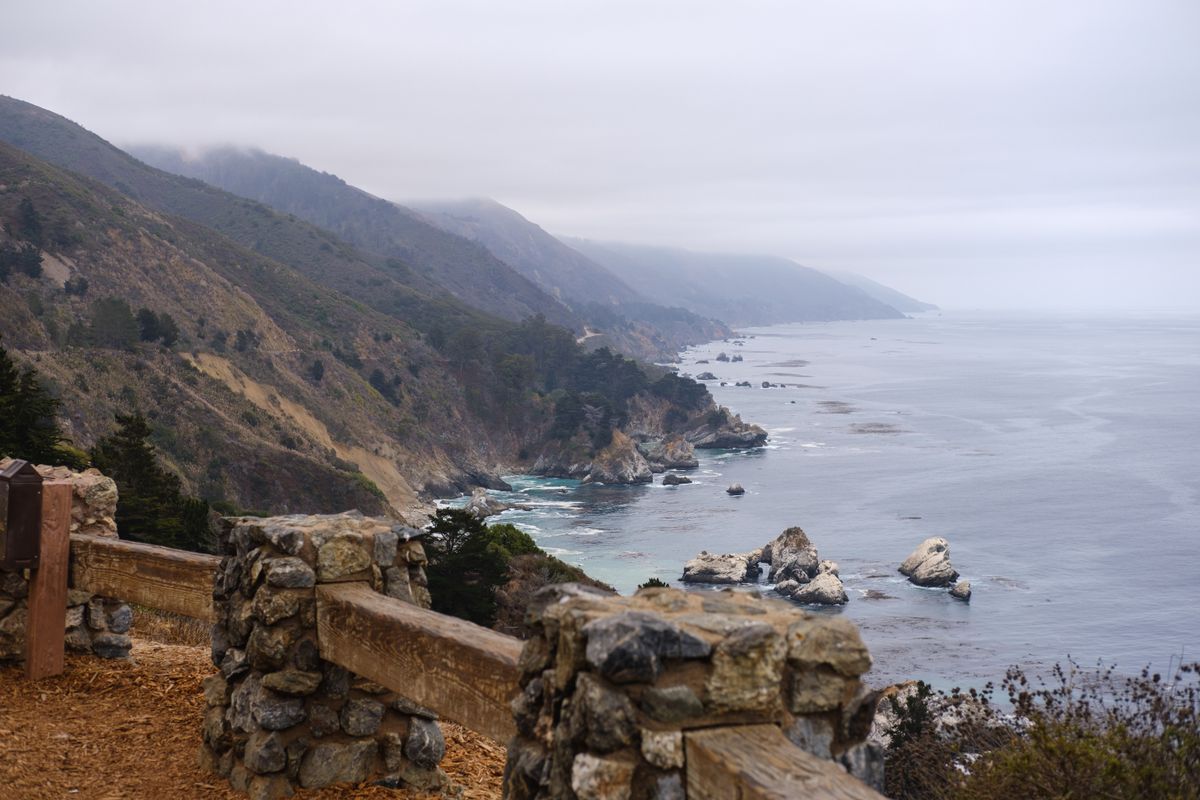
Cambria — this is the coast these pages are about.
Quick answer: Construction Tree Protection in Cambria, CA — Trees on this coast live with fog, salt, wind and thin soil, and the work that keeps them healthy is decided by those conditions rather than by a calendar written inland. Structure, clearance and the root zone are what a tree here needs looked at, and small work done early is what keeps a tree out of the emergency list.
- What it involves: Structural pruning, clearance from structures and wires, deadwood removal, root-zone care and hazard assessment.
- Typical timing: Structural work in the dormant months; deadwood, clearance and hazard work whenever the tree needs it.
- The standard: The ISA standards for pruning and tree risk assessment, applied by ISA-certified arborists.
- Where we work: Cambria, San Simeon, Harmony, Cayucos, Morro Bay, Los Osos and the Cambria pine belt.
- Our own record: 503 pages and 291 stories published on this site. Counted from our own archive, not a stock table.
Field note. What we see on this coast is that the trees people worry about are usually not the ones in trouble: the pine with a clean crown and a lean that predates the house is often sounder than the tidy tree that has been quietly drowning in its own root zone.
On the other hand, there is no schedule that suits every tree — the same species on two sides of one street can need opposite care, which is why we look before we recommend.
The Tree That Dies Two Years After the Remodel
A renovation on a Cambria pine lot usually takes a tree the owners never intended to touch, and it does it slowly enough that nobody connects the two events. Construction tree protection is the discipline of deciding, before the first machine arrives, which trees are part of the design and drawing the line they cannot cross. On narrow lots between Marine Terrace and the bluff, that line is often only a few feet from the new footing.
We are brought in either before the plans are final, when a fence can still be placed sensibly, or after the damage, when the question is whether a declining pine can be saved at all.
Why Roots Are the Real Casualty
Compaction, fill and grade change do more damage than any saw on a job site. Cambria's soils are thin and sandy over a marine terrace, and a pine's feeder roots run far beyond the canopy — often to two or three times the branch spread. A single loaded truck parked over that ground compresses the pore space roots need for air and water, and a foot of fill over the same area suffocates them outright.
Neither shows up in a photograph of the finished house. Both show up two to five years later as a crown that thins from the inside out.
Drawing the Protected Zone
The zone is not the trunk. It is the critical root zone, an area drawn around the tree at a radius tied to its trunk diameter, and it becomes a physical object on the site: a fence, staked and signed, that nothing crosses — not a spoil pile, not a pallet of tile, not a concrete washout bucket.
On a tight Cambria parcel the honest conversation is often that the zone and the building envelope overlap, and the options are to shift the footprint, to specify pier-and-beam foundations that limit excavation, or to accept the loss of the tree and remove it deliberately rather than slowly.
Where Builders Get It Wrong
- Trenching. Utility runs and irrigation are cut straight through root zones because the trench line is the shortest path. A route that swings around the tree usually costs a few metres of pipe.
- Grade changes at the trunk. Raising soil around a pine to meet a new patio level buries the root flare, which is the single fastest way to kill an otherwise healthy tree.
- Washout and chemicals. Concrete slurry raises pH sharply and is toxic to roots; a plastic-lined pit far from any tree is the whole fix.
- No one watching. A protection plan with no arborist on site during excavation is a drawing, not a plan.
Monitoring Is Part of the Deliverable
The plan is only as good as the visits. We mark the trees before demolition, walk the site at the stages where damage actually happens — excavation, foundation, utilities, drainage, final grade — and photograph what we find. If a tree is being harmed, that is worth knowing while it is still reversible, and it is worth having in writing before the contractor's retention is released.
Getting the Plan Before the Permit
Bring us the site plan or just a sketch with the trees marked; on a Cambria lot the constraints are usually obvious within an hour of standing on the ground. Call (805) 927-4414 or use the contact page, and see our services for how this fits the wider tree work here.
Questions, quotes, or just exploring — we’re here to help.