


The Report a Buyer or a Lender Wants
Arborist Report for a Sale in Cambria, CA
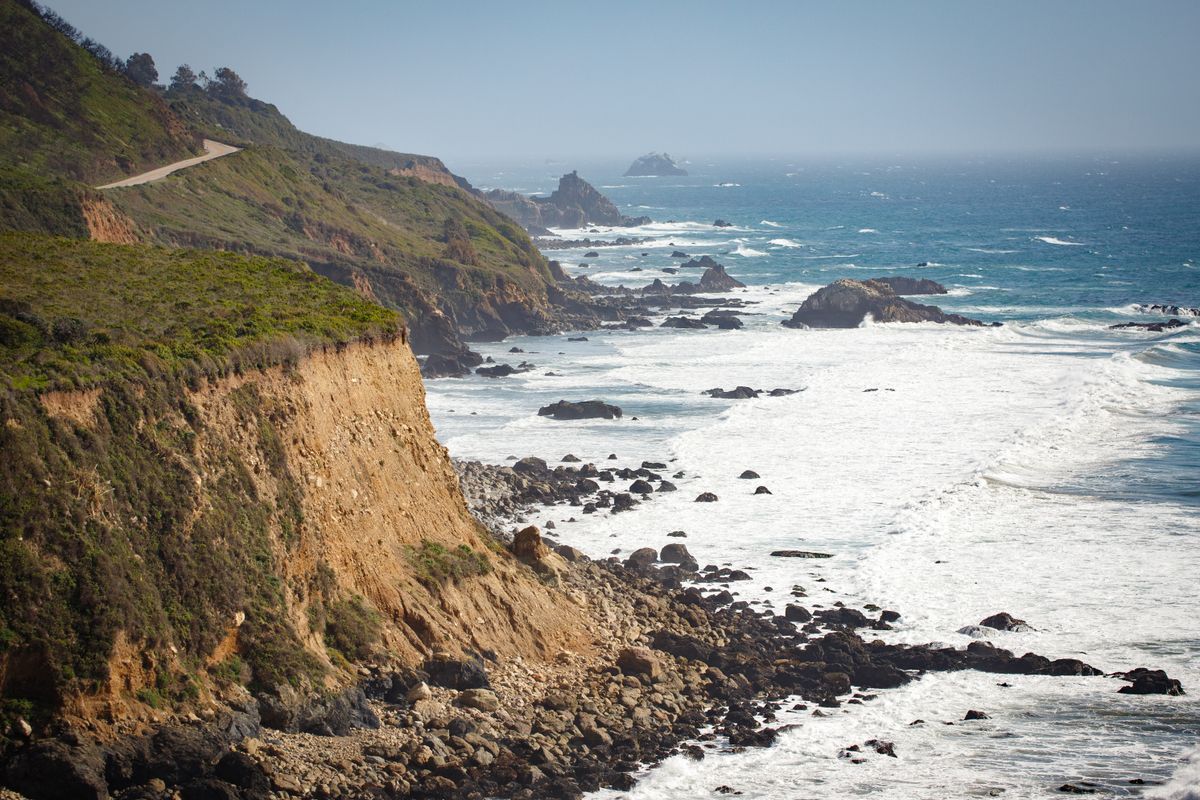
Cambria — this is the coast these pages are about.
Quick answer: Arborist Report for a Sale in Cambria, CA — The crew that answers the phone is the crew that climbs the tree: locally based, insured, and working to the industry standards rather than to whatever the last job allowed. That matters most where the work is delicate — over a roof, beside a wire, or on a slope where the wood has to be lowered rather than dropped.
- Credentials: ISA-certified arborists; licensed and insured for work over structures and near utilities.
- The standard: ANSI A300 for pruning and ANSI Z133 for safety on every job.
- Where we work: Cambria, San Simeon, Harmony, Cayucos, Morro Bay, Los Osos and the surrounding county.
- How we quote: A site visit and a written, line-by-line quote before any work is booked.
- Our own record: 503 pages and 291 stories published on this site. Counted from our own archive, not a stock table.
Field note. What we see is that the questions worth asking are the same on every property: who is climbing, what happens to the wood, and what the tree looks like in five years — so we answer those before we talk about dates.
On the other hand, credentials are a floor rather than a guarantee: what a tree gets is the judgment of the person in it, which is why we keep the same small crew on this coast.
An arborist report for a property sale in Cambria is written for people who are not standing in the garden: a buyer, a lender, a title officer, sometimes a realtor trying to close a file before the contingency date.
What they need is not a trade opinion but a document with a scope, a method and a named tree-by-tree condition, in plain enough language that the defect list can be attached to a disclosure. It is a transaction document, and it reads differently from the report an insurance claim asks for.
What the report covers
The tree inventory first: species, size, position on the lot, general condition. Then the defects that affect value or insurability — a pine with a root-plate lean over the house, a codominant fork above the parking, a protected oak with a fill mound against the flare, dead wood in the crown of a tree the buyers will inherit.
Then the protections, because on this coast that is frequently the largest single fact in the file: an oak or a heritage tree a future owner cannot simply remove.
Why the defect list is the valuable part
Anything a buyer cannot see is exactly what a written report exists to surface. A cracked fork, a hollow base, a grade change made by the previous owner — none of those show up in a walk-through, and all of them turn into a negotiation, a repair request or a post-closing argument. A report that names them early usually makes a sale smoother rather than harder, because everybody ends up pricing the same facts.
The caveats that belong in it
A living thing cannot be warranted. An arborist assesses the tree as of the day of the visit, and the report says so, along with the areas that could not be seen and the limits of a visual inspection without decay testing. A report that omits those is not stronger; it is the one that gets attacked later.
How long it stays usable
A written tree opinion is a snapshot with a date, and lenders and carriers treat a stale one as no report at all. On a coastal lot one season of wind and rain changes a leaning pine, so a document more than a few months old may need a re-walk before a second transaction can rely on it.
Tell us the address and the closing date and we will scope the walk to fit it. Call (805) 927-4414 or use the contact page.
Questions, quotes, or just exploring — we’re here to help.