


Palms on the Coast Are Their Own Job
Palm Tree Trimming in Cambria, CA
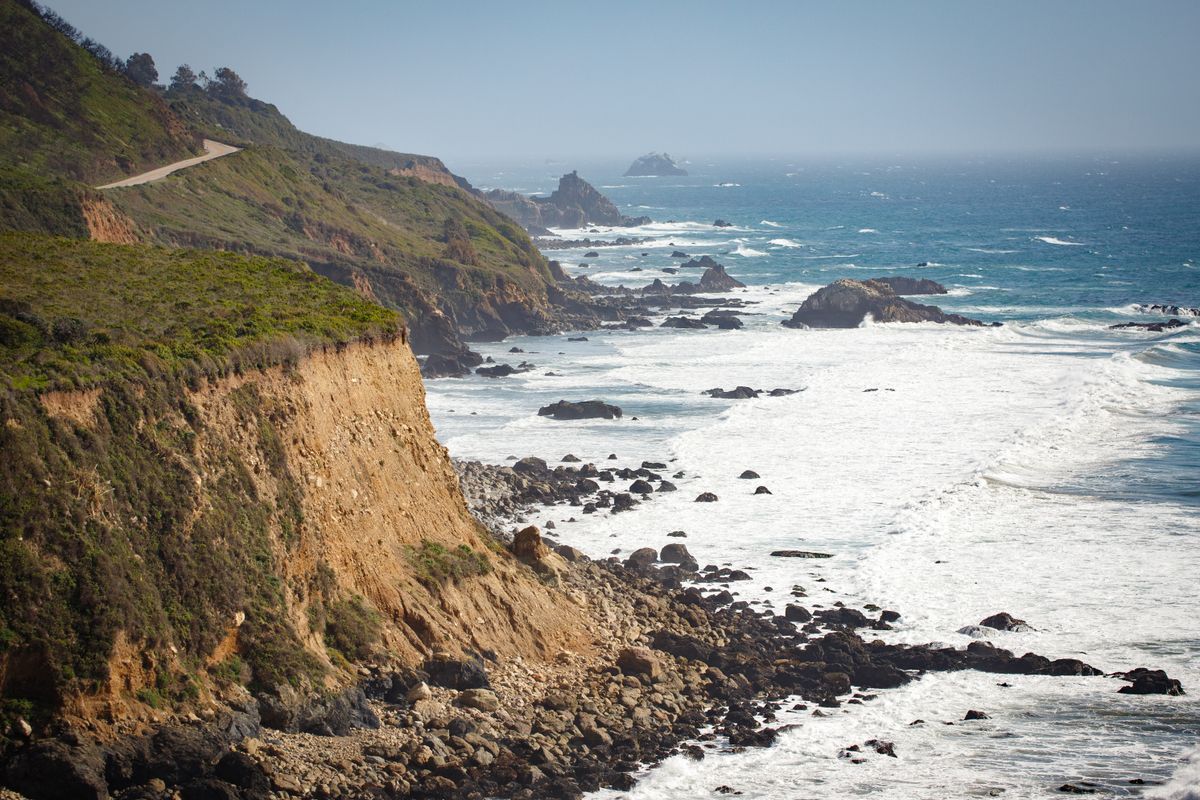
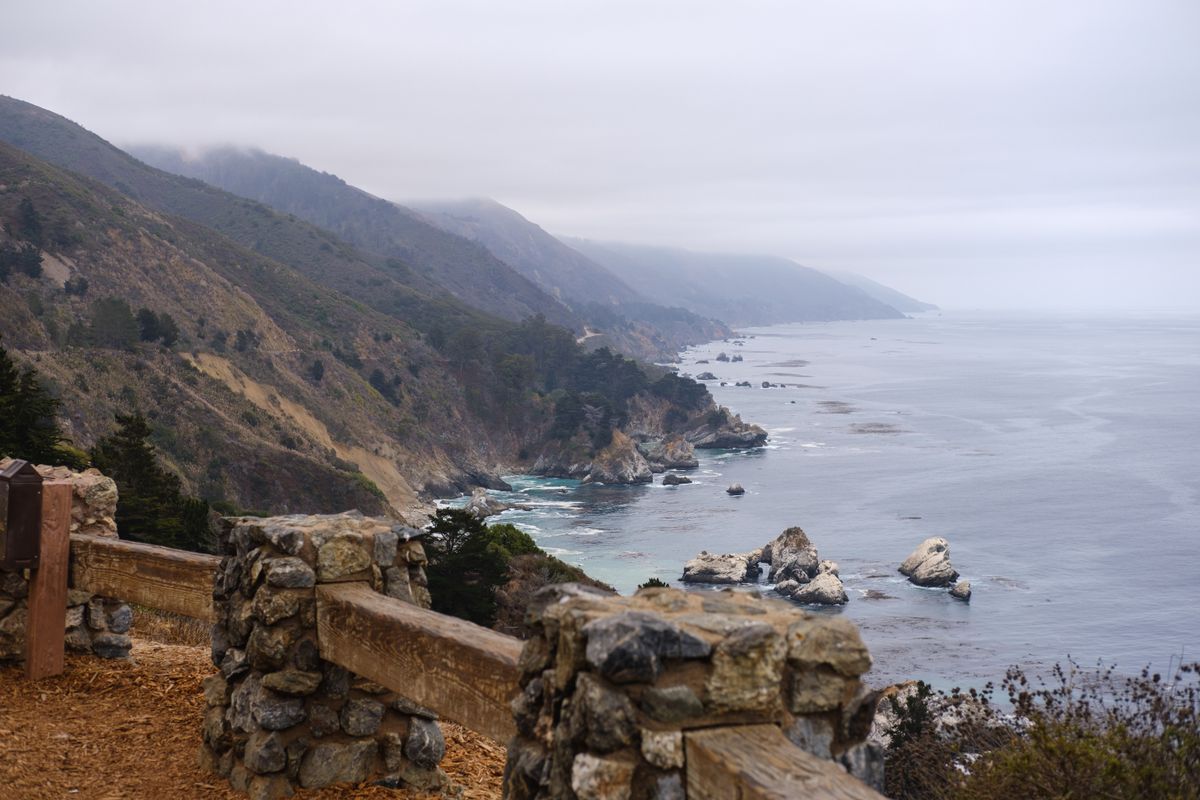
Cambria — this is the coast these pages are about.
Quick answer: Palm Tree Trimming in Cambria, CA — Pruning is a plan before it is a cut: deadwood and broken limbs first, then clearance from roofs, wires and paths, then the structure the tree will carry for the next decade. The right cut heals and the wrong one invites decay, which is why the order matters more than the number of cuts.
- Typical timing: Structural work in the dormant months, light clearance and deadwood any time the tree is not under stress.
- What it involves: Removing dead and crossing limbs, thinning to let light through, lifting low limbs for clearance, and never topping a tree.
- The standard: The ANSI A300 pruning standard as applied by ISA-certified arborists — including the three-cut method on every limb worth saving.
- Where we work: Cambria, San Simeon, Cayucos, Morro Bay, Los Osos and the towns between.
- Our own record: 503 pages and 291 stories published on this site. Counted from our own archive, not a stock table.
Field note. What we see on this coast is a pruning calendar that does not match the inland one: salt air, fog and wind mean a cut that would be minor in the valley can be the one that opens a crown to decay here, so we look at the species and the exposure before the season.
On the other hand, not every tree wants to be pruned: leaving a healthy canopy alone is a decision that pays, and a tree with plenty of space is often better served by doing nothing.
Palm tree trimming in Cambria is a different trade from tree pruning, and the palms around Moonstone and through the village are the reason it is worth saying out loud. A palm is not a tree with a trunk — it is a giant bud on a stem, with one growing point at the top and no ability to grow another if that point is destroyed.
That single fact changes what a trim may remove, and it is why the aggressive "pineapple" cut seen elsewhere on the coast is a permanent mistake rather than a style.
One bud, no do-overs
Because all growth comes from the crown, a palm cannot replace what is taken from it the way an oak can. Cutting green fronds to tidy the head removes the leaf area that feeds the stem, and it does not grow back — the palm simply gets smaller and thinner over years. Cutting above the growth point kills the plant outright, and no pruning brings it back.
What actually gets removed
Dead and brown fronds that have collapsed and are hanging; fruit and flower stalks, which are heavy and make a mess on a walk; and dead boots on the trunk where they have separated, which is a hygiene job about rats and beetles more than an aesthetic one. Green fronds stay, including the low ones. A crown after a proper trim is fuller than most owners expect.
The species on this coast
Mexican fan palms are the common one here and they hold a lot of dead material, which becomes a fire and pest problem when it is left for years. Canary date palms are larger and slower, and their fronds are dangerous to handle — they carry spines and the bases are heavy.
Both want the frond litter cleared from the base and the gutters, because on a coastal lot that litter goes up and the fronds block a roof drain in the first rain.
The parts people forget
The trimming is usually the smaller half of the visit. Palms fruit mostly in the warm months and the drop is sticky on cars and decks; fronds block gutters and valleys; the dead skirt is where rats live when a roof is close. On a holiday rental the calendar matters more than the crown, and the work is planned around the season that keeps the mess off the guest.
If the palms have not been touched in a few years, the first visit is heavier than the ones after it. Call (805) 927-4414 or use the contact page and we will look at the head before quoting.
Questions, quotes, or just exploring — we’re here to help.