

More Blue, No Butchery, No Boundary Row
View Clearing in Cambria, CA
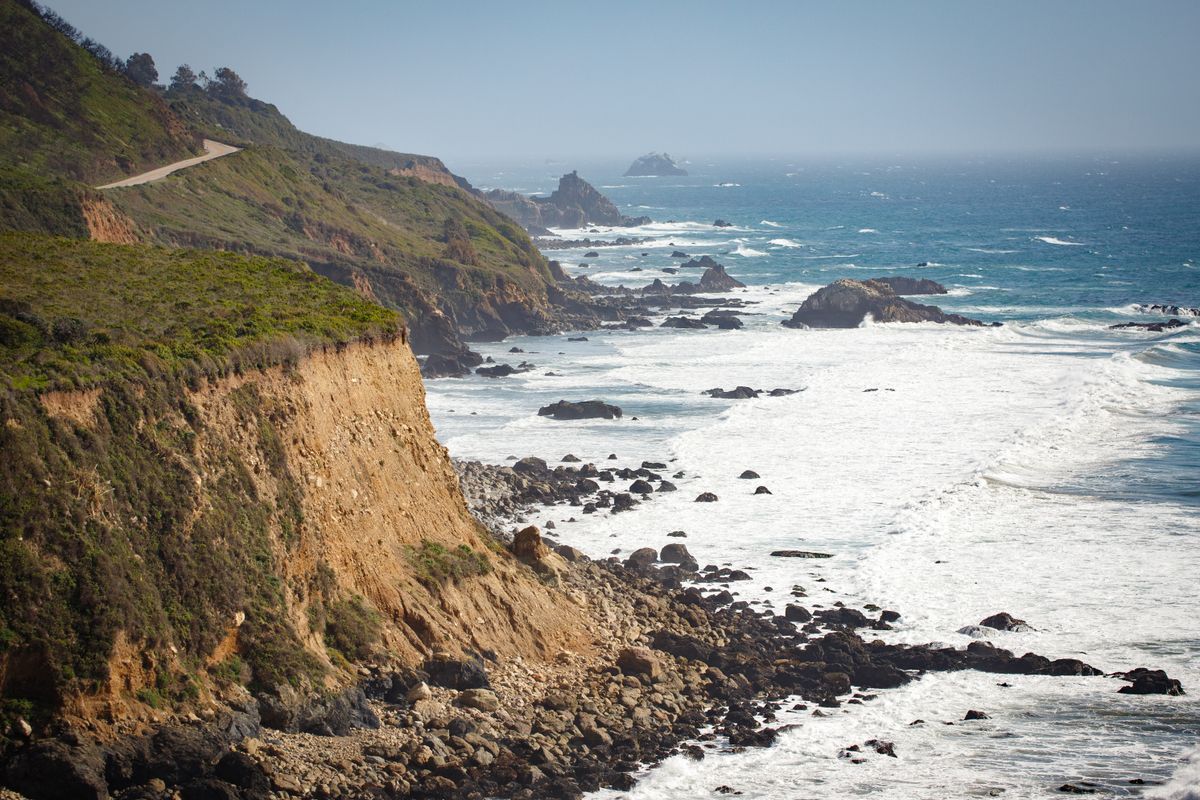
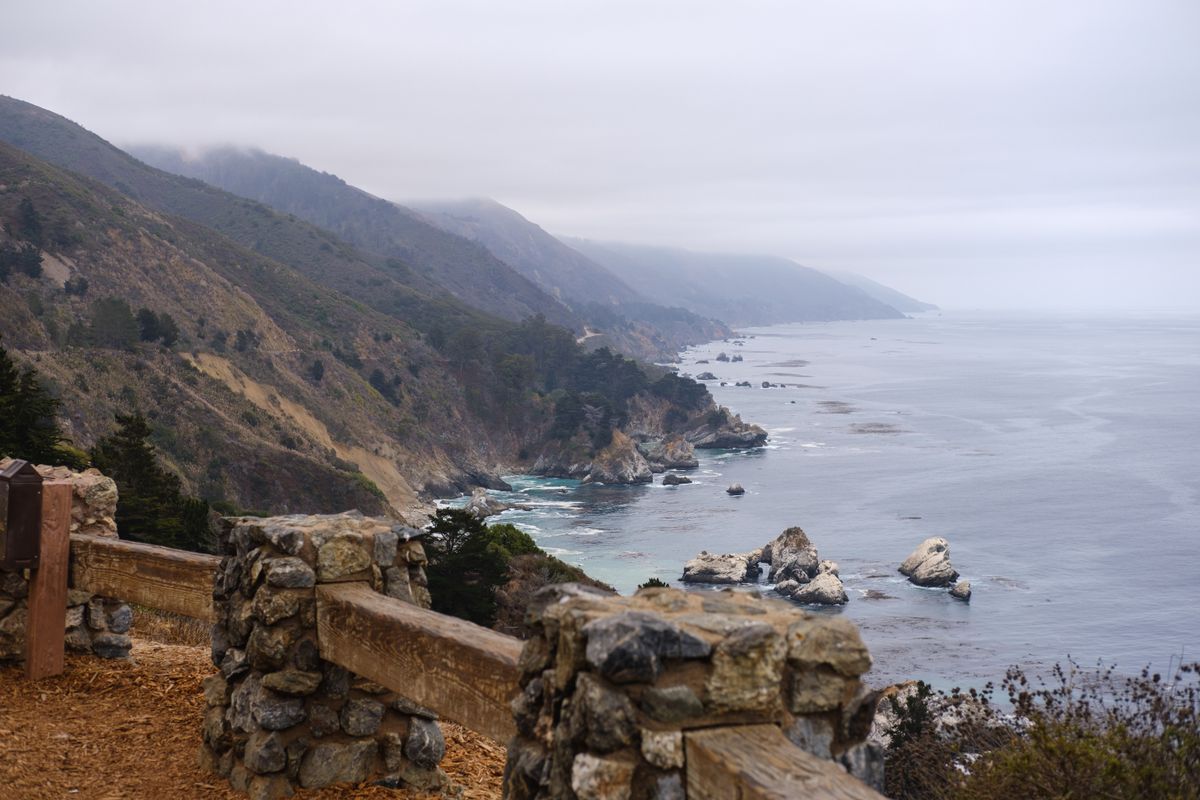
Cambria — this is the coast these pages are about.
Quick answer: View Clearing in Cambria, CA — Trees on this coast live with fog, salt, wind and thin soil, and the work that keeps them healthy is decided by those conditions rather than by a calendar written inland. Structure, clearance and the root zone are what a tree here needs looked at, and small work done early is what keeps a tree out of the emergency list.
- What it involves: Structural pruning, clearance from structures and wires, deadwood removal, root-zone care and hazard assessment.
- Typical timing: Structural work in the dormant months; deadwood, clearance and hazard work whenever the tree needs it.
- The standard: The ISA standards for pruning and tree risk assessment, applied by ISA-certified arborists.
- Where we work: Cambria, San Simeon, Harmony, Cayucos, Morro Bay, Los Osos and the Cambria pine belt.
- Our own record: 503 pages and 291 stories published on this site. Counted from our own archive, not a stock table.
Field note. What we see on this coast is that the trees people worry about are usually not the ones in trouble: the pine with a clean crown and a lean that predates the house is often sounder than the tidy tree that has been quietly drowning in its own root zone.
On the other hand, there is no schedule that suits every tree — the same species on two sides of one street can need opposite care, which is why we look before we recommend.
View clearing in Cambria is the most delicate work on this coast, because it is usually about the horizon and always about a boundary. A pine that grew into a sightline is standing on somebody's land, and the crown bothering a neighbour may belong to a tree that is protected, healthy and on the other side of a fence.
The trade has a way of doing this that opens the water without butchering the tree: selective reduction and windowing, cutting back the laterals that actually cross the sightline rather than levelling the crown.
Opening a sightline without topping
The row that blocks a west-facing view is rarely the whole tree — it is specific limbs at a specific height. Taking those back to a lateral of adequate size opens a window through the crown, and the tree keeps its shape and most of its leaf area.
Topping the same tree would open more and cost the tree a decade of regrowth, decay behind the cut and a heavier, more brittle crown in the wind. Windowed trees look pruned; topped trees look ruined, and the difference shows within two seasons.
The boundary question
On a small Cambria lot the tree blocking the view is often not yours. Pruning across a boundary without consent is a liability wherever the law lands, and the honest first step is a conversation, a survey and a written scope both owners can read. Where the tree sits on a parcel line an arborist's written view helps enormously, because it separates what the tree needs from what the argument wants.
Protected trees change the arithmetic
A protected native oak, or a tree inside a designated zone, can carry restrictions on what may be cut and when, and a view is not normally a reason an ordinance recognises. That is not a reason to give up — it is a reason to find out before the crew is booked, because the answer shapes both what can be cut and the paperwork that goes with it.
How long it lasts
A view is a maintenance contract, not a purchase. Coastal pines push growth back into any opening within a couple of seasons, and cypress and eucalyptus are quicker than that. The honest way to hold one is a light pass every two or three years, planned while the limbs are small, rather than one large operation every decade in which the tree has to give up too much at once.
Tell us which direction the view is and whose tree blocks it. Call (805) 927-4414 or use the contact page and we will scope the cut, not the argument.
Questions, quotes, or just exploring — we’re here to help.