


Training the Tree Before the Fork Forms
Structural Pruning in Cambria, CA
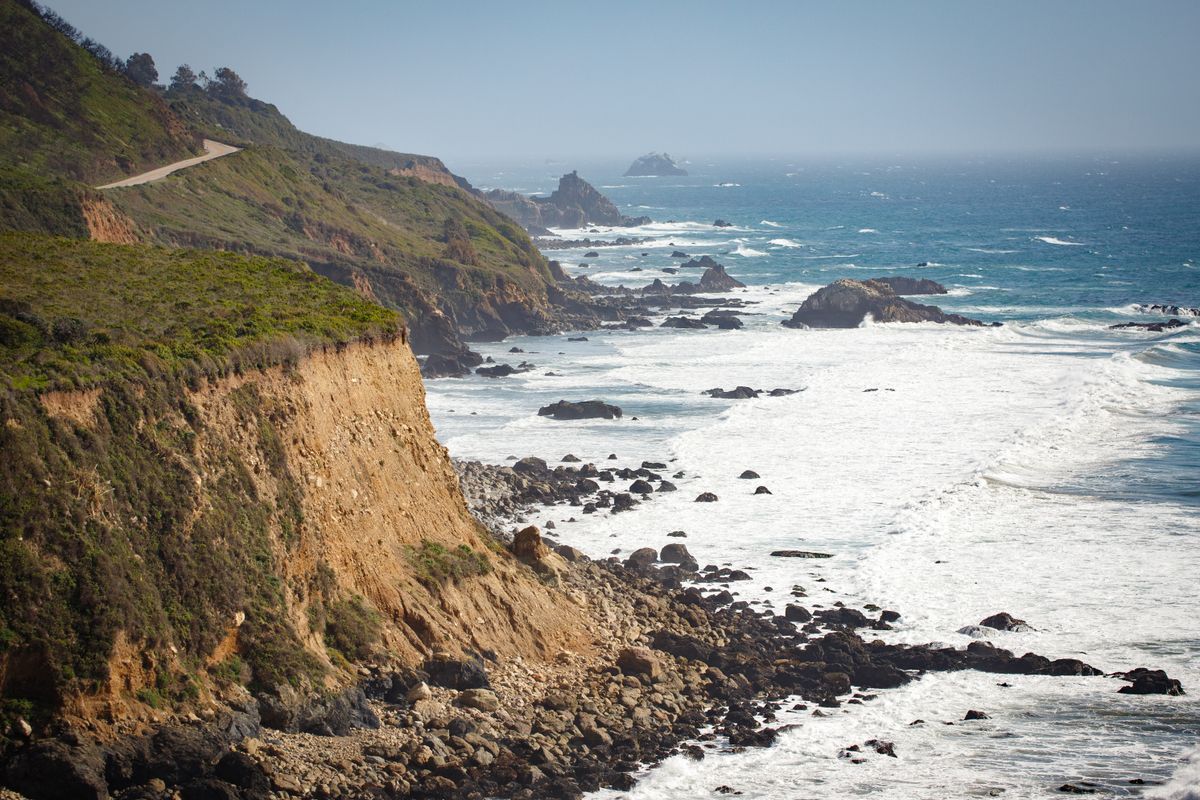
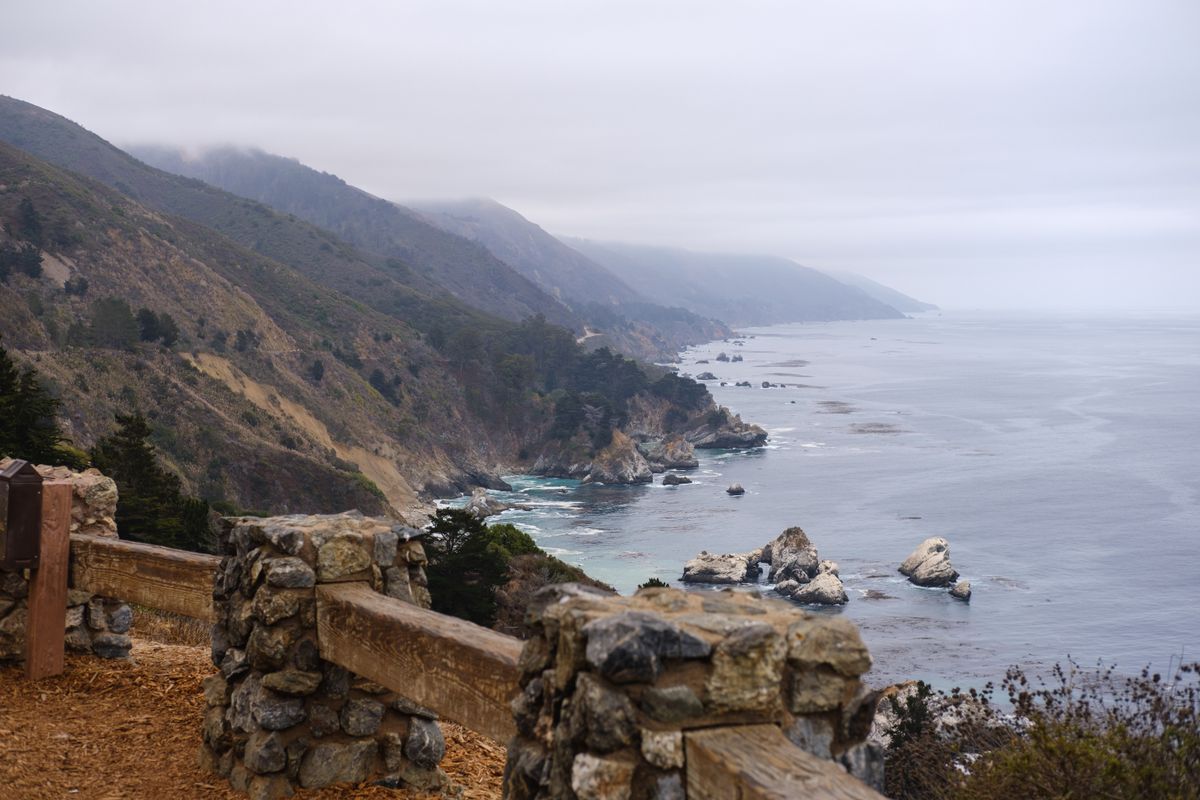
Cambria — this is the coast these pages are about.
Quick answer: Structural Pruning in Cambria, CA — Pruning is a plan before it is a cut: deadwood and broken limbs first, then clearance from roofs, wires and paths, then the structure the tree will carry for the next decade. The right cut heals and the wrong one invites decay, which is why the order matters more than the number of cuts.
- Typical timing: Structural work in the dormant months, light clearance and deadwood any time the tree is not under stress.
- What it involves: Removing dead and crossing limbs, thinning to let light through, lifting low limbs for clearance, and never topping a tree.
- The standard: The ANSI A300 pruning standard as applied by ISA-certified arborists — including the three-cut method on every limb worth saving.
- Where we work: Cambria, San Simeon, Cayucos, Morro Bay, Los Osos and the towns between.
- Our own record: 503 pages and 291 stories published on this site. Counted from our own archive, not a stock table.
Field note. What we see on this coast is a pruning calendar that does not match the inland one: salt air, fog and wind mean a cut that would be minor in the valley can be the one that opens a crown to decay here, so we look at the species and the exposure before the season.
On the other hand, not every tree wants to be pruned: leaving a healthy canopy alone is a decision that pays, and a tree with plenty of space is often better served by doing nothing.
Structural pruning in Cambria is the work done on a young pine or cypress so that nobody has to pay to climb it in thirty years. The trees that fail on these bluffs are usually not the ones with the biggest defect — they are the ones that grew a codominant fork at chest height and were never corrected.
Fixing that fork while the tree is small is a fifteen-minute cut. Fixing it at forty feet is a cabling job at best and a crane removal at worst.
The architecture the tree should have
What we are building is one dominant leader with scaffold branches spaced along it, radiating out and up at reasonable angles, none of them crowding the others. A Monterey pine's natural habit wants to run two or three stems at once, and each competing stem is a future included-bark union. Choosing the leader and subordinating the others — shortening them back rather than removing them outright — leaves the tree's energy where the structure wants it.
Young trees first, mature trees rarely
The leverage is all with the young tree. A newly planted specimen can be shaped over three or four light visits across a decade and will spend its life with a trunk that takes wind.
On a mature pine that already carries a narrow-angled fork the honest options narrow: reduce the competing stem, cable it, or accept the risk and write it down. Structural pruning cannot undo a union that has grown wood into the crotch, though it can slow it.
How it differs from cabling
Cabling and bracing support a defect the tree already has. Structural pruning keeps the defect from forming. They get confused because both aim at a fork. If the fork is young and one side can be subordinated with a cut, that is pruning, and it is the better answer. If the fork is mature and both stems bear load, hardware is installed and the tree is inspected afterwards.
What to ask for, and what to refuse
Ask for a written description of which stem is being chosen as the leader and which limbs are being subordinated. Refuse a crew that thins evenly around the crown — that is tidying, not structure, and on a codominant tree it removes the very subordinate limbs you wanted to keep.
If you have planted something in the last few years, the shaping is cheap now and expensive later. Call (805) 927-4414 or use the contact page.
Questions, quotes, or just exploring — we’re here to help.