

The Cheap Insurance on a Bluff Pine
Deadwooding in Cambria, CA
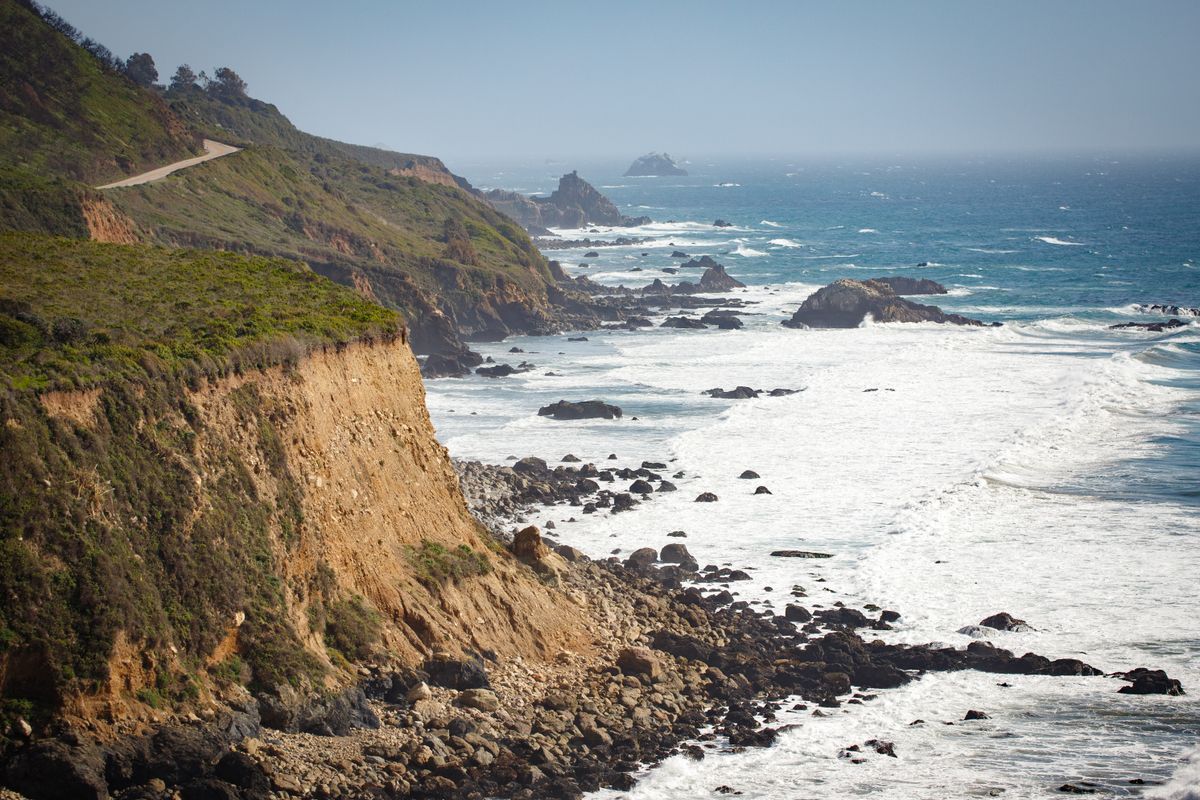
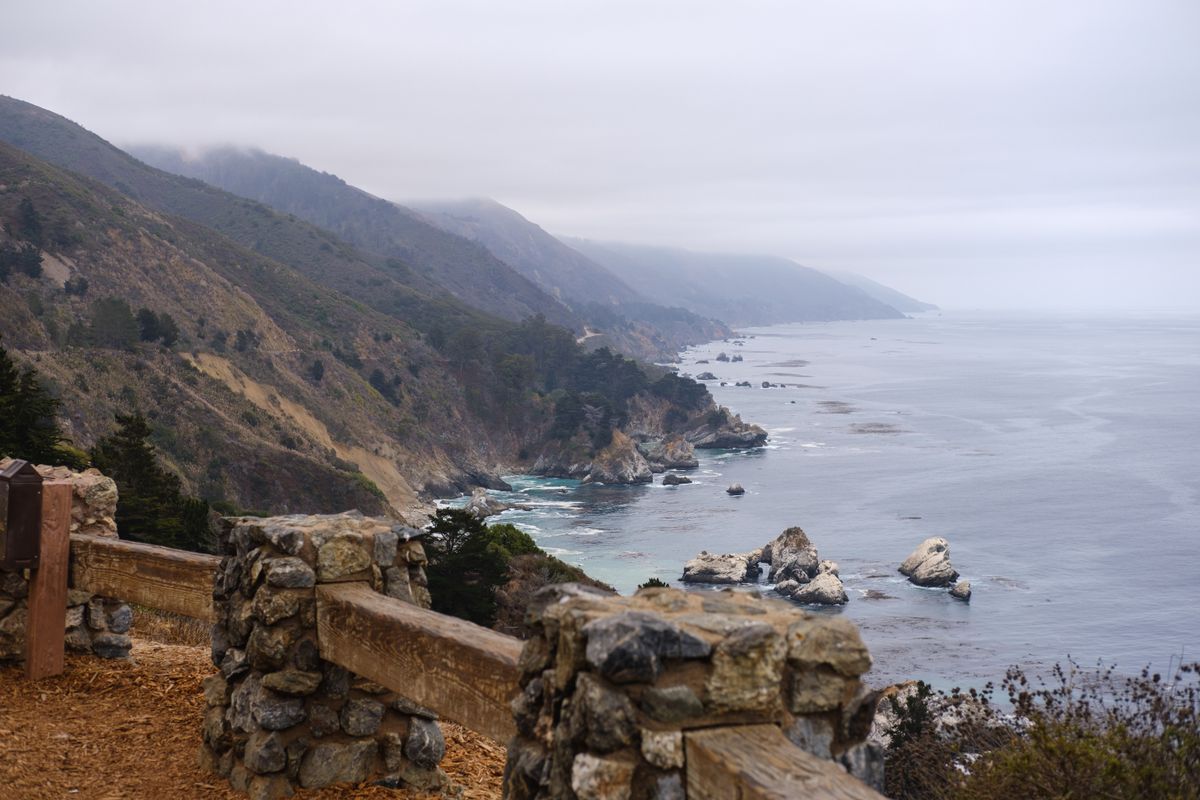
Cambria — this is the coast these pages are about.
Quick answer: Deadwooding in Cambria, CA — Pruning is a plan before it is a cut: deadwood and broken limbs first, then clearance from roofs, wires and paths, then the structure the tree will carry for the next decade. The right cut heals and the wrong one invites decay, which is why the order matters more than the number of cuts.
- Typical timing: Structural work in the dormant months, light clearance and deadwood any time the tree is not under stress.
- What it involves: Removing dead and crossing limbs, thinning to let light through, lifting low limbs for clearance, and never topping a tree.
- The standard: The ANSI A300 pruning standard as applied by ISA-certified arborists — including the three-cut method on every limb worth saving.
- Where we work: Cambria, San Simeon, Cayucos, Morro Bay, Los Osos and the towns between.
- Our own record: 503 pages and 291 stories published on this site. Counted from our own archive, not a stock table.
Field note. What we see on this coast is a pruning calendar that does not match the inland one: salt air, fog and wind mean a cut that would be minor in the valley can be the one that opens a crown to decay here, so we look at the species and the exposure before the season.
On the other hand, not every tree wants to be pruned: leaving a healthy canopy alone is a decision that pays, and a tree with plenty of space is often better served by doing nothing.
Deadwooding in Cambria is the cheapest real risk reduction available on a mature tree, and it is also the job most often postponed because dead limbs are quiet until they are not. A pine that has been through drought and a beachside winter carries broken stubs, hanging limbs and dead top wood that fail on their own schedule rather than the tree's.
Taking those out costs a morning on a tree that is otherwise sound, and it removes exactly the pieces a winter southerly turns into falling hazards.
What counts as dead, and how it is judged
A dead limb looks different from a dormant one and from a living stub. The bark is loose, there is no green layer if a small cut is made, and the wood rings hollow or cracks instead of flexing.
Hanging wood — a limb caught in a fork, still attached at one end and moving with the wind — is the part that gets forgotten, because it sits above the eye line and only the climber meets it. We look for those specifically rather than assuming the obvious broken branch is the whole list.
Why dead wood fails on its own clock
Dead wood loses the flexibility that lets a living limb bend under load, so it fails at a lower wind speed than the wood around it. It also changes the crown: a pine holding a dead top has its leverage in the wrong place, and the piece at the very top is the most heavily loaded one in the tree. On a bluff lot where the soil is shallow, that is not a cosmetic issue.
What the cut should look like
Dead wood is removed back to live tissue or to the branch collar where the limb attached, not snapped off short and left as a spike that rots into the parent limb. The cuts are few and unremarkable. A deadwooded tree should look like nothing was done to it, which is what separates the job from a hard prune.
When deadwooding is not enough
If the dead wood is the top of the tree rather than the outside of it, deadwooding does not fix the problem — that is a declining tree, and the question becomes what is causing the decline. If a limb is failing because of a fork with included bark, taking out the dead pieces addresses the symptom, not the union.
Where it pairs well is with a written risk assessment: the assessment names the defects and the priority, the deadwooding clears what can be cleared.
Have the crown read before winter. Call (805) 927-4414 or use the contact page and we will tell you whether this is a deadwooding job or something larger.
Questions, quotes, or just exploring — we’re here to help.