


The CCSD File and the County Line
Tree Permits & Ordinances in Cambria, CA
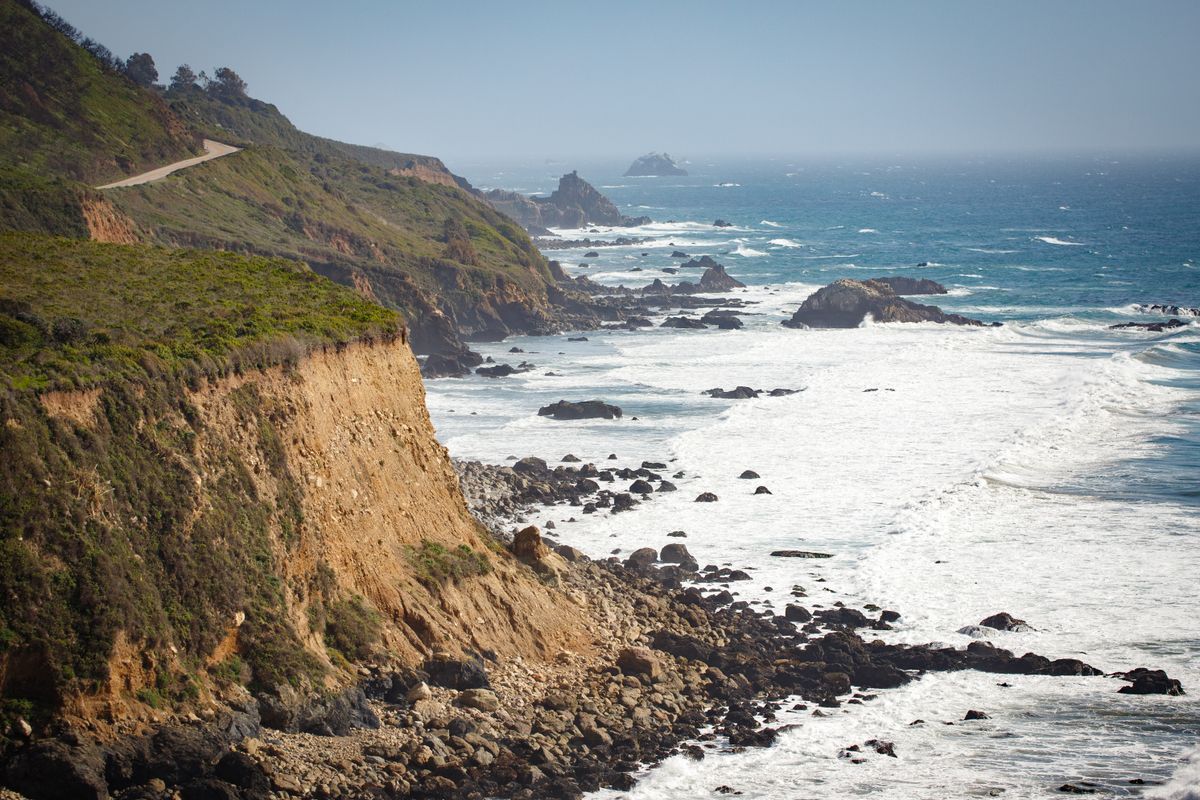
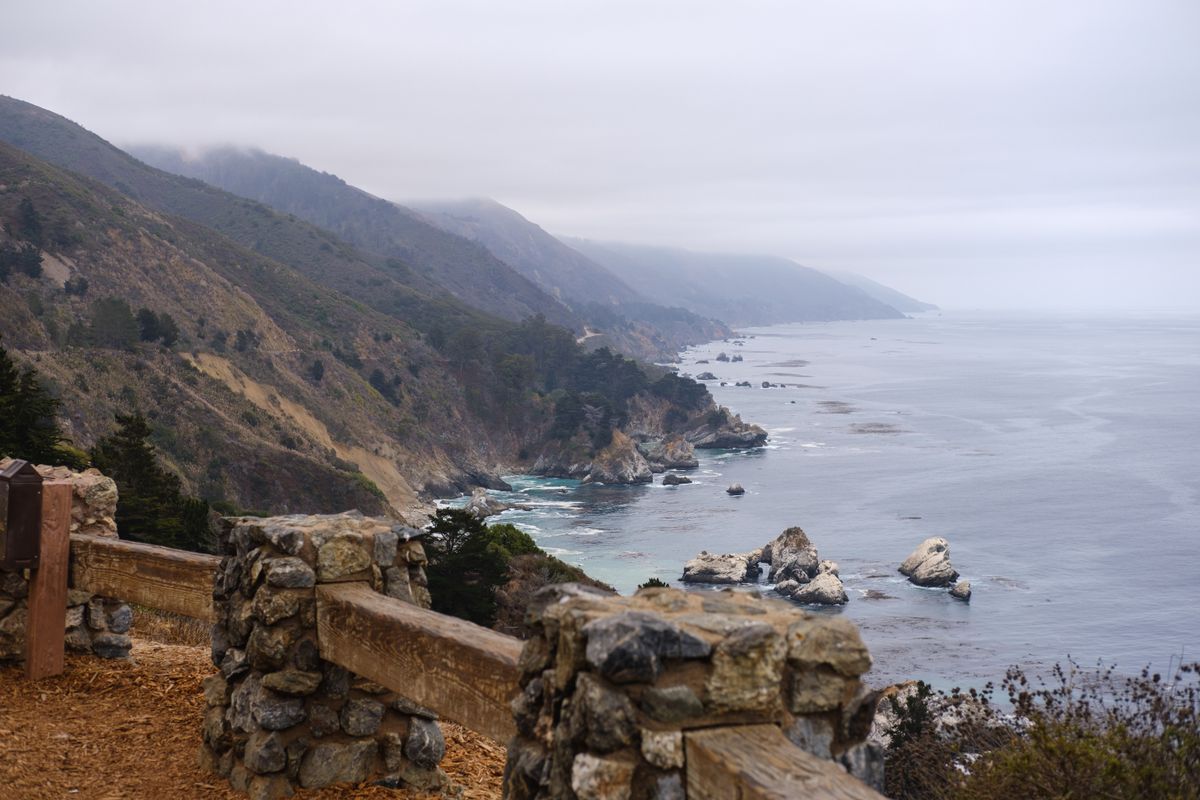
Cambria — this is the coast these pages are about.
Quick answer: Tree Permits & Ordinances in Cambria, CA — Removing a tree is planning before it is cutting: where the wood lands, what is under it, whether a rope or a crane takes the weight, and what is left when the crew drives away. A removal is finished when the drop zone is clear and the stump is dealt with, not when the trunk hits the ground.
- Typical timing: When the tree is a hazard, the schedule is immediate — storm damage, split leaders and leaners do not wait for good weather.
- What it involves: A written plan for the drop zone, rigging or crane work over structures, protecting driveways and roofs, and deciding the stump’s fate in advance.
- The standard: The ANSI Z133 safety standard for arboricultural operations, and ISA best practice for removals near structures.
- Where we work: Small town lots, coastal acreage and the narrow properties of the Cambria pine belt.
- Our own record: 503 pages and 291 stories published on this site. Counted from our own archive, not a stock table.
Field note. What we see here is that access decides the price more than height does: a pine over a fence on a slope with no driveway costs more to take down safely than a taller tree with a clear drop, and the plan is where that shows up.
On the other hand, removal is not the only safe answer — a tree with one failing limb, or a lean that can be corrected by reduction, is often better kept and managed than gone.
Most Cambria tree questions are county questions, with the CCSD carrying a local layer, and the answer changes the moment a tree is protected, inside a coastal zone, or simply worth a report.
Tree removal permits and ordinances on this coast are not one rule — they are three or four overlapping ones, and the practical skill is knowing which applies to the tree you are looking at before anybody starts a saw. Getting that wrong is expensive in a way a stump grind never is.
Who regulates what, town by town
Cambria is unincorporated, so the county's rules and the CCSD's expectations do most of the work, with coastal-zone review in the picture on parcels near the bluff. San Luis Obispo city runs its own ordinance with a Tree Committee; Morro Bay layers its own rules on top of coastal review; and each town treats heritage and native species differently. Advice written for a downtown street tree is not useful on a Lodge Hill lot, and the reverse is also true.
What needs a report, and what is exempt
The exemptions are the part worth knowing. Dead, dying and genuinely hazardous trees are usually a different category from a healthy protected oak, and emergency work after a failure is normally allowed ahead of paperwork with the record made afterwards. Everything else — a healthy native oak, a tree inside a designated zone, a removal that changes a protected view — is where the ordinance bites and an arborist's written opinion earns its fee.
The report a permit usually wants
What is asked for is almost always the same shape: species, size, condition, the reason the tree cannot stay, what it threatens if it does, and often a replacement plan with species suited to the site. We write that in the language the reviewer expects rather than the language of the trade, because a report that has to be sent back is a delay measured in weeks.
The timeline, honestly
Some of these processes run in days and some in months, and the season matters because work inside a nesting window may be restricted. If a removal has a date attached — a sale, a build, an insurer's letter — the ordinance work starts first for exactly that reason.
Tell us the address, the species and what the county or the CCSD told you. Call (805) 927-4414 or use the contact page and we will tell you which of the rules you are actually up against.
Questions, quotes, or just exploring — we’re here to help.