


After the Southerly: Triage, Then the Work
Storm Damage Cleanup in Cambria, CA
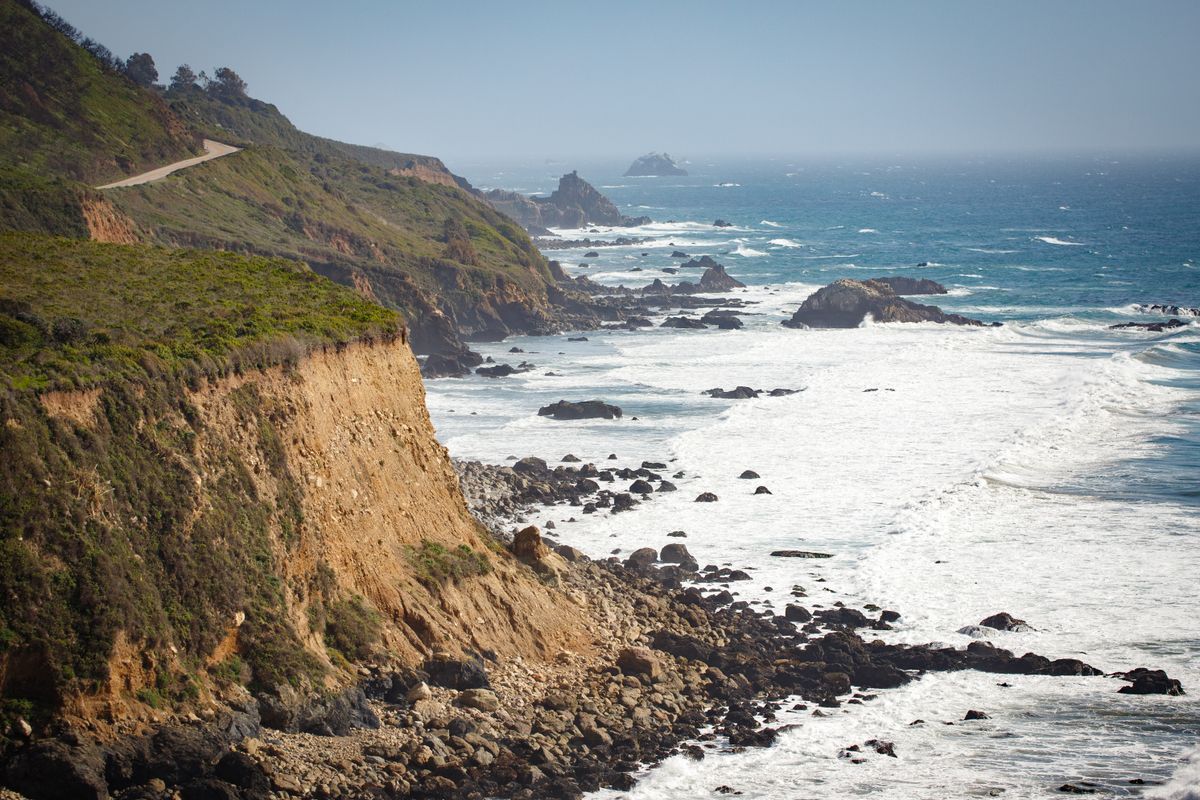
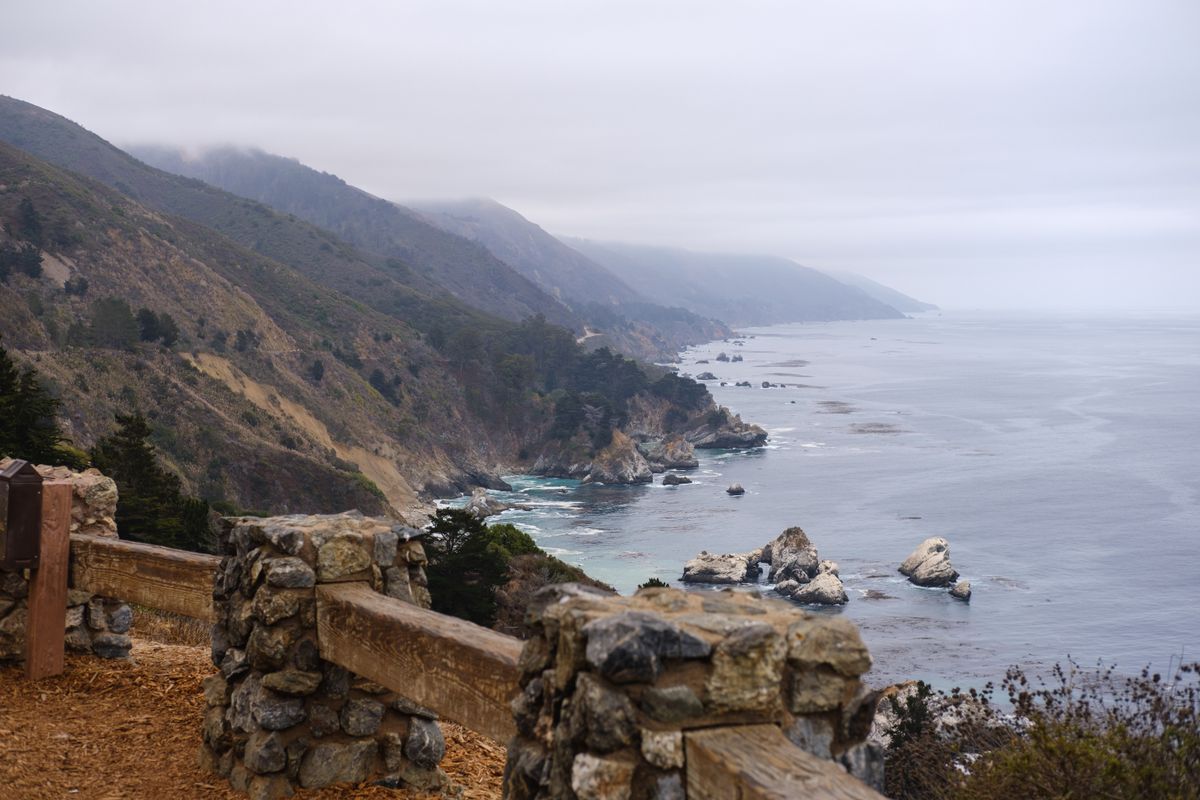
Cambria — this is the coast these pages are about.
Quick answer: Storm Damage Cleanup in Cambria, CA — Removing a tree is planning before it is cutting: where the wood lands, what is under it, whether a rope or a crane takes the weight, and what is left when the crew drives away. A removal is finished when the drop zone is clear and the stump is dealt with, not when the trunk hits the ground.
- Typical timing: When the tree is a hazard, the schedule is immediate — storm damage, split leaders and leaners do not wait for good weather.
- What it involves: A written plan for the drop zone, rigging or crane work over structures, protecting driveways and roofs, and deciding the stump’s fate in advance.
- The standard: The ANSI Z133 safety standard for arboricultural operations, and ISA best practice for removals near structures.
- Where we work: Small town lots, coastal acreage and the narrow properties of the Cambria pine belt.
- Our own record: 503 pages and 291 stories published on this site. Counted from our own archive, not a stock table.
Field note. What we see here is that access decides the price more than height does: a pine over a fence on a slope with no driveway costs more to take down safely than a taller tree with a clear drop, and the plan is where that shows up.
On the other hand, removal is not the only safe answer — a tree with one failing limb, or a lean that can be corrected by reduction, is often better kept and managed than gone.
The emergency call is over long before the storm damage is. Storm damage tree cleanup in Cambria starts in the week after a southerly, when the obvious tree is off the roof and what is left is a leaning pine nobody has looked up at, a fence under a limb, wet duff across a drive and an insurance letter that will want facts.
The work splits into three parts and they happen in a fixed order: make the site safe, document what happened, then clear it.
First, the thing that is still moving
The most dangerous hour of a storm job is the one after the wind drops, because that is when leaning trees finish. Before anything is cut we walk the lot for the second failure: a pine whose root plate lifted but held, a limb hung up in a neighbour's tree, a broken leader still attached at the top.
Those are made safe first — sometimes with a rope and a cut, sometimes by simply keeping everyone out of the arc until the tree is dealt with. Downed conductors are never touched; that call belongs to the utility.
Document before you clear
Carriers pay for what is written down, and the record is easiest to make while the mess is still there. Photographs of the whole tree, the failure point, what it hit and the direction it came from; measurements of the stump and the spacing between trees if the claim is about a known hazard; the date and the weather.
That file is what turns a cleanup invoice into a claim, and it is the same file an arborist opinion is built from if the carrier disputes cause.
Triage, then the ordinary work
Once the site is safe, the cleanup is the part people recognise: sections cut and lowered or dropped, brush chipped, salvageable boards set aside, everything else hauled out. On a Cambria lot the access decides the method — a chipper at the kerb and a long drag, or a crane over the house. Chips usually stay on the parcel as a mat over scuffed ground.
What is often not covered, and why it pays to ask
Debris-removal limits, removal of a tree that was already declining, and work on a fence or shed that shared the drop zone are the lines that get argued. It is worth reading the policy before assuming, and worth having the arborist's cause opinion written the same week rather than the next month.
We do the safe, the documented and the cleared, in that order. Call (805) 927-4414 or use the contact page, and if the tree is still down, keep everyone clear until we arrive.
Questions, quotes, or just exploring — we’re here to help.