


The Tree That Has Already Decided
Hazardous Tree Removal in Cambria, CA
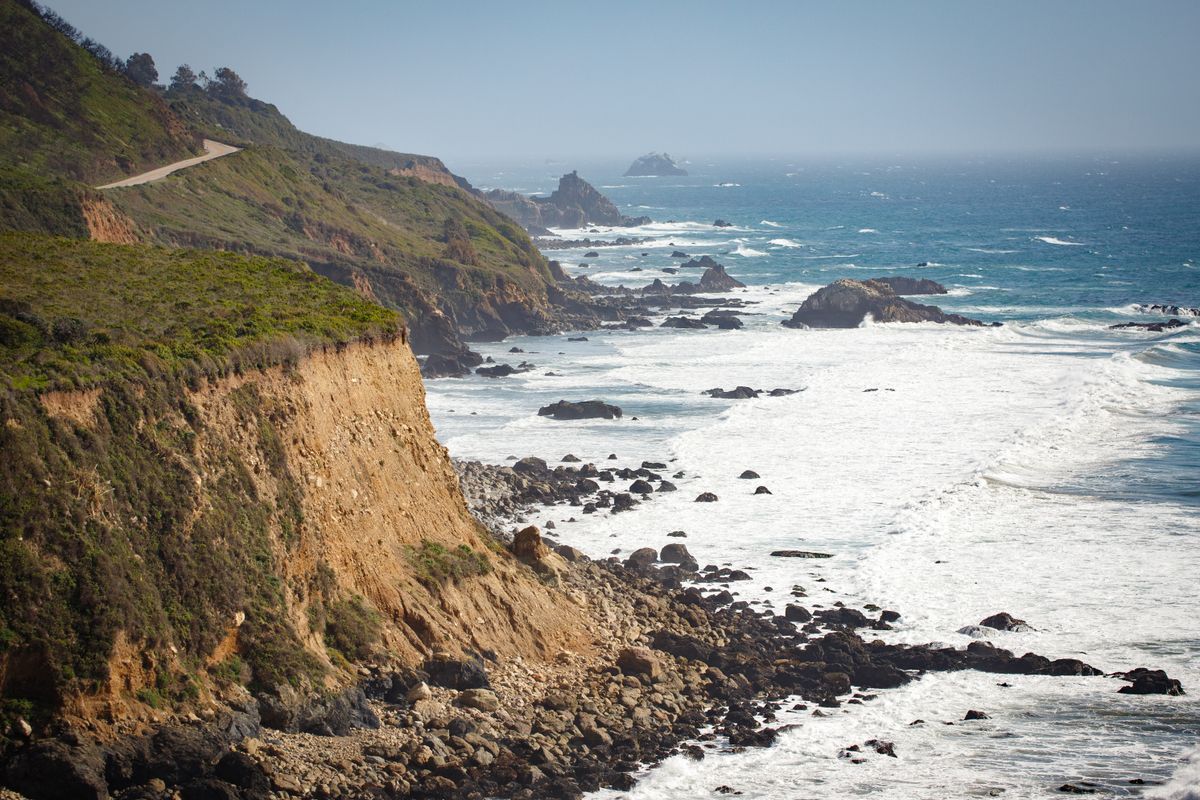
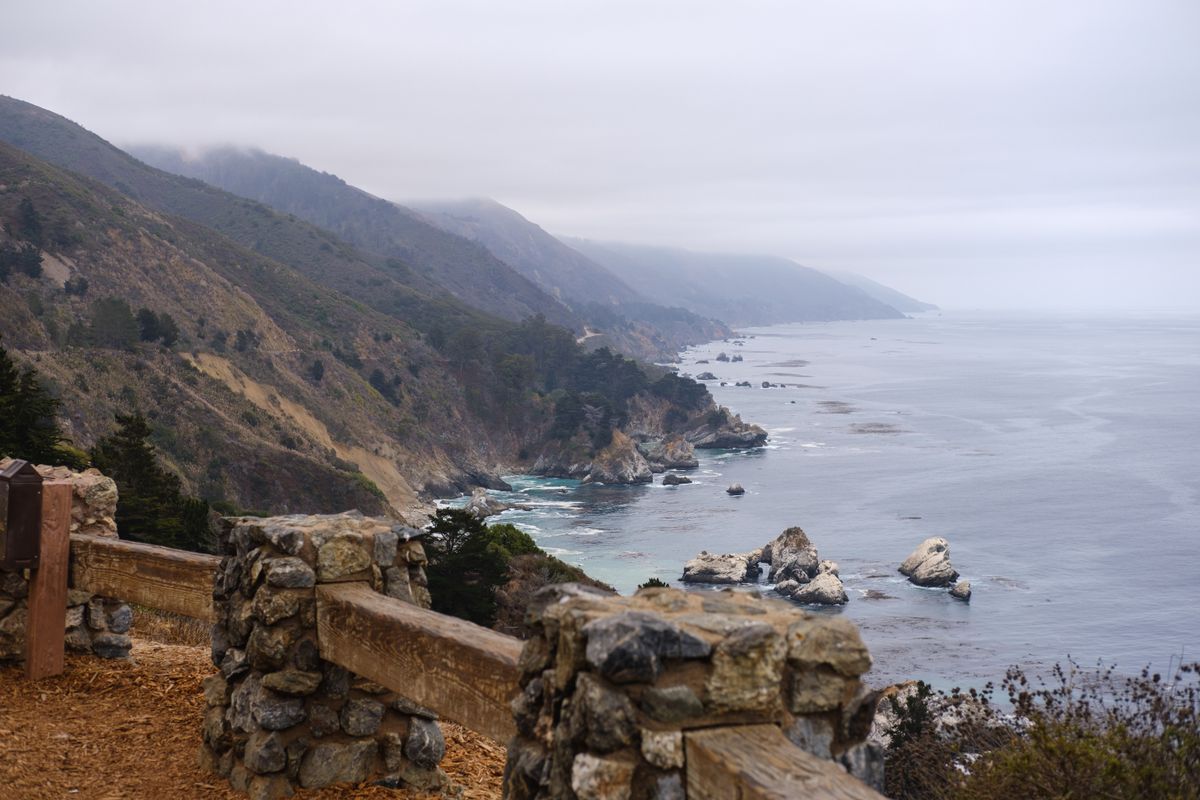
Cambria — this is the coast these pages are about.
Quick answer: Hazardous Tree Removal in Cambria, CA — Removing a tree is planning before it is cutting: where the wood lands, what is under it, whether a rope or a crane takes the weight, and what is left when the crew drives away. A removal is finished when the drop zone is clear and the stump is dealt with, not when the trunk hits the ground.
- Typical timing: When the tree is a hazard, the schedule is immediate — storm damage, split leaders and leaners do not wait for good weather.
- What it involves: A written plan for the drop zone, rigging or crane work over structures, protecting driveways and roofs, and deciding the stump’s fate in advance.
- The standard: The ANSI Z133 safety standard for arboricultural operations, and ISA best practice for removals near structures.
- Where we work: Small town lots, coastal acreage and the narrow properties of the Cambria pine belt.
- Our own record: 503 pages and 291 stories published on this site. Counted from our own archive, not a stock table.
Field note. What we see here is that access decides the price more than height does: a pine over a fence on a slope with no driveway costs more to take down safely than a taller tree with a clear drop, and the plan is where that shows up.
On the other hand, removal is not the only safe answer — a tree with one failing limb, or a lean that can be corrected by reduction, is often better kept and managed than gone.
On Cambria's narrow pine lots a hazardous tree is not a tree that looks bad — it is a tree with a target under it and a defect that has stopped waiting. Hazardous tree removal in Cambria starts with the target: the bedroom window on the uphill side of a Park Hill lot, the one-way lane two properties share, the service drop, the parked car that is always in the same place.
A hazard needs all three parts — the defect, the likelihood of failure and the consequence — and the work is decided by which of them can be changed.
What makes a pine here a hazard rather than a maintenance item
The failures we are called to are rarely a brittle snap at the base. On this marine terrace the ground is shallow over rock, so a Monterey pine that has lost root strength tends to rotate the whole plate instead. The signals show in the soil before the crown: a lifted mound on the windward side, a fresh arc of cracking in the duff, a lean that has moved since the neighbour's photograph.
In the stem we look for a codominant fork with included bark, a seam or a crack, a hollow that a mallet answers for. Pitch canker matters too — not because it kills a tree in one season, but because a crown losing its top changes how the wind loads everything below it.
The order of work matters more than the tree
A hazard rating comes first, written down, because the rating is what decides the method. A tree that can be climbed and rigged in sections is a different job from one that cannot be trusted with a climber. Where the plate is suspect, the top is dead, or the pieces over the house are too heavy, the answer is a crane working from the highway shoulder or the widest part of the drive, picking in fewer and larger lifts.
Where the lot is too narrow for a boom, it is a high line and a controlled lower, hand over hand.
The drop zone is the part that has to be cleared before anything is cut: the fence that will be rebuilt, the garden that will not, the septic tank lid, the power drop that is the utility's work and not ours. On a Cambria lot that usually means some traffic control on a lane with no second exit, and a conversation with the neighbour whose hedge is in the way.
The ground that has to hold it up
Removing the tree is half the job on a bluff parcel. A pine's roots were holding soil the winter rain is about to meet, and a bare slope behind a house is a new problem rather than a finished one. We plan the stump and the ground together — grind below grade, leave the chips as a mat across the exposed area, and say plainly when the slope needs more than a mulch layer to stay put.
If you have a tree you already step around, do not wait for the first southerly. Call (805) 927-4414 or use our contact page and we will walk the lot, rate the tree against what it threatens, and put the plan in writing before anything is scheduled.
Questions, quotes, or just exploring — we’re here to help.