
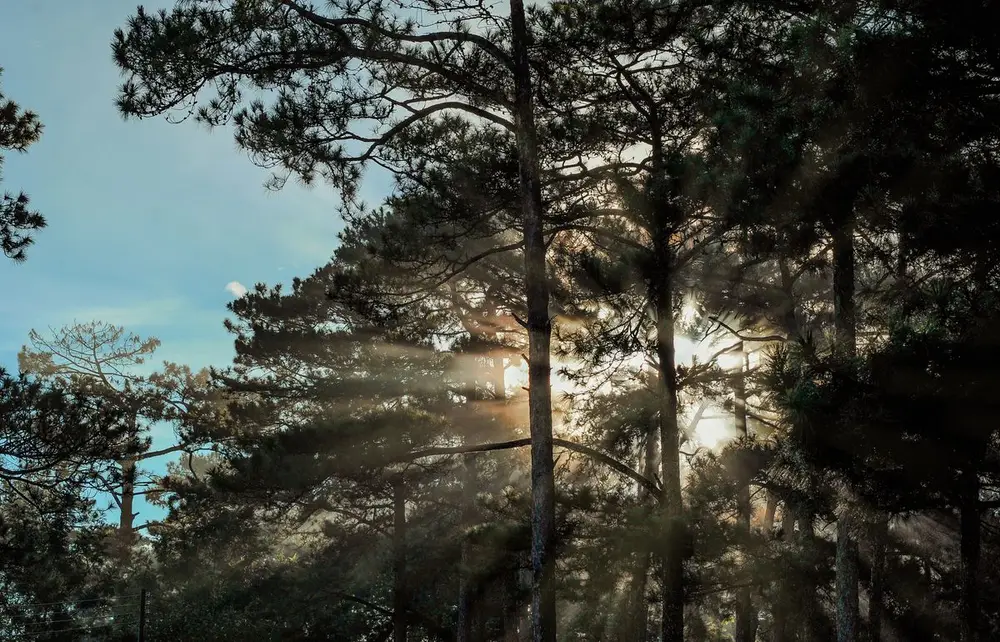
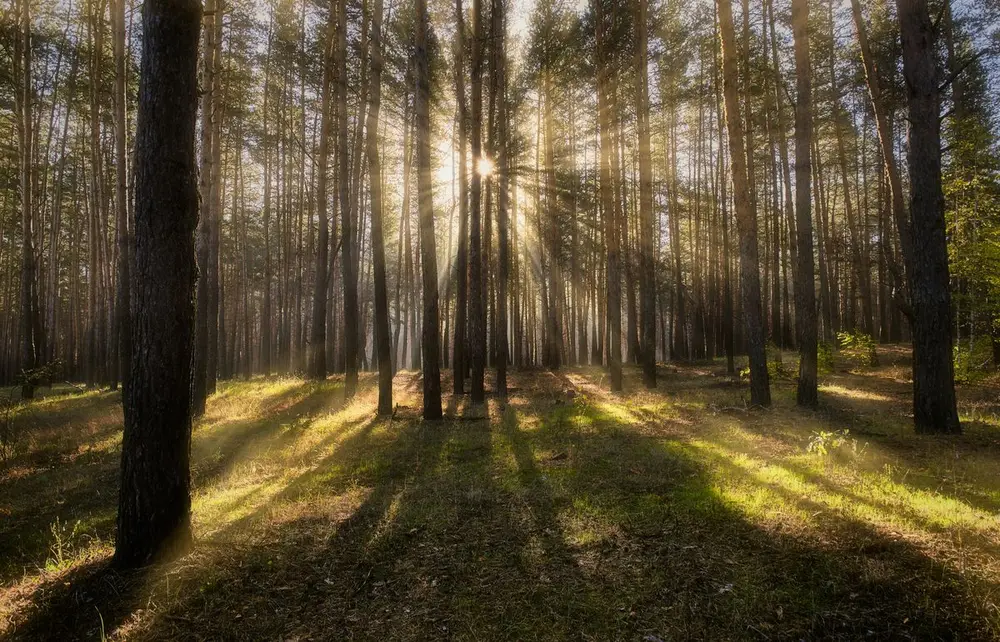
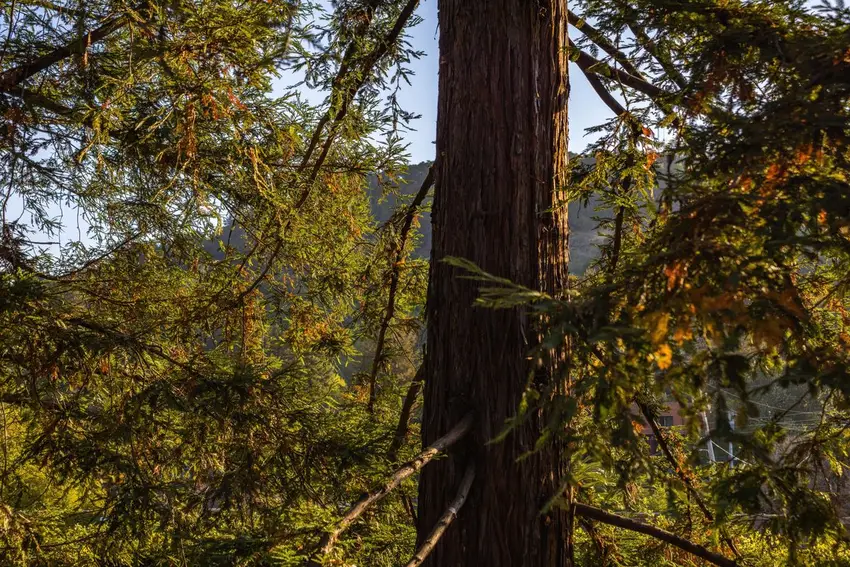
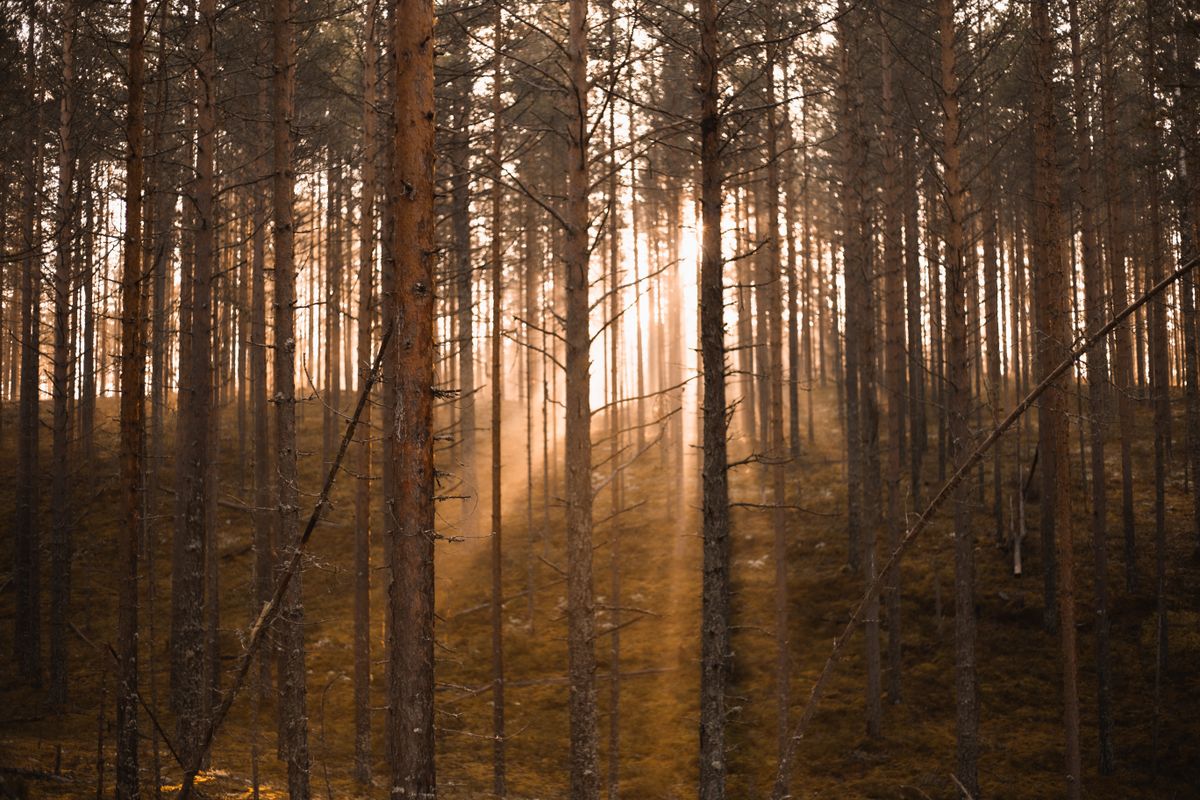
Water at the drip line and beyond — a soaker hose coiled in two or three rings under the canopy, or a hose moved around the root zone in stages, never one spot at the base.
Tree watering in Cambria, water that reaches the roots
Quick answer: Tree Watering in Cambria, CA — A stump is the part of the problem that is still in the ground: it holds the roots that lift pavement, keeps a species alive if it re-sprouts, and occupies the spot where the next planting goes. Grinding removes it below the surface so the ground can be worked again, and the roots that matter are the ones under the driveway rather than the ones beside the trunk.
- Typical timing: Any month the ground is workable; rain-softened soil grinds fastest and leaves the cleanest spoil.
- What it involves: Assessing re-sprout risk by species, grinding below grade, raking the spoil back, and handling surface roots separately from the stump.
- The standard: ISA guidance on root cutting and the ANSI A300 pruning standard where roots and crown are worked together.
- Where we work: Cambria, San Simeon, Harmony, Cayucos, Morro Bay, Los Osos and the Cambria pine belt.
- Our own record: 503 pages and 291 stories published on this site. Counted from our own archive, not a stock table.
Field note. On this coast the stump is rarely the end of the job: Monterey pine and eucalyptus both keep enough energy in the roots to push new growth, so we are looking at the species before we quote the grind rather than after.
On the other hand, a stump left in a garden bed is sometimes the better answer — it decays, feeds the soil and costs nothing — so grinding is a choice, not a rule.
Standards and sources: Pest and root guidance (UC IPM — University of California pest management) · Root and pruning standards (ISA — International Society of Arboriculture)
Prepared by Cambria Pines Tree Service Inc. — ISA-certified arborists working on the Central Coast.
The Hose Is Pointing at the Wrong Place
Most of the watering that hurts a tree on this coast is done with the best intentions and a hose aimed at the trunk. Tree deep watering is a different act: a large volume of water delivered slowly, out at and beyond the drip line where the roots that actually drink are, followed by enough time for the soil to drain and dry before you do it again.
Ten minutes at the base of a pine wets the top inch and reaches nothing; an hour spread across the root zone at a trickle reaches the roots that matter.
Where the Roots Really Are
The picture almost everyone carries around — a tree standing on a carrot — is the most expensive misunderstanding in garden watering. A tree's supporting roots spread outward, not downward, and the fine absorbing roots that take up water live in roughly the top foot of soil across an area that usually reaches well past the branches.
- The drip line is the middle of the root zone, not the edge. On an established coast live oak or a big Monterey pine the roots commonly extend two to three times the height of the tree outward, and the densest absorbing roots sit just inside and just outside the canopy edge.
- The topsoil is where the water has to go. Watering deep does not mean watering a hundred feet down. It means wetting the shallow soil profile thoroughly instead of damping its surface.
- Roots need air in the same soil. Ground that stays saturated has no oxygen in it, and roots die in it. Over-watering kills far more trees here than drought does.
Doing Tree Deep Watering Properly
The method matters as much as the volume. What we do, and what you can copy:
Cycle and soak. Run the water until the surface stops taking it in, wait, then run it again. Soils here are often shallow over a heavier layer, and a single long soak simply runs off the slope.
Check the depth, not the clock. Push a stiff rod or a soil probe in afterwards. If it stops eight inches down, you watered eight inches. That is the only honest measurement.
Then leave it alone. Let the top few inches dry before the next cycle. Frequency, not volume, is what damages trees.
Mulch the root zone. A wide, shallow layer of tree-work mulch keeps soil cool, slows evaporation and holds the structure the water needs.
What the Fog Changes
Cambria does not have an inland summer. Fog drip off the pines and cypress adds real moisture to the soil through July and August, and coastal ground stays cooler than the thermometer suggests. A coastal garden tree therefore usually needs less irrigation than its inland cousin, and a thirsty tree on the coast is more often a compacted or root-damaged tree than a dry one.
When a tree here is genuinely short of water, the cause is frequently mechanical: a root zone that has been paved, filled or re-graded. That is the problem root-zone remediation exists to solve, and watering alone will not fix it.
Reading a Thirsty Tree
If the symptoms appear only on the side facing the wind or the pavement, suspect the root zone before you suspect the water.
- Early signs: dull, grey-green foliage; leaves that hang flat instead of standing; browning edges on the outer canopy; smaller leaves than last year.
- Later signs: dieback from the branch tips inward, a thinning crown, and on pines a dull sheen with short needles and resin.
- Not this: a deciduous tree that drops its leaves in its normal season is behaving, not dying. It does not need rescuing from its own calendar.
The Exception: the Oaks You Must Not Water in Summer
Coast live oak and valley oak are the trees on this coast that most often die from kindness. They evolved with a wet winter and a dry summer, and their roots are built for summer drought. Adding summer water to an oak's root zone encourages the root and crown pathogens that kill mature oaks, and the damage is usually invisible for years before it shows.
If you have an oak, the rule is the opposite of the one for your garden beds: no summer irrigation in the root zone, no new lawn over roots that were dry, and no soil piled against the trunk. Our oak preservation work exists for exactly this, and if you are not sure which of your trees are native oaks, ask before you turn the water on.
Getting the Water Right on Your Own Trees
If you cannot tell whether a tree is short of water, over-watered, or standing in soil that has been damaged, the answer is in the ground and the roots rather than the hose. Tell us the species if you know it, how the ground around the tree has changed since you have owned it, and what you have been doing for water. We will tell you plainly which of the three it is.
Call (805) 927-4414 or use our contact page to arrange a visit, and see our tree care services for the rest of what we do.
Next step
Ready when you are.
Questions, quotes, or just exploring — we’re here to help.