

Tree Trimming & Pruning in Atascadero, CA
Atascadero — this is the coast these pages are about.
Quick answer: Tree Trimming in Atascadero, CA — Pruning is a plan before it is a cut: deadwood and broken limbs first, then clearance from roofs, wires and paths, then the structure the tree will carry for the next decade. The right cut heals and the wrong one invites decay, which is why the order matters more than the number of cuts.
- Typical timing: Structural work in the dormant months, light clearance and deadwood any time the tree is not under stress.
- What it involves: Removing dead and crossing limbs, thinning to let light through, lifting low limbs for clearance, and never topping a tree.
- The standard: The ANSI A300 pruning standard as applied by ISA-certified arborists — including the three-cut method on every limb worth saving.
- Where we work: Cambria, San Simeon, Cayucos, Morro Bay, Los Osos and the towns between.
- Our own record: 503 pages and 291 stories published on this site. Counted from our own archive, not a stock table.
Field note. What we see on this coast is a pruning calendar that does not match the inland one: salt air, fog and wind mean a cut that would be minor in the valley can be the one that opens a crown to decay here, so we look at the species and the exposure before the season.
On the other hand, not every tree wants to be pruned: leaving a healthy canopy alone is a decision that pays, and a tree with plenty of space is often better served by doing nothing.
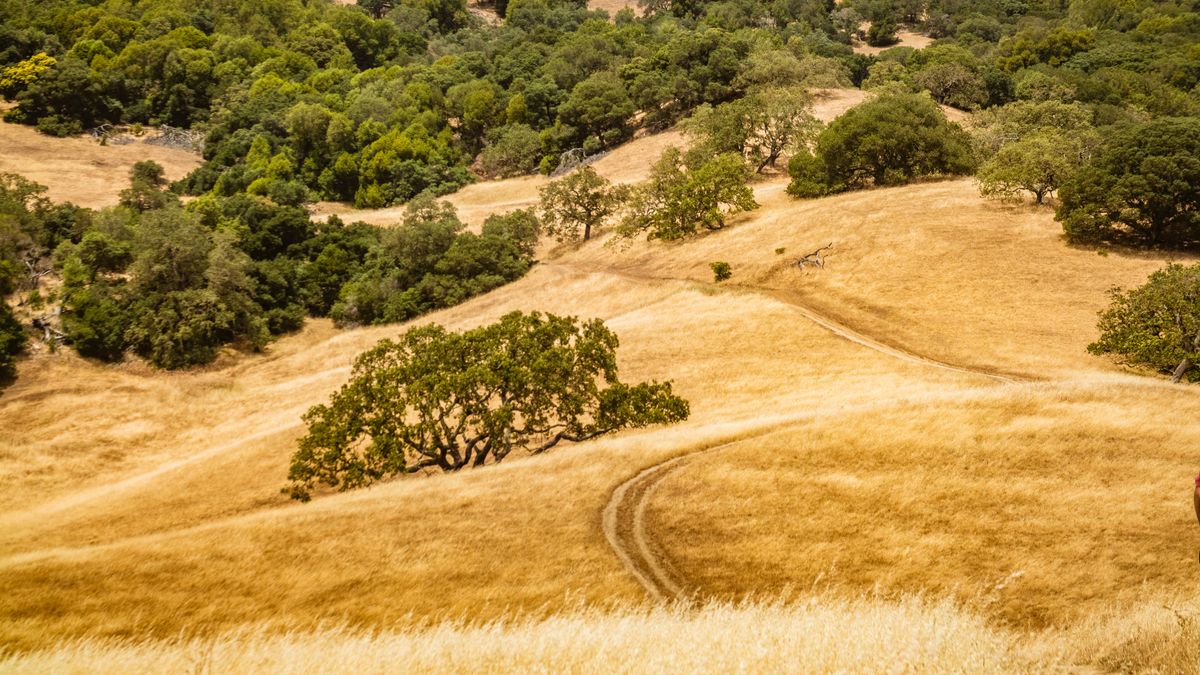
Nine months of heat and six weeks of frost, on clay, in the middle of oak country — that combination sets the pruning calendar for Atascadero more firmly than anywhere on the coast. A cut made in the wrong season here is a wound the tree has no spare water and no spare energy to close. A cut made in the right one buys structure for twenty years.
And because so much of the canopy here is oak, which has its own rules and its own diseases, the difference between those two outcomes is mostly a matter of timing rather than technique.
Oaks: what, when, and why the window is narrow
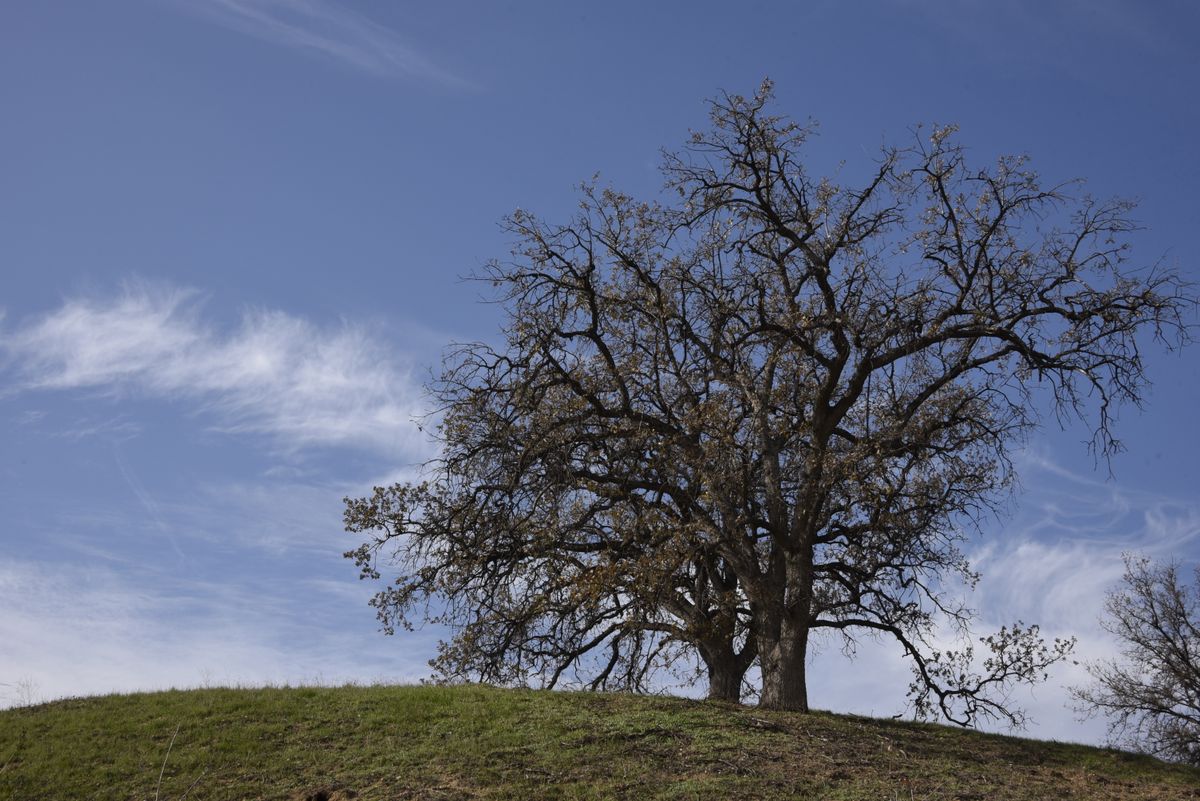
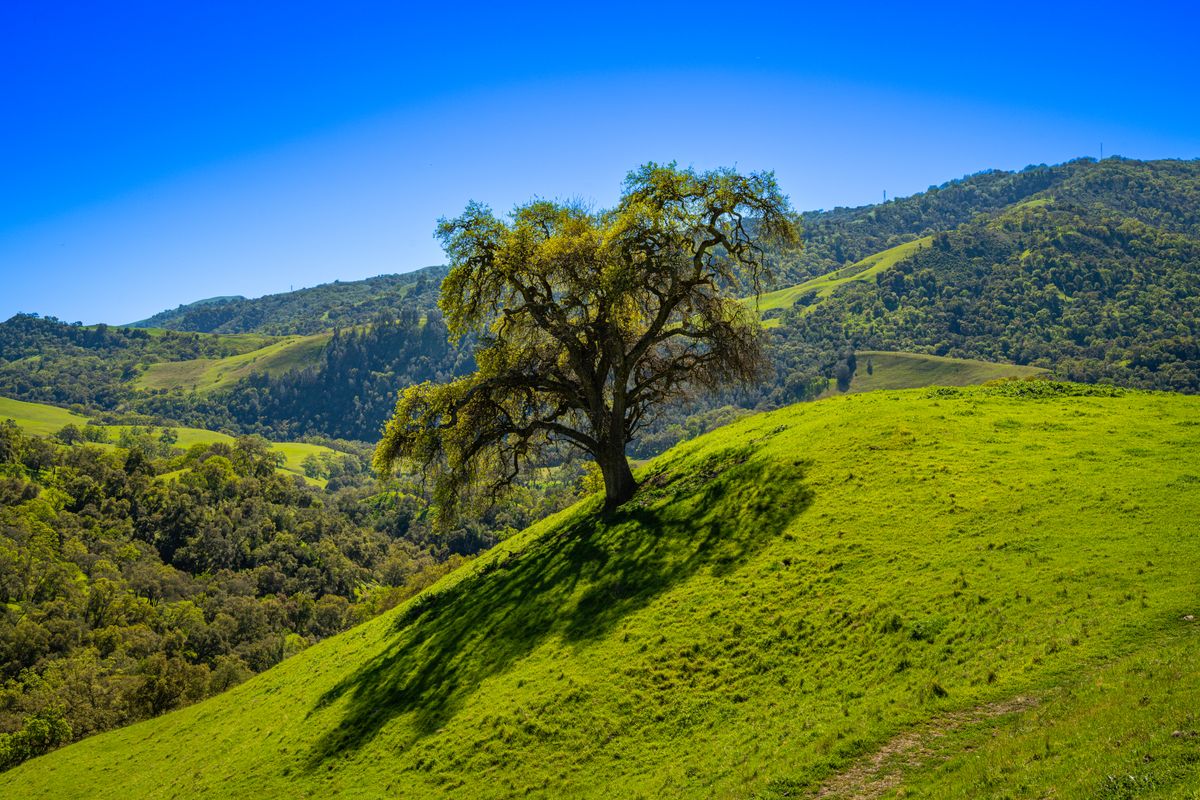
Coast live oak, blue oak and valley oak all grow on stored reserves and shut down through the hot, dry months. The dormant season — late autumn through winter, after the leaves are down on the deciduous species and before the spring push — is when a significant cut costs the tree least and when the risk of the oak-specific disease problems is lowest.
Summer pruning of a mature oak here is not a stylistic choice; it removes foliage the tree needs to survive August and leaves a wound exposed in the hottest, driest months. The exception, as always, is hazard work: a dead limb over a driveway comes out when the schedule says so, not when the calendar does.
Pines, and the reason to be careful with them now
The pines around Atascadero are a resource that has been shrinking for a decade, most of it lost to beetles during and after the drought. A declining pine is not improved by pruning; it is stressed by it, and every cut is an invitation at a time when the tree's resin defence is low.
So on pines the work here is limited deliberately: deadwood out of healthy trees in the dormant window, clearance where it is genuinely required, and no green-limb thinning on anything that looks tired. If a pine's crown is thinning and the bark is starting to show signs of beetle attack, the honest answer is often an assessment rather than a pruning quote.
What the property actually needs
Most rural and semi-rural parcels here want a structural pass every three to five years, with an annual walk in between. That pass is about the things that fail: codominant stems in the oaks that have grown into a house, deadwood in the crowns, limbs that have grown over a roof or a drive, and the clearance lines around the buildings before fire season.
On the commercial frontage and in town, the same work has a different specification — clearance over the sidewalk and the sign, sight lines at the driveway, and the shape of the tree kept so it does not need to be hacked back next year. Both versions are cheaper on a cycle than as a reactive job, and the reactive version is also the one that ends up removing a tree that pruning could have kept.
Two local details that matter
Cuts on oak are best left unpainted — the old practice of sealing a pruning wound with tar traps moisture and can make things worse — and a clean cut made at the branch collar is what the tree actually needs.
And in the frost pocket that parts of this valley become in January, fresh cuts on a marginally hardy species can be damage waiting to happen; the trees that have been here longest are the ones planted on the right ground, and pruning should respect the same logic rather than fight it.
Field note — Margot Thackeray prunes for the tree's next twenty years: the smallest cut that answers the question, made at the moment in the year the tree can afford it.
Questions, quotes, or just exploring — we’re here to help.