

Tree Risk Assessment in San Simeon, CA
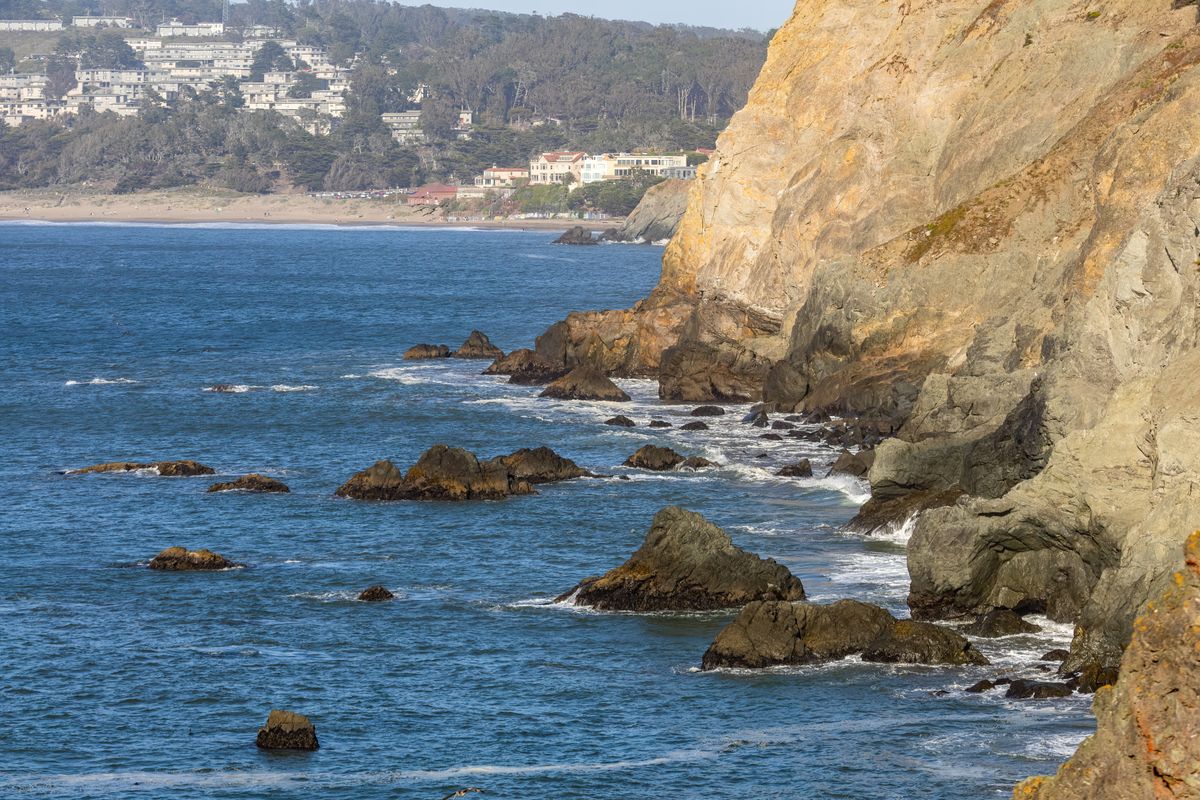
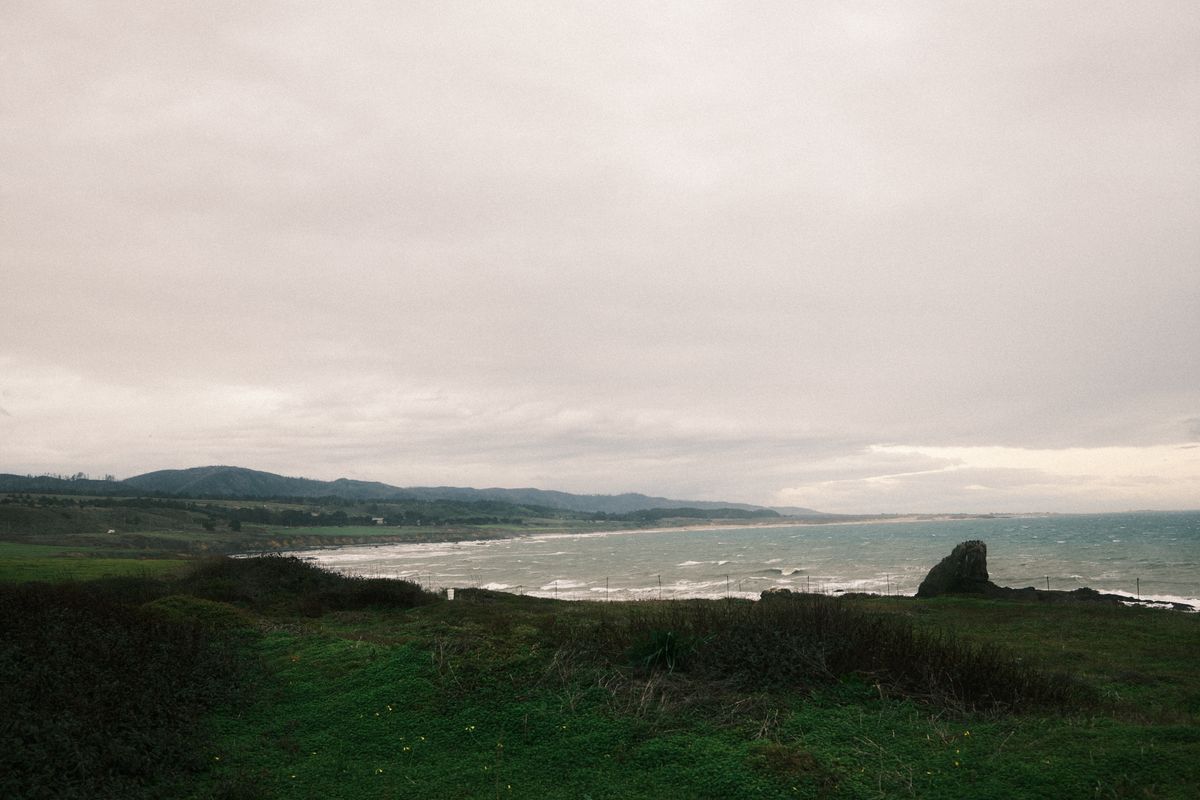
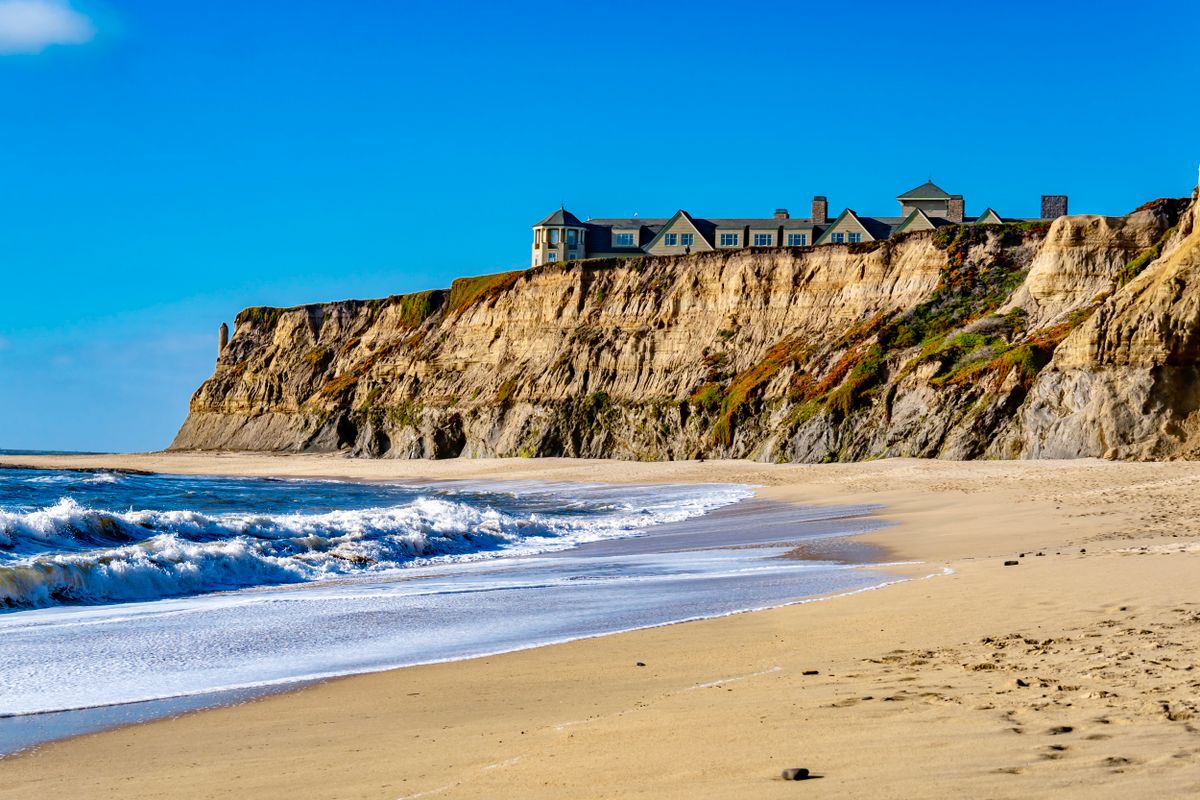
San Simeon — this is the coast these pages are about.
Quick answer: Tree Risk Assessment in San Simeon, CA — Trees on this coast live with fog, salt, wind and thin soil, and the work that keeps them healthy is decided by those conditions rather than by a calendar written inland. Structure, clearance and the root zone are what a tree here needs looked at, and small work done early is what keeps a tree out of the emergency list.
- What it involves: Structural pruning, clearance from structures and wires, deadwood removal, root-zone care and hazard assessment.
- Typical timing: Structural work in the dormant months; deadwood, clearance and hazard work whenever the tree needs it.
- The standard: The ISA standards for pruning and tree risk assessment, applied by ISA-certified arborists.
- Where we work: Cambria, San Simeon, Harmony, Cayucos, Morro Bay, Los Osos and the Cambria pine belt.
- Our own record: 503 pages and 291 stories published on this site. Counted from our own archive, not a stock table.
Field note. What we see on this coast is that the trees people worry about are usually not the ones in trouble: the pine with a clean crown and a lean that predates the house is often sounder than the tidy tree that has been quietly drowning in its own root zone.
On the other hand, there is no schedule that suits every tree — the same species on two sides of one street can need opposite care, which is why we look before we recommend.
Risk assessments on this stretch of coast begin with an uncomfortable honesty: the trees here live in the most demanding wind environment on the route, and a wet winter can saturate ground that had been holding a root plate on friction alone.
Two hundred and fifty years of recorded history on this coast also includes a magnitude-6.5 earthquake centred here in December 2003 — a reminder that the loads a tree is asked to survive are not only the ones that arrive every winter. An assessment cannot make those things go away. What it can do is tell you which tree, on which ground, over which target, deserves action now.
The three parts, and the local weighting
Target. What the tree would hit and how often someone is there — the bedroom, the parking space, the walkway between the inn and the beach, the service drop, the highway frontage.
On a lot with a short-term rental, the occupancy pattern is part of the target analysis, not a detail. Likelihood of failure, over a stated period: the size and position of any hollow, the condition of the fork, the state of the root plate on the ground it is actually standing in, and the tree's own history of shedding. Consequence: what breaks, what it costs, who is inconvenienced and for how long.
On a coast where the only road is Highway 1, a tree across the access has a consequence that has nothing to do with its diameter.
What we examine on a coastal cypress
The base and the flare first, since a hollow that has reached the outside is no longer a matter of opinion, followed by the forks — codominant unions with included bark are the classic failure in cypress, and canker may have killed half a union without changing the silhouette. The root plate gets read against its ground: saturated sand, a bluff lip, a creek bank, or fill that was placed decades ago.
Then the crown, separating what the wind has pruned from what disease has killed, because those two look similar from a distance and have completely different implications. Where the wood inside a stem decides the answer, we take a sample or scan it, and the report states what instrument answered which question.
The report, and what it is for
The output names the tree, the target, the defects, the likelihood and consequence ratings, and one recommended action with a date: reduce within twelve months, remove before the next wet season, support with an annual inspection, or re-inspect after the winter. It is written so that another arborist could dispute a line rather than the whole opinion, which is what makes it usable with an insurer, a lender, a guest's claim, or a county file.
And it states its limits. An assessment describes a living thing on one day, in a place where the weather does not respect the calendar. No honest arborist warranties a coastal cypress through a wet January — and the report that promises it is selling certainty rather than describing risk.
Field note — Clara Young writes risk as a budget: what each option costs today, what it costs every year after, and how many winters it buys before the question comes back.
Questions, quotes, or just exploring — we’re here to help.