

Erosion Control in San Simeon, CA
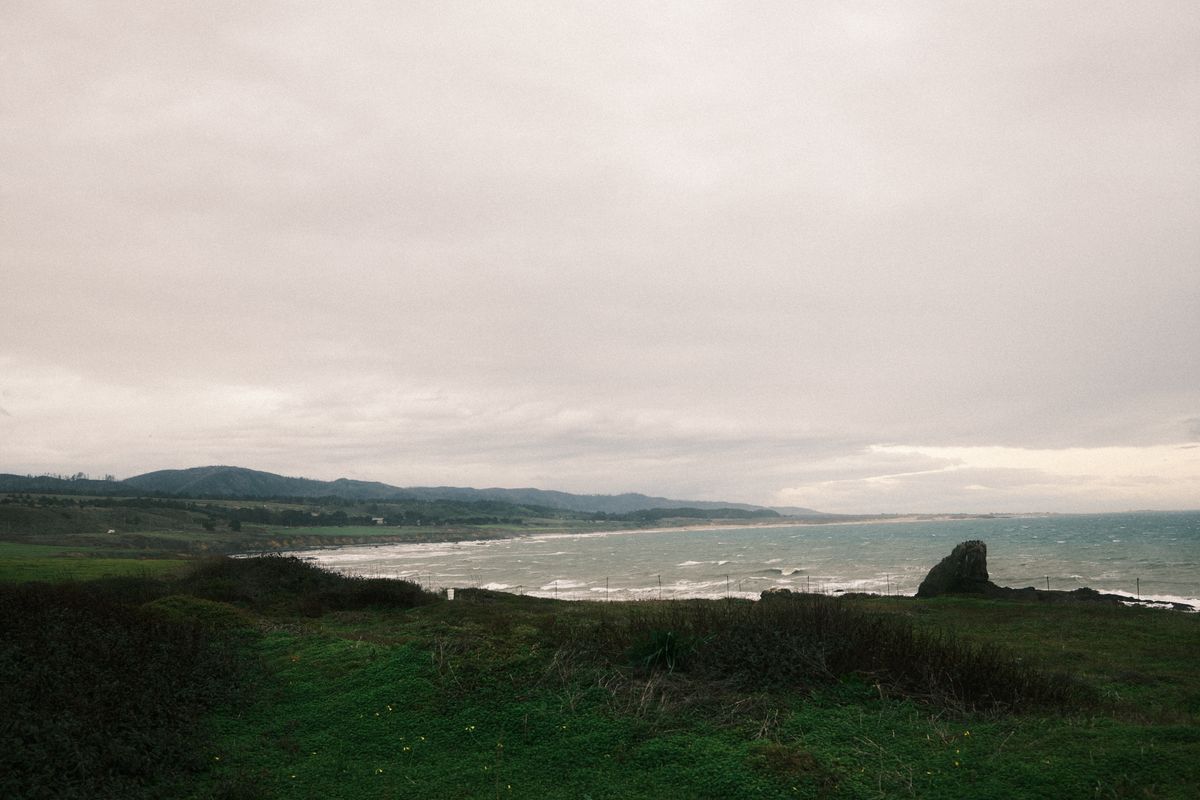
San Simeon — this is the coast these pages are about.
Quick answer: Erosion Control in San Simeon, CA — Trees on this coast live with fog, salt, wind and thin soil, and the work that keeps them healthy is decided by those conditions rather than by a calendar written inland. Structure, clearance and the root zone are what a tree here needs looked at, and small work done early is what keeps a tree out of the emergency list.
- What it involves: Structural pruning, clearance from structures and wires, deadwood removal, root-zone care and hazard assessment.
- Typical timing: Structural work in the dormant months; deadwood, clearance and hazard work whenever the tree needs it.
- The standard: The ISA standards for pruning and tree risk assessment, applied by ISA-certified arborists.
- Where we work: Cambria, San Simeon, Harmony, Cayucos, Morro Bay, Los Osos and the Cambria pine belt.
- Our own record: 503 pages and 291 stories published on this site. Counted from our own archive, not a stock table.
Field note. What we see on this coast is that the trees people worry about are usually not the ones in trouble: the pine with a clean crown and a lean that predates the house is often sounder than the tidy tree that has been quietly drowning in its own root zone.
On the other hand, there is no schedule that suits every tree — the same species on two sides of one street can need opposite care, which is why we look before we recommend.
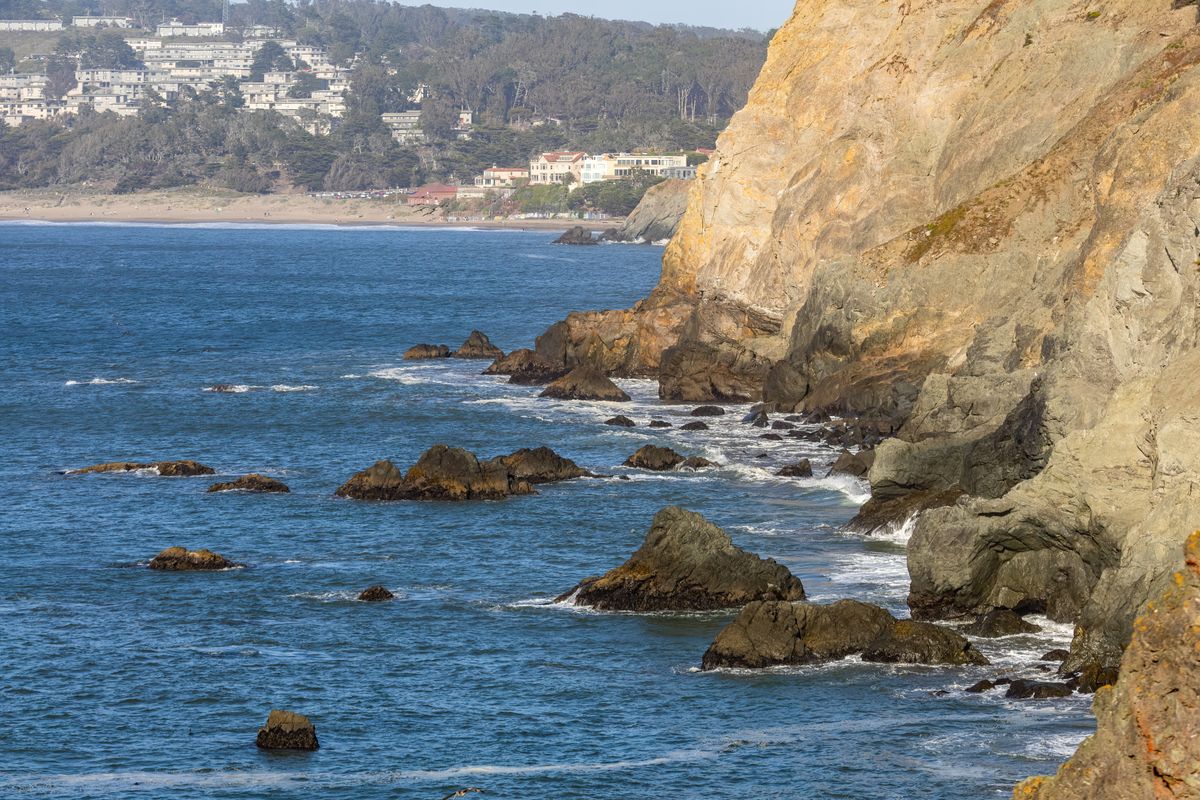
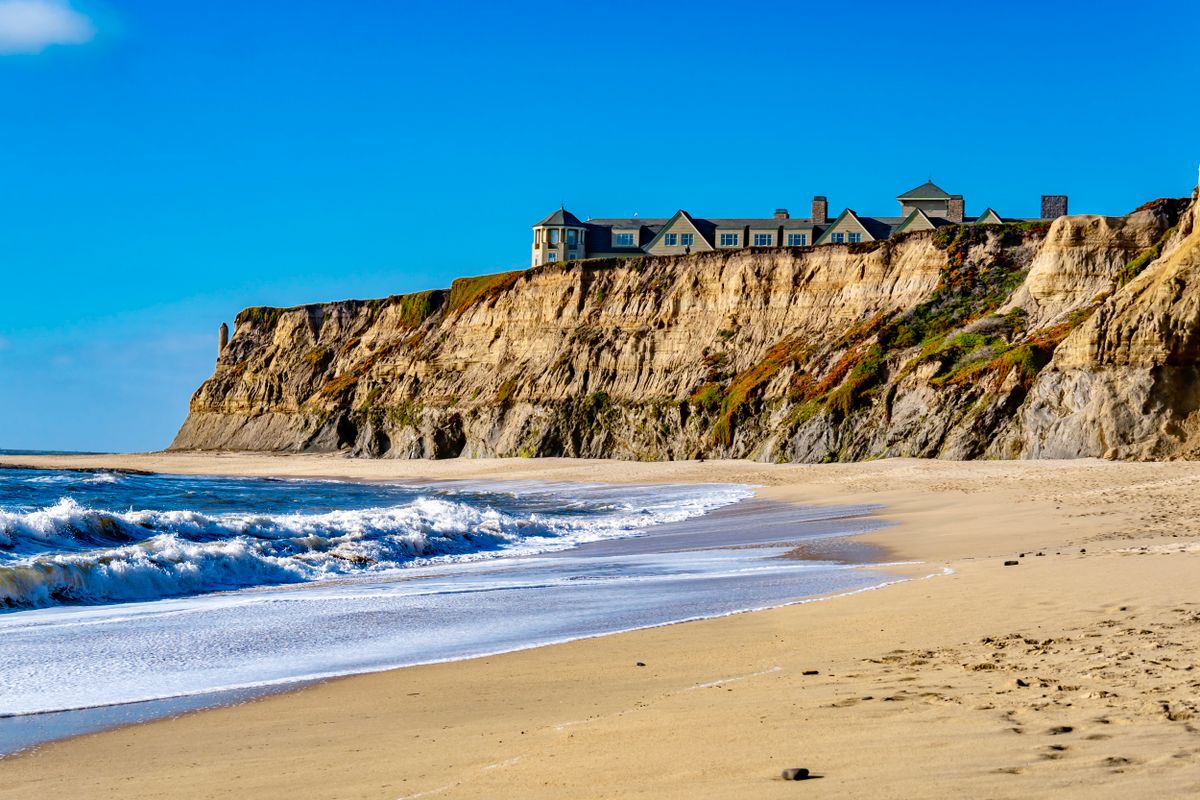
Two things make erosion work on this coast its own discipline. The first is that the shoreline here is retreating, not because of a single storm but because of the ordinary business of waves arriving at a bluff that was never permanent.
The second is San Simeon Creek, which runs to the sea through the middle of the community and is a monitored corridor — a lagoon at its mouth, gravel and steelhead habitat upstream, and a regulatory interest that follows the water. Work on a slope here has an audience, and the honest approach starts with where the material will end up rather than only with what is slipping.
Read the water and the bluff together
On the bluff-top lots the failure is usually driven from above before the sea takes a hand. Roof downspouts discharging at the edge, a driveway draining toward the drop, irrigation overwatering a strip that then dries and cracks, a path worn into the lip so the runoff leaves the property as a channel: all of them load the face with water it was not designed to absorb, and water on a bluff edge is what finds the weak layer first.
Those sources get intercepted and aimed inland, along a gradient, to be dispersed where the ground can take it. On the creek side the question is different: keep the banks covered and rooted, protect the gravel, and keep the fine sediment out of the lagoon.
Roots are the structure
This is why tree work and erosion work belong to the same conversation on the coast. A cypress on the bluff edge is not merely a tree standing there; its root system is reinforcement for the soil behind the lip, and when it comes out, the bank is immediately less stable than it was.
So a removal near any drop is planned with the replacement in mind: leave the stump and the structural root mass where it is doing useful work, take the crown that is the actual hazard, and plant the face densely with material that roots aggressively and stays green through summer — local shrubs and grasses, not lawn.
It is also why we push back on the tidy version of a clearing: the bare, graded, photographed slope is often the first chapter of the problem rather than the solution to it.
What works, and what only moves the problem
Dense native cover, planted and protected while it establishes, does most of the job; mulch and erosion blankets hold the surface in the meantime; brush layering and live cuttings work on the steeper faces and finish looking like a bank rather than a construction site.
Where the fix is genuinely structural — a designed toe, a seawall question, a creek crossing — that belongs to an engineer, and we will say so rather than improvise something that fails in the third winter.
What we avoid is the shortcut that relocates the damage downstream: bare earth with no cover, rip-rap pitched over a failing face, a channel that simply moves the problem to the property below, or material into the creek that the lagoon then has to absorb.
The sequence after a removal
Stabilise what is exposed, get cover onto the bare ground before the season turns, and schedule the replacement planting for the dormant window when it will actually take. Left bare through one wet winter, the same ground needs more than planting — and the soil it loses ends up somewhere nobody wanted it, which on this stretch is usually either the creek or the beach below.
Field note — Samuel Delacroix reads a slope as a record of weather: where the water went last winter is where it will try to go again, and the tree that held that corner was doing a job worth replacing rather than merely removing.
Questions, quotes, or just exploring — we’re here to help.