


Fire Clearance & Defensible Space in San Simeon, CA
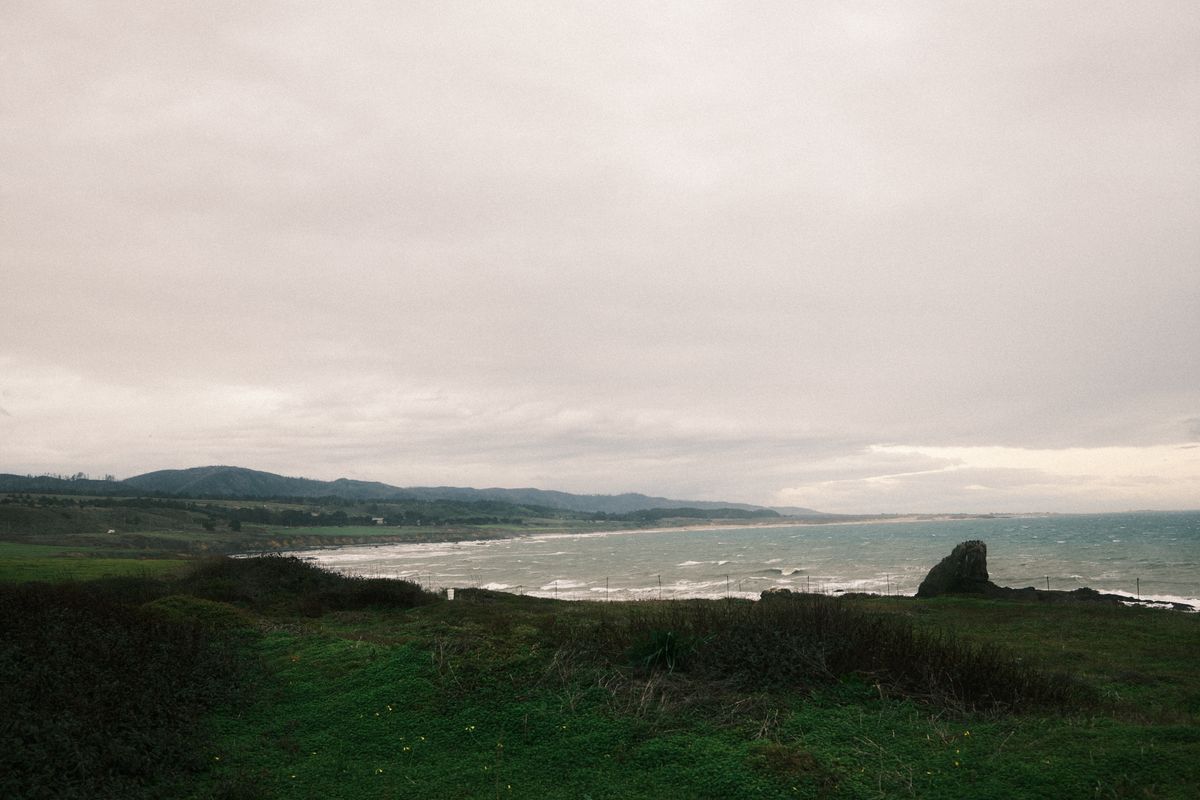
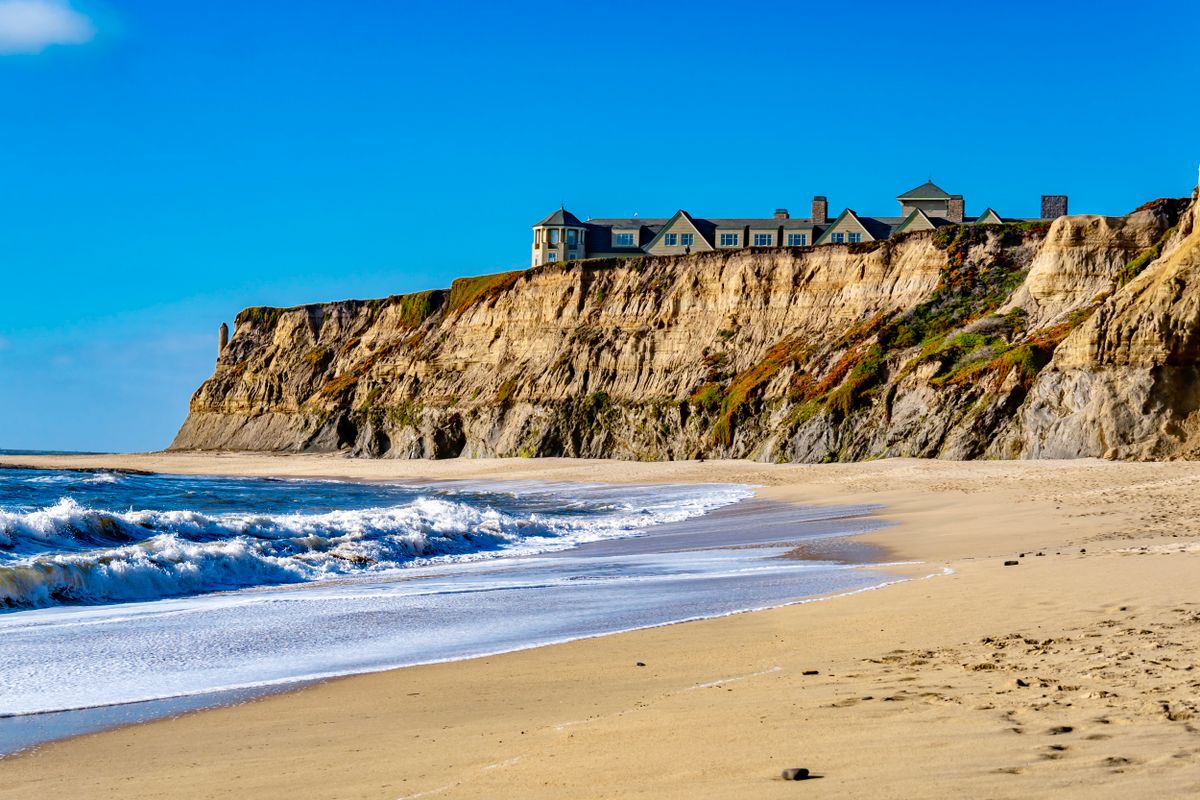
San Simeon — this is the coast these pages are about.
Quick answer: Fire Clearance in San Simeon, CA — Defensible space is the work that decides what a fire has to burn between the wildland and the house: dead material out, ladder fuels separated, and the tree you keep limbed up rather than removed. It is measured in zones from the structure, and the first few feet are the ones that matter most.
- Typical timing: Best done in the cool months so the debris is gone before the dry season; clearance rules apply year-round.
- What it involves: Removing dead and dying material, separating shrubs from low limbs, limbing trees near structures, and keeping the roof and gutters clear.
- The standard: Cal Fire's defensible-space guidance for the first 100 feet, applied to the trees a property actually has.
- Where we work: The wooded parts of Cambria, San Simeon, Harmony and the surrounding ranch country.
- Our own record: 503 pages and 291 stories published on this site. Counted from our own archive, not a stock table.
Field note. What we see on this coast that surprises people is how much of the fuel load is low: the limb at four feet and the brush beneath it carries fire into a canopy that would otherwise survive, so the work is often lifting rather than felling.
On the other hand, over-clearing has its own cost — bare ground erodes, and the wind that comes with the fog belt is harder on a thinned stand than the fire risk it removes.
The San Simeon coast burns on grass, not on forest. The fuel that carries a fire through this stretch is the annual grass that cures by May and stands through the summer, driven by an afternoon wind that can push a front faster than a person can walk — and the structures in its path are scattered: a handful of homes, an inn, the store and pier buildings, a state park's facilities.
That geography dictates what defensible space looks like here, and it is less about trees than most people expect.
Where the intensity comes from
Grass fires move fast and burn at low intensity until they meet something with mass. The dangerous transition on a coastal property is the moment a ground fire reaches a shrub, a woodpile, a dead windfall, or the dead lower limbs of a cypress — at which point the fire's intensity rises, it begins to throw embers, and those embers start landing on roofs and in gutters.
Which means the work is: manage the grass in bands around the structures and along the access, break the ladder by lifting lower limbs on retained trees and taking the dead material out of the shrubs, and remove the staged fuel — the pruned material behind the shed, the stack of windfall wood under the trees, anything with mass that a ground fire can reach and use.
The roof and the gutter line
On this coast, the single most common way a structure ignites from a nearby fire is embers landing on accumulated needles and leaves: on the roof, in the gutters, in the valley where two roof planes meet, and in the corners where a deck meets a wall. Clearing that is unglamorous, it is annual, and it does more than any amount of vegetation management done in the same week as the first red flag warning.
We clear roofs and gutters as part of the defensible-space pass and photograph the result, because that record is what shows a job was done rather than promised.
What we will not do, and why
We will not scrape ground bare. Beyond the soil and erosion consequences on sandy coastal ground, it is counterproductive: bare soil grows a fresh crop of weeds that then dries in place, and you are back to mowing fuel with no structure beneath it.
Managed grass, mulch and a maintained arrangement of vegetation is what defensible space actually is — and it is a recurring programme, not a project. A parcel cleared three years ago and then left alone is, functionally, an uncleared parcel with taller fuel.
Timing and the record
The window is from the end of the wet season into early summer, with a shorter check before the autumn wind events; cutting in the dry season means sparks, so it happens early in the day or it waits. Cut material leaves the parcel rather than being stacked at a fence line, where it becomes fuel staged exactly where an ember can find it.
And everything is written down and photographed — before, after, what was removed — so the work can be shown to an insurer, a landlord or an agency without relying on anyone's recollection.
Field note — Olivia Whitmore reads the ground before quoting the rule: what is actually going to burn here, where it will try to travel, and which single change buys the most time for the least disruption.
Questions, quotes, or just exploring — we’re here to help.