

Tree Cabling & Bracing in San Simeon, CA
Tree Cabling & Bracing
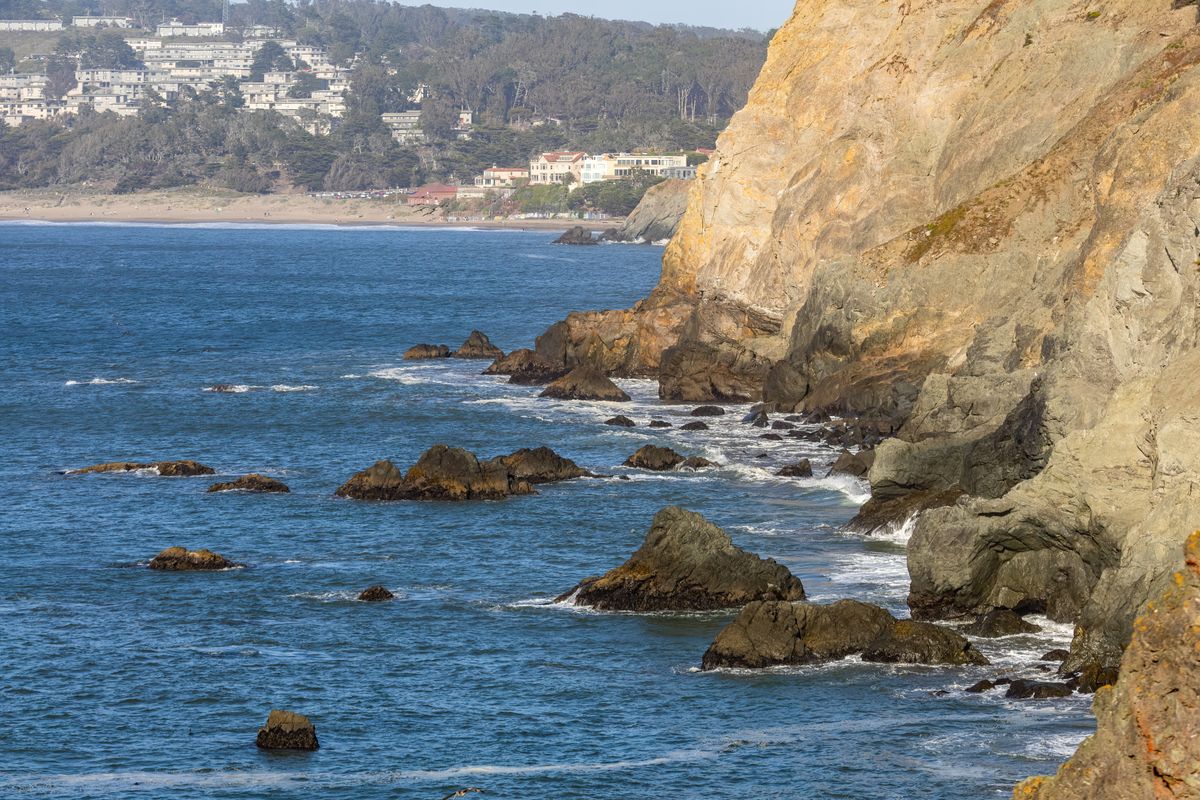
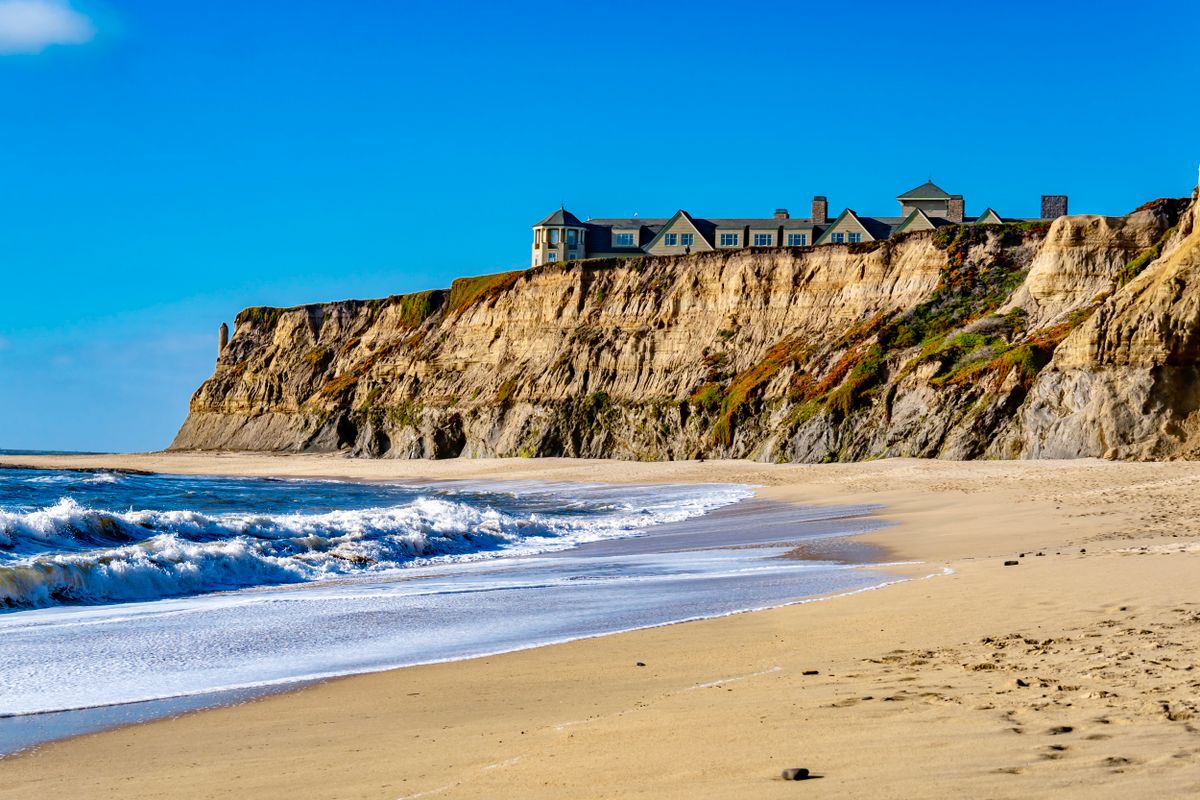
San Simeon — this is the coast these pages are about.
Quick answer: Tree Cabling & Bracing — Trees on this coast live with fog, salt, wind and thin soil, and the work that keeps them healthy is decided by those conditions rather than by a calendar written inland. Structure, clearance and the root zone are what a tree here needs looked at, and small work done early is what keeps a tree out of the emergency list.
- What it involves: Structural pruning, clearance from structures and wires, deadwood removal, root-zone care and hazard assessment.
- Typical timing: Structural work in the dormant months; deadwood, clearance and hazard work whenever the tree needs it.
- The standard: The ISA standards for pruning and tree risk assessment, applied by ISA-certified arborists.
- Where we work: Cambria, San Simeon, Harmony, Cayucos, Morro Bay, Los Osos and the Cambria pine belt.
- Our own record: 503 pages and 291 stories published on this site. Counted from our own archive, not a stock table.
Field note. What we see on this coast is that the trees people worry about are usually not the ones in trouble: the pine with a clean crown and a lean that predates the house is often sounder than the tidy tree that has been quietly drowning in its own root zone.
On the other hand, there is no schedule that suits every tree — the same species on two sides of one street can need opposite care, which is why we look before we recommend.
Supporting a tree on this stretch of coast is a commitment to a maintenance programme, not a one-off repair, and it is worth being blunt about why: the load environment here is the most demanding on the route. A cypress that has grown into a wind-shaped sculpture has done so by shedding the parts that could not take it, and a fork that has survived sixty winters is either genuinely strong or quietly on its way out.
Hardware installed on the second kind of fork is not support, it is a delay with a maintenance contract attached.
Where support genuinely helps
Three situations qualify. A codominant union with included bark — two leaders of similar size growing from one point with a seam between them — is the classic cypress case; a cable high in the crown limits how far the two can split. A storm-damaged union that can be drawn back together and braced, where the surrounding wood is sound.
And a long limb over a building whose end weight cannot all come out in one season, supported while a reduction cycle runs over several years. All three share one requirement: the defect has to be at an attachment with sound wood around it. A cable cannot hold a stem with a hollow in it, and on old coastal cypress the hollow is often exactly where the hardware would need to anchor.
Installed to survive this coast
The standard is ANSI A300 Part 3, and the local twist is corrosion. Salt air attacks hardware faster than any inland site, so the fittings are stainless or properly galvanised, sized for the load, and installed with the crown reduced first wherever pruning can take load off the union.
Bracing is through-bolted where a rigid brace is called for rather than threaded rods through bark, and the anchors go high enough in the crown to actually limit movement — a cable placed too low does very little except look reassuring. The tree is pruned before the cable goes in, every time; supporting a load that could simply have been removed is money spent to buy nothing.
The annual inspection, and the exit
Every supported tree here goes onto a schedule the day the hardware goes in: tension checked, corrosion looked at every year rather than every three, the union re-read for cracking, and replacements made on the manufacturer's intervals. On this coast the wind will find any weakness in the programme long before it finds one in the steel.
And there is an exit point: when the wood around the defect has declined past what the support can protect, or the tree has grown beyond what the hardware can sensibly hold, the honest recommendation is a removal — planned, in the calm season, with the shade and shelter the tree provided accounted for rather than discovered afterwards.
If a tree on your lot is worth keeping and has a fork worth worrying about, the sequence is straightforward: an assessment first, support only if it qualifies, and a written annual inspection that outlives whoever installed it.
Field note — Elena Quinn reads trees as structures: support is engineering, the failure point is one component, and a safety factor nobody maintains is just a story people tell about a tree.
Questions, quotes, or just exploring — we’re here to help.