



Stump Grinding in San Simeon, CA
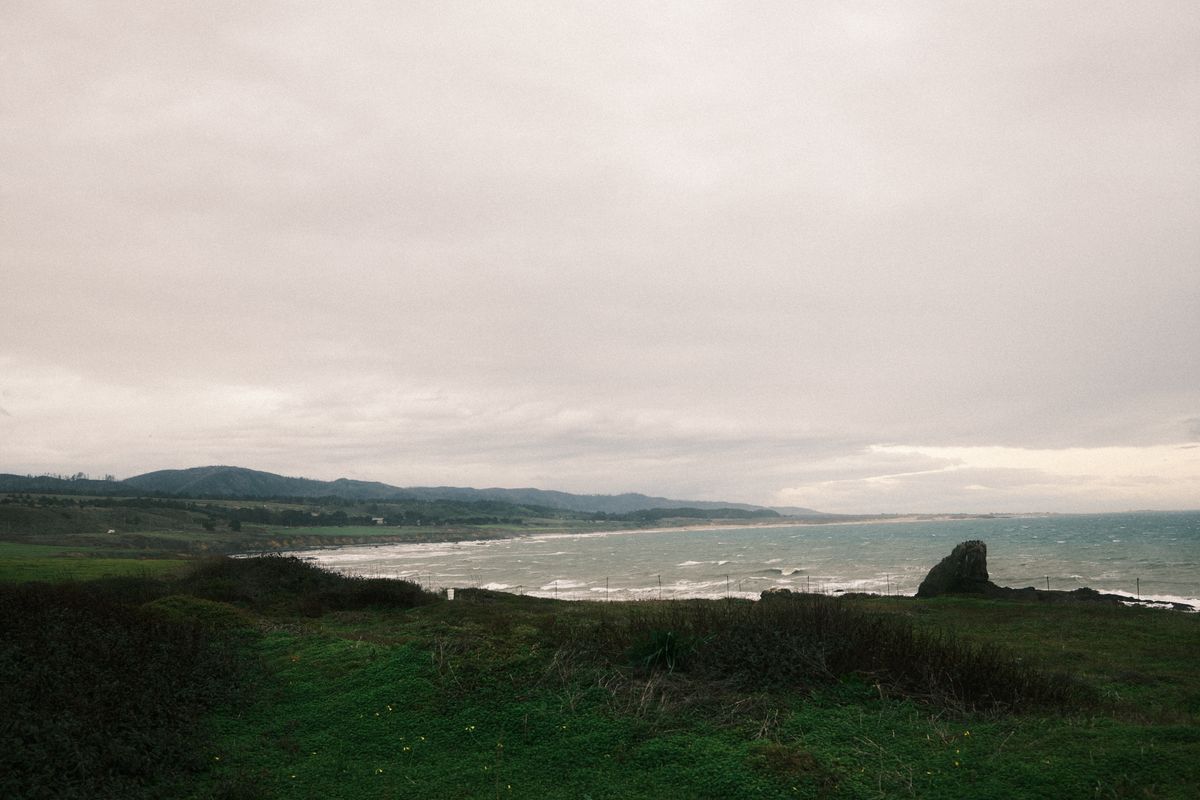
San Simeon — this is the coast these pages are about.
Quick answer: Stump Grinding in San Simeon, CA — A stump is the part of the problem that is still in the ground: it holds the roots that lift pavement, keeps a species alive if it re-sprouts, and occupies the spot where the next planting goes. Grinding removes it below the surface so the ground can be worked again, and the roots that matter are the ones under the driveway rather than the ones beside the trunk.
- Typical timing: Any month the ground is workable; rain-softened soil grinds fastest and leaves the cleanest spoil.
- What it involves: Assessing re-sprout risk by species, grinding below grade, raking the spoil back, and handling surface roots separately from the stump.
- The standard: ISA guidance on root cutting and the ANSI A300 pruning standard where roots and crown are worked together.
- Where we work: Cambria, San Simeon, Harmony, Cayucos, Morro Bay, Los Osos and the Cambria pine belt.
- Our own record: 503 pages and 291 stories published on this site. Counted from our own archive, not a stock table.
Field note. On this coast the stump is rarely the end of the job: Monterey pine and eucalyptus both keep enough energy in the roots to push new growth, so we are looking at the species before we quote the grind rather than after.
On the other hand, a stump left in a garden bed is sometimes the better answer — it decays, feeds the soil and costs nothing — so grinding is a choice, not a rule.
Grinding a stump on the San Simeon coast is a small job with an unusual set of constraints: sandy ground that scours in the wind, bluff edges where the roots are doing structural work, a creek corridor that is monitored, and a lot of buried infrastructure put in before anyone kept drawings.
The machine arrives for an hour and the thinking has to be done before it does, because the difference between a good outcome and a bad one here is where the grind stops rather than how deep it starts.
Where depth is the wrong goal
The standard advice — grind below grade so nothing hits it and the ground can be replanted — assumes the roots were only holding a tree. On bluff-edge and creek-side ground they are also holding soil, and a deep, wide grind on a bank can take out a root plate that was acting as reinforcement.
In those situations the correct answer is to leave the stump and the structural roots in place, cut it low enough to be invisible and to miss a mower, and put the replacement planting around it. We say so before the machine is booked rather than after, because it is a decision about the ground and not about the tree.
Infrastructure, and the local version of it
On this coast the surprises are usually septic systems, old water lines to a pump house, irrigation runs to windbreaks, and the conduits that serve a gate or a standpipe. Most of those were laid by hand and are not on any plan. So the job starts with a conversation about what is where, a cautious probe, and hand digging where the machine would be guessing.
Sewer laterals and electrical conduit are the two that turn a small job into an expensive one, and both are avoidable with five minutes of pointing.
The hole, closed against the wind
Grindings come out rather than going back in, because chips and sand settle unevenly and a hollow appears within a season. Backfill goes in with sand or soil in shallow lifts, lightly compacted, and the surface is left slightly crowned so that wind does not dig it out and water does not pool.
On a sandy site the crown matters more than it does inland: a flat patch of fresh fill is the first place a northwesterly will start to scour. Where turf is going back, it needs a season to knit, and where a native patch is going in, that is a better choice on exposed ground — the local grasses and shrubs hold sand better than a mown lawn will.
The wood, and one blunt warning
Cut the trunk into rounds for firewood or leave it for the green waste; chips are useful as a garden dressing once they have aged, and not as a fill. The warning is the same one that applies to every property on this stretch: do not burn a stump out.
On ground this dry, with wind that arrives without warning, an underground burn can travel through a root system and surface in a neighbour's field — and it is the one method of stump removal that carries a genuine chance of losing a building rather than a patch of lawn.
Field note — Ethan Reed writes for the person doing the small jobs themselves: on a coastal bluff, knowing when to leave the roots alone is a more useful skill than owning a bigger grinder.
Questions, quotes, or just exploring — we’re here to help.