

Tree Removal in San Simeon, CA
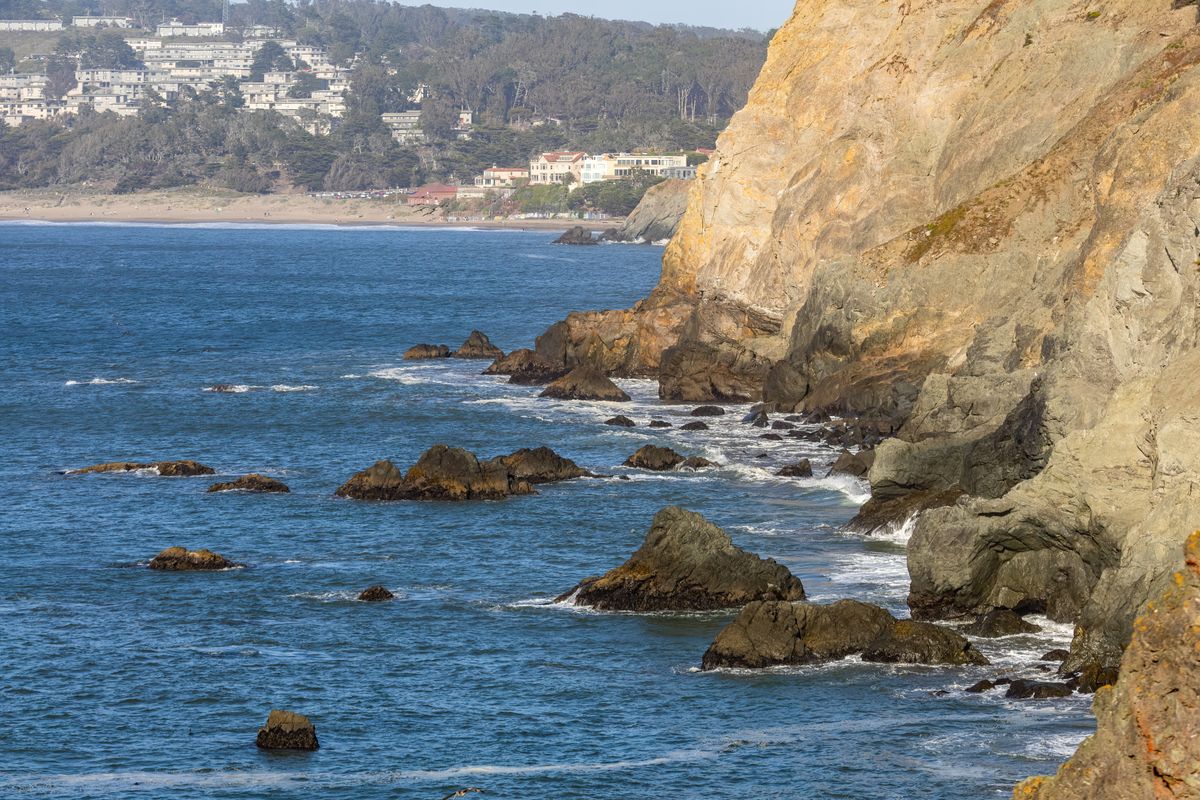
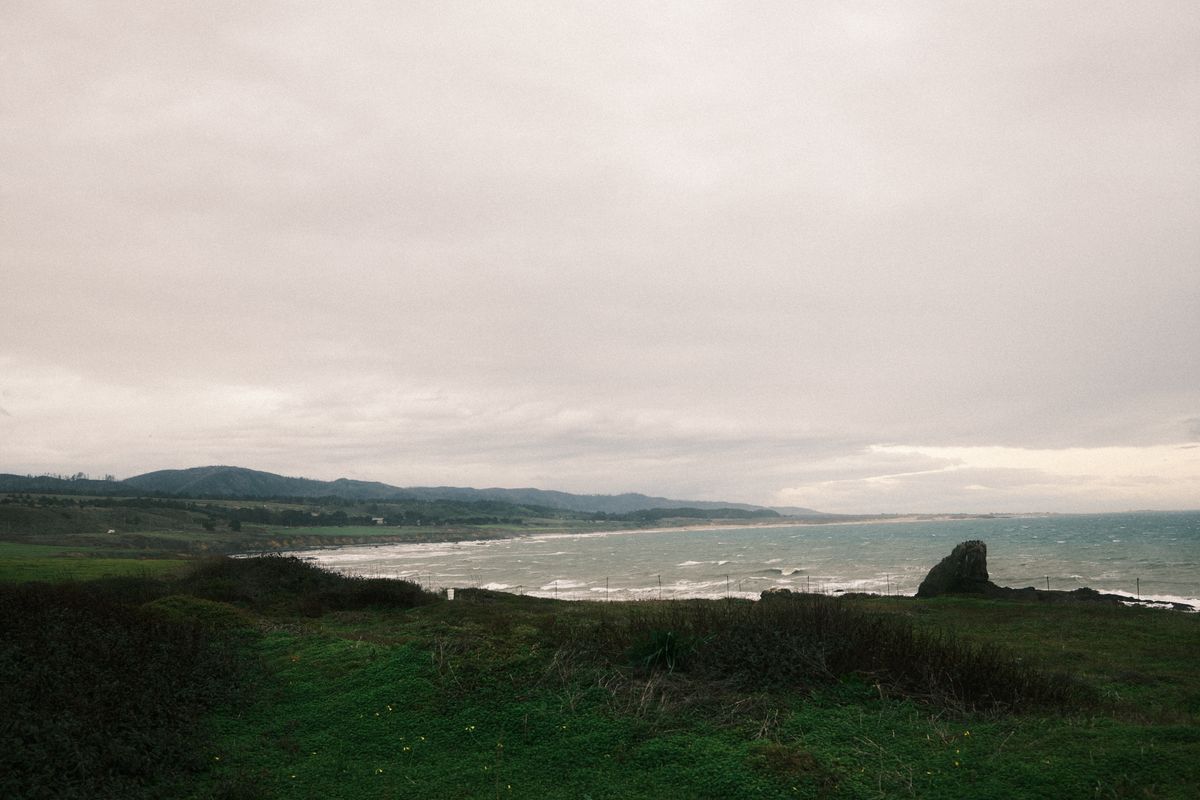
San Simeon — this is the coast these pages are about.
Quick answer: Tree Removal in San Simeon, CA — Removing a tree is planning before it is cutting: where the wood lands, what is under it, whether a rope or a crane takes the weight, and what is left when the crew drives away. A removal is finished when the drop zone is clear and the stump is dealt with, not when the trunk hits the ground.
- Typical timing: When the tree is a hazard, the schedule is immediate — storm damage, split leaders and leaners do not wait for good weather.
- What it involves: A written plan for the drop zone, rigging or crane work over structures, protecting driveways and roofs, and deciding the stump’s fate in advance.
- The standard: The ANSI Z133 safety standard for arboricultural operations, and ISA best practice for removals near structures.
- Where we work: Small town lots, coastal acreage and the narrow properties of the Cambria pine belt.
- Our own record: 503 pages and 291 stories published on this site. Counted from our own archive, not a stock table.
Field note. What we see here is that access decides the price more than height does: a pine over a fence on a slope with no driveway costs more to take down safely than a taller tree with a clear drop, and the plan is where that shows up.
On the other hand, removal is not the only safe answer — a tree with one failing limb, or a lean that can be corrected by reduction, is often better kept and managed than gone.
There is nowhere on this coast where the wind arrives with more conviction than the San Simeon stretch, and the trees here show it. A Monterey cypress on the ocean side of the highway is a sculpture made by salt: foliage sheared off the windward face, a trunk thickened on the lee, and a canopy that is often more holes than leaves. Removing one of those trees is not difficult because it is big.
It is difficult because it has spent sixty years being loaded in one direction, and the moment a saw changes that, the tree answers.
What the plan has to account for
Three things, in order. The load: how much of the crown is on the windward side and what it is leaning against, including the trees beside it that may have been holding each other up for decades.
A cypress that looks like a single tree is often the surviving half of a windrow, and its remaining neighbour is doing structural work. The ground: sand and bluff-edge soils here drain fast, root shallow and lose strength when saturated, so a wet-season removal over a bluff edge or a septic field is a different job from the same tree in August. The direction: on the ocean side there is usually one place for a piece to go, and it is not toward the highway, the water line or the building.
That leaves the rigging plan, and on a lot with no machine access it means hand work with everything lowered.
Access decides the method, and the price
San Simeon has a handful of access points and a lot of steep ground. Where a driveway or a turnout can take a crane, a big tree is a fast operation — a few picks, a spotter, and the whole crown off the property before lunch.
Where the tree sits behind a fence, across a creek terrace, or on a lot where the only approach is the highway shoulder, the same tree is dismantled in small pieces over a long day with ropes doing the work. Both are legitimate; they are not interchangeable, and a quote that does not name the access has not thought the job through.
Rules, and the neighbours who are the state
San Simeon is unincorporated county land inside the coastal zone, so removal questions run through county rules and, in places, coastal review, and there are trees on this stretch whose removal requires a plan and an approval rather than a decision on the day.
Nearby, the State Park and the historic estate have their own oversight of plantings, and a tree that stands on a boundary with park land should be looked at with that in mind rather than by whoever holds the saw. We walk the site, identify what applies, and tell you plainly whether this is a straightforward removal or a conversation with an agency — before a date is booked.
Leaving the ground better than the saw found it
Bluff and creek-side ground is the reason this matters here. Where a tree's roots are part of what is holding a bank, we plan the removal with the replacement in it: leaving the stump and the root mass in place where it is doing work, taking the crown that is the actual hazard, and planting the bank so it is protected before the first wet season.
The wood can be cut and left for firewood, the site raked and the drive put back, and the stump settled as its own decision — with the one option we never offer being to burn it out, because on this coast that is a fire risk in ground that has not seen rain since spring.
Field note — Noah Lockhart explains a job from the inside: what the rope is holding, what the hinge is doing, and the single piece that decides whether the rest is straightforward.
Questions, quotes, or just exploring — we’re here to help.