

Tree Trimming & Pruning in Harmony, CA
Tree Trimming & Pruning in Harmony, CA
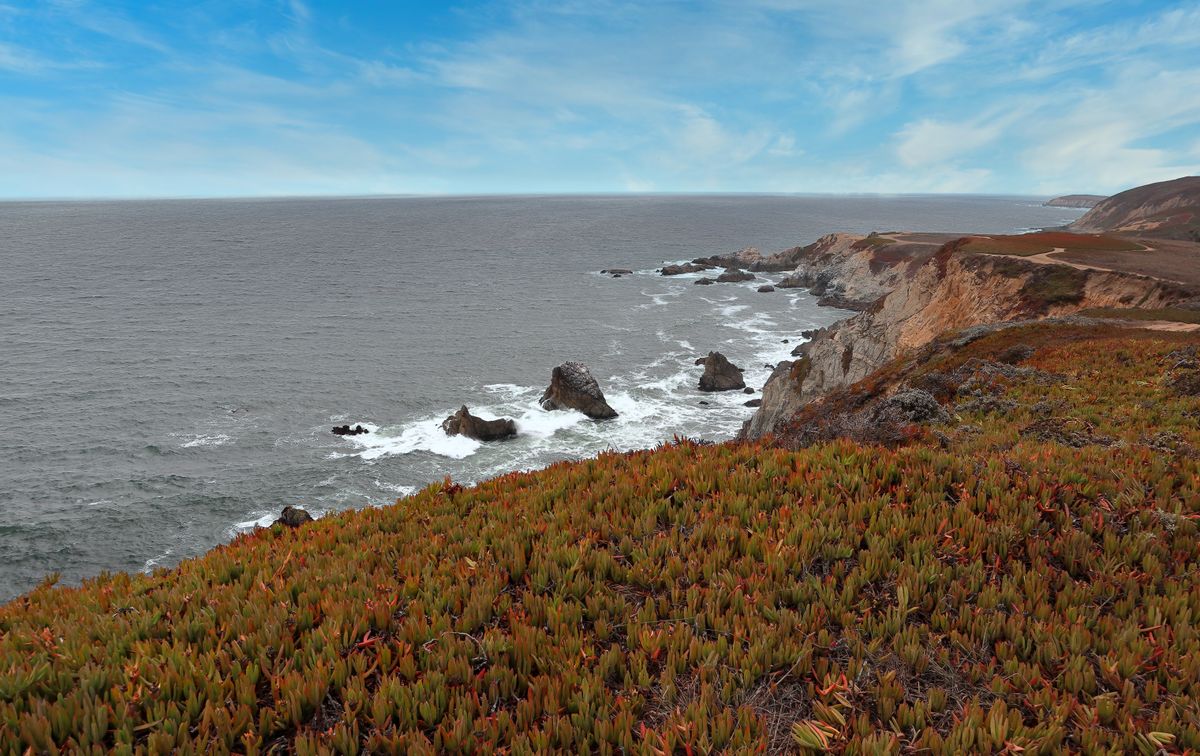
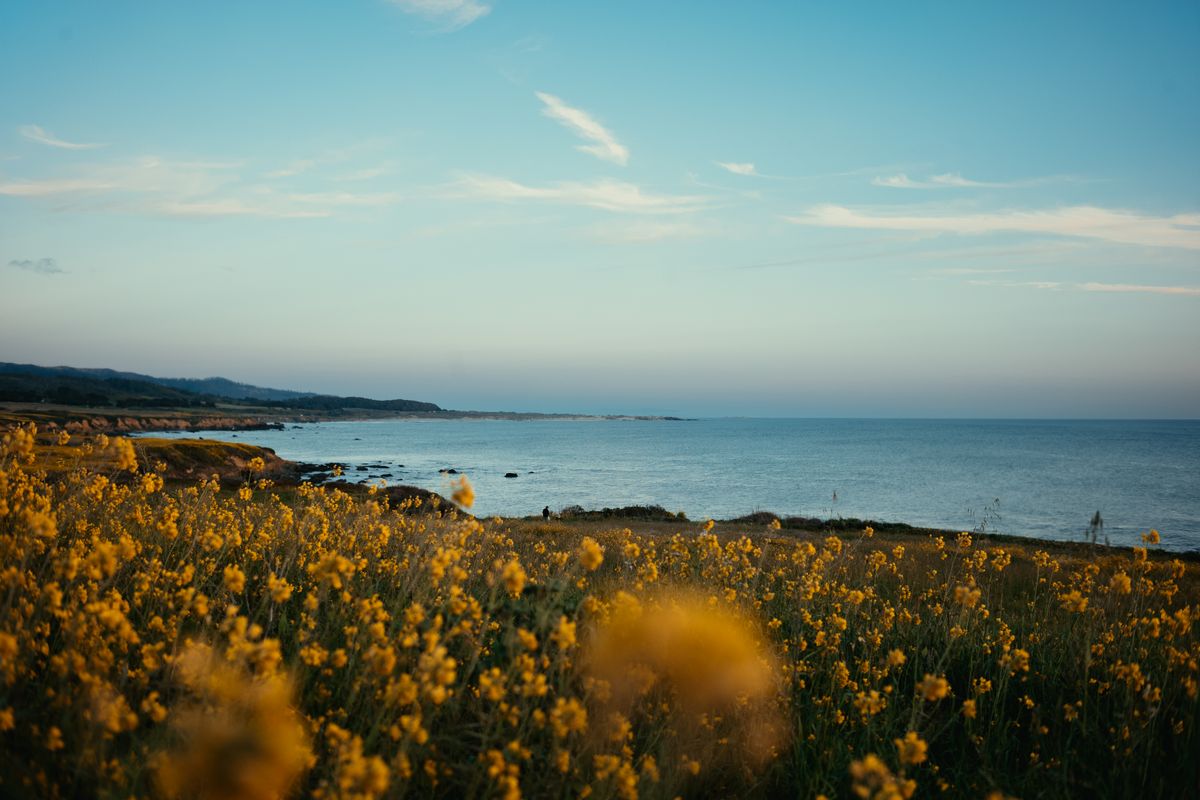
Harmony — this is the coast these pages are about.
Quick answer: Tree Trimming & Pruning in Harmony, CA — Pruning is a plan before it is a cut: deadwood and broken limbs first, then clearance from roofs, wires and paths, then the structure the tree will carry for the next decade. The right cut heals and the wrong one invites decay, which is why the order matters more than the number of cuts.
- Typical timing: Structural work in the dormant months, light clearance and deadwood any time the tree is not under stress.
- What it involves: Removing dead and crossing limbs, thinning to let light through, lifting low limbs for clearance, and never topping a tree.
- The standard: The ANSI A300 pruning standard as applied by ISA-certified arborists — including the three-cut method on every limb worth saving.
- Where we work: Cambria, San Simeon, Cayucos, Morro Bay, Los Osos and the towns between.
- Our own record: 503 pages and 291 stories published on this site. Counted from our own archive, not a stock table.
Field note. What we see on this coast is a pruning calendar that does not match the inland one: salt air, fog and wind mean a cut that would be minor in the valley can be the one that opens a crown to decay here, so we look at the species and the exposure before the season.
On the other hand, not every tree wants to be pruned: leaving a healthy canopy alone is a decision that pays, and a tree with plenty of space is often better served by doing nothing.
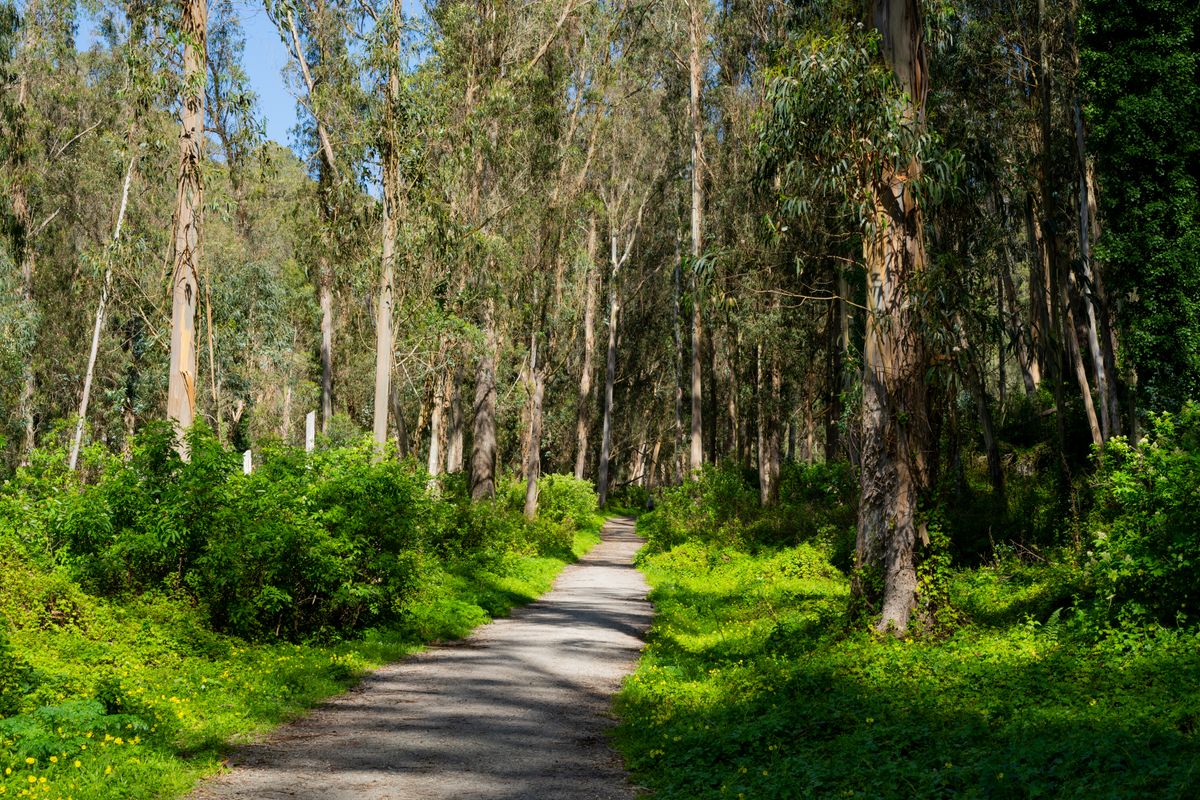
The trees on this stretch of coast have a specific problem that comes from being planted in rows: they grew up competing with their neighbours and relying on them. A eucalyptus windrow thinned out on one side does not simply lose a companion, it loses its wind shadow, and the remaining trees begin loading in ways they never had to.
That is why pruning old windrow trees here is a different job from pruning a garden tree, and why the first thing we do is look at the row as a structure rather than at the tree that is dropping branches on the lane.
End weight, not length
An old eucalyptus or cypress does not fail because it is tall, it fails because of what is hanging at the end of a long lever. The correct intervention is a reduction: taking the end weight off a lateral or a leader so the attachment it hangs from has less to carry, in a way the tree can respond to — cut back to a live lateral of reasonable size rather than sheared off at a random point.
This is the opposite of the trimming that gets done when a hedge is thinned, and it is a slow, deliberate business in a mature tree. It is also the only version of this work that does not end with a row of stubby, decayed trees standing over a lane.
The old cypress, and what to leave alone
The cypresses around the older buildings have their own character: dense, sprawling, often hollow at the base after a long life on this ground. On those trees the useful work is deadwood removal, clearance from the roof and the service drop, and the removal of limbs that have grown across the building rather than up.
What we do not do is open them up so the light gets through: a cypress that has been thinned into nothing is a windsail with a hollow base, which is a worse tree than the one that was there. Where the hollow is significant, the honest option is an assessment with a written recommendation, not a haircut.
Timing on the terrace
Two constraints set the calendar out here. The first is the wind: the afternoon northwesterly arrives like a timetable, and the technical cuts happen in the calm part of the day, with the crew off the tree before the gusts. The second is fire season.
Any cutting in dry grass — and there is a lot of dry grass on a terrace farm — carries a spark risk, so the bulk of the work happens between the end of the rains and the start of the dry season, or early in the morning during it, and we say which before scheduling.
Structural pruning on most of these trees is a dormant-season job; anything over a building or a lane is assessed on its own schedule rather than on the calendar.
What a farm lot usually needs
A walk along the whole windrow every two or three years, a reduction cycle that takes the end weight off the tallest and most exposed trees in sequence rather than all at once, and the deadwood taken out of whatever stands near the buildings. That programme — cheap, unglamorous and repeated — is what keeps these rows standing for another generation, and it costs a fraction of what a single emergency removal of a hundred-year-old tree does.
The alternative, which we see often, is ten years of doing nothing and then a storm that decides the question for you.
Field note — Margot Thackeray prunes for the tree's next twenty years: the smallest cut that keeps the structure sound, made at the moment the tree can answer it.
Questions, quotes, or just exploring — we’re here to help.