


Tree Removal in Harmony, CA
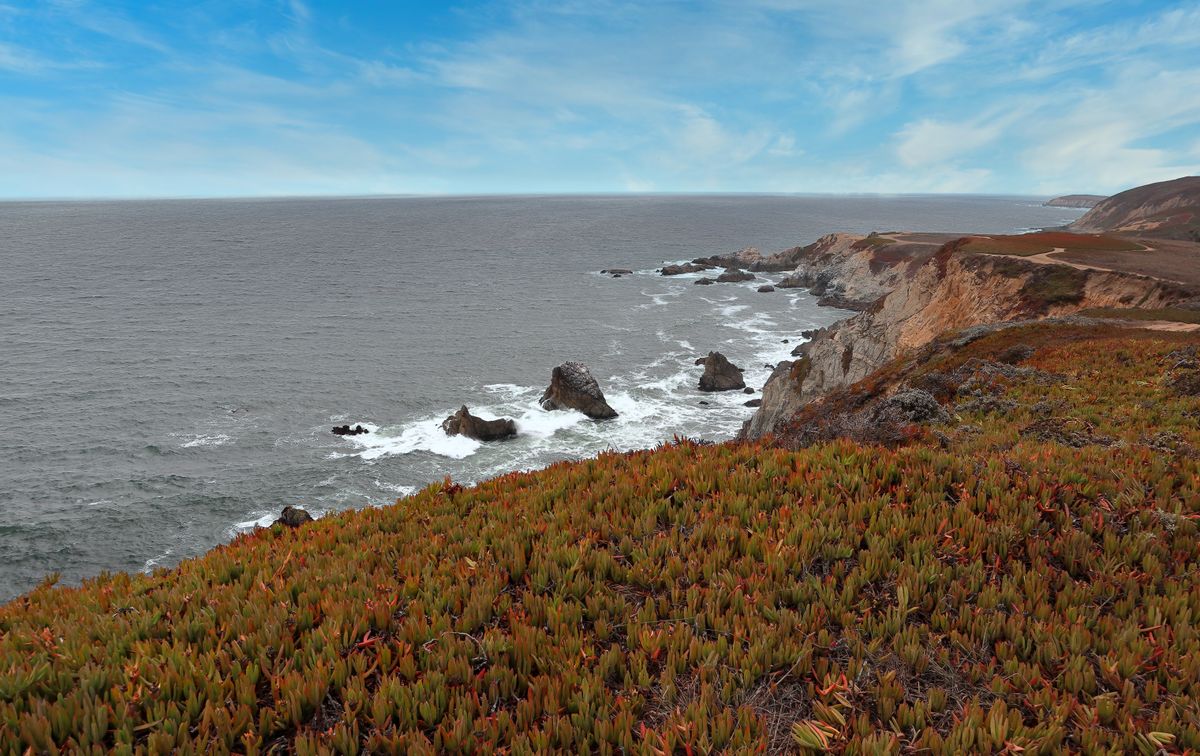
Harmony — this is the coast these pages are about.
Quick answer: Tree Removal in Harmony, CA — Removing a tree is planning before it is cutting: where the wood lands, what is under it, whether a rope or a crane takes the weight, and what is left when the crew drives away. A removal is finished when the drop zone is clear and the stump is dealt with, not when the trunk hits the ground.
- Typical timing: When the tree is a hazard, the schedule is immediate — storm damage, split leaders and leaners do not wait for good weather.
- What it involves: A written plan for the drop zone, rigging or crane work over structures, protecting driveways and roofs, and deciding the stump’s fate in advance.
- The standard: The ANSI Z133 safety standard for arboricultural operations, and ISA best practice for removals near structures.
- Where we work: Small town lots, coastal acreage and the narrow properties of the Cambria pine belt.
- Our own record: 503 pages and 291 stories published on this site. Counted from our own archive, not a stock table.
Field note. What we see here is that access decides the price more than height does: a pine over a fence on a slope with no driveway costs more to take down safely than a taller tree with a clear drop, and the plan is where that shows up.
On the other hand, removal is not the only safe answer — a tree with one failing limb, or a lean that can be corrected by reduction, is often better kept and managed than gone.
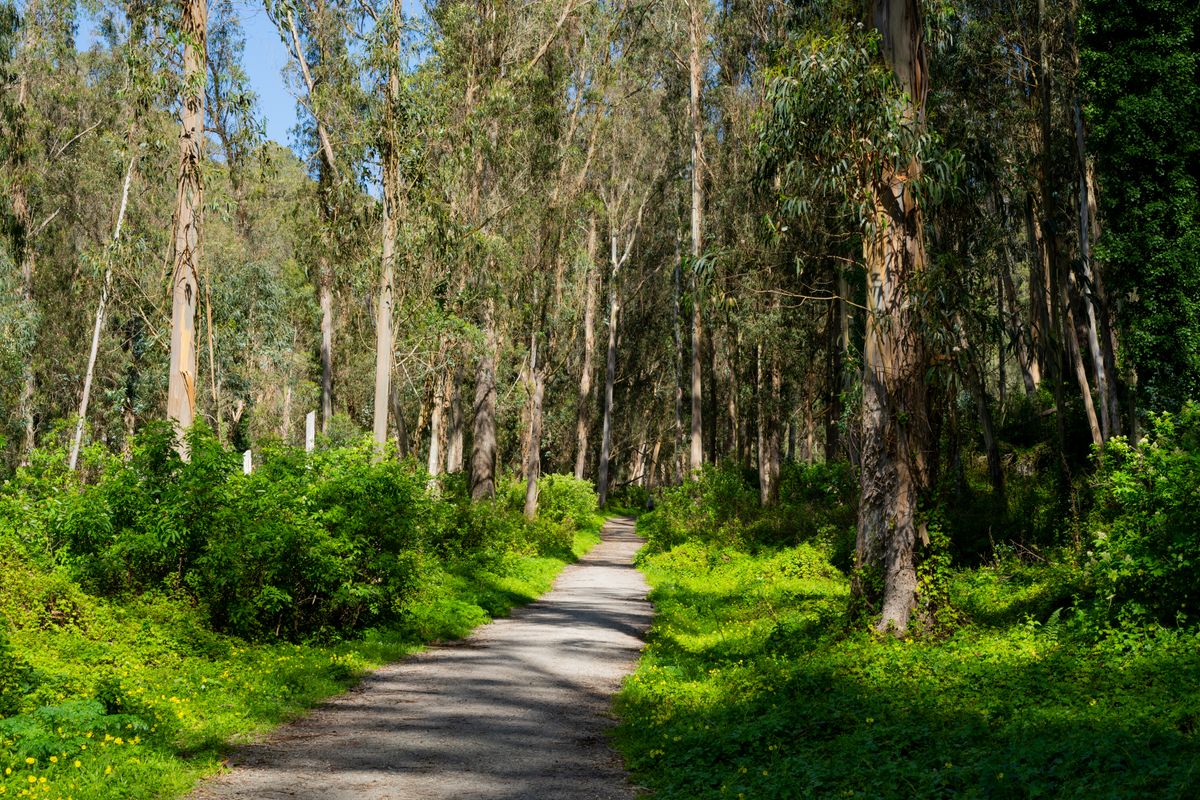
Harmony is eighteen people, a creamery building, a winery and a stretch of coastal terrace, and almost every tree on the property line was planted for a reason that has outlived the person who planted it. The eucalyptus rows were windbreaks for the dairy; the cypresses marked a lane and cast the kind of shade that matters when you are working in a field.
That history is why removals here are rarely "get this tree out of the way." The tree is usually holding something — a fence line, a wind shadow, a bank above the creek — and the honest first question is what changes when it goes.
Old windrows come down in sections
A eucalyptus planted in a row in 1920 has grown up in company with its neighbours: tall, thin, shading each other on one side, loaded the other way, and often with a hollow that nobody will see until the butt is on the ground. Removing one out of the middle of a windrow is the most technical job on this stretch of coast, because the trees around it have been leaning on it for a century.
So the work is sequenced — an assessment of the whole row rather than the one tree, then a section-by-section takedown with the wood controlled on ropes, because a eucalyptus that gets away from you does not fall, it explodes, into pieces that travel further than the tree is tall.
Where the machine can go, and where it cannot
On the terrace lots, access decides the price. A tree beside the barn or the winery with a gravel lane and room to set up is a crane job, and a crane makes a hundred-year-old tree a two-hour operation with a spotter at each corner. A tree on the far side of a creek, behind a fence, or across ground that is soft in January is a hand-rigged job with mats, a long pull and a much slower day.
We price the access before the tree, and we say which it is rather than discovering it on the morning.
Highway 1, the State Park edge, and the neighbours who are 18 people
Two boundaries shape the paperwork. The highway frontage is Caltrans' — any work that needs a lane or a shoulder closure needs their permission and their timing, and that is a planning lead time, not a phone call on the day. And the land on the headlands side is state park and public access, so a tree on that boundary is planned with an eye to what the park expects rather than only what the property wants.
As for the neighbours: in a town this size, asking is free and taking a position is expensive. A tree that shades two parcels is a conversation at the start, and the windbreak on a farm lot usually shades several.
After the tree is down
Fence lines get re-strung or left down at your instruction, gates are kept working, and the ground is put back so a truck can cross it.
The wood is worth keeping here — eucalyptus is a decent firewood once it is split and seasoned, and farm lots usually have somewhere to stack it — and the stump is its own decision: grind it below grade where a lane or a fence post is going in, leave it where the root mass is holding a bank or a creek edge.
If the tree was doing erosion work, tell us; the replacement is part of the same visit rather than an afterthought.
If you have an old windrow that has started dropping limbs, the useful first step is not a quote but a walk along the whole row. One tree in it may be the actual problem, and one tree is a much smaller job than the row.
Field note — Noah Lockhart works from the load outward: which piece is holding what, where the hinge wants to go, and the one cut that decides whether the rest is routine.
Questions, quotes, or just exploring — we’re here to help.