

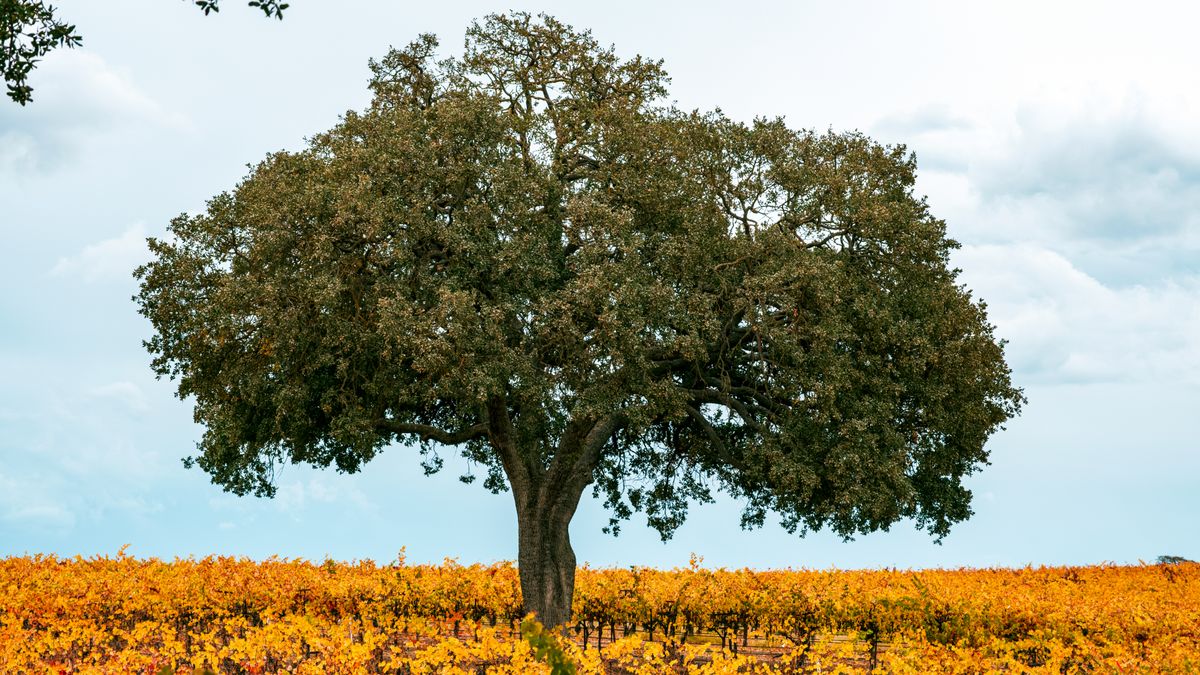
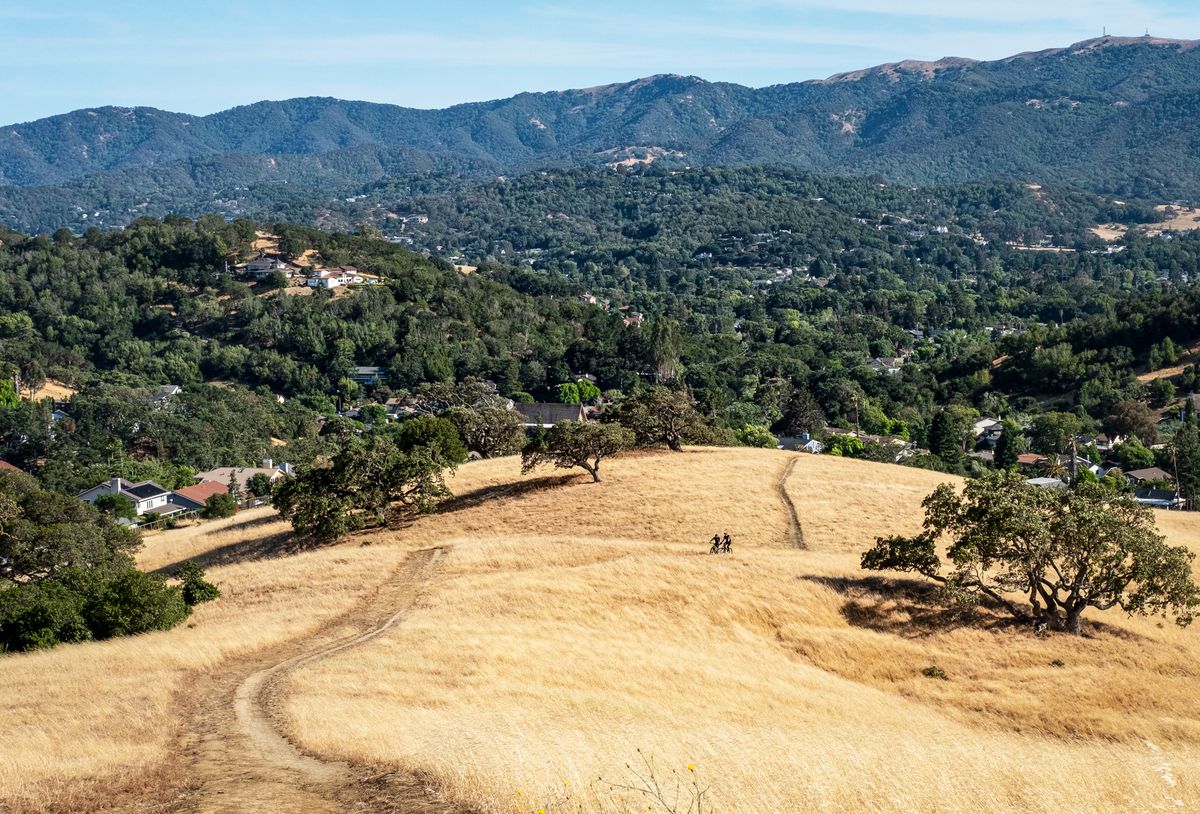

Mulching in San Luis Obispo, CA
San Luis Obispo — this is the coast these pages are about.
Quick answer: Mulching in San Luis Obispo, CA — Mulch is the cheapest thing that happens to a tree: a flat layer over the root zone holds moisture through the dry season, keeps the soil temperature steady and feeds the soil life the tree depends on. Almost every mulch problem is a depth problem or a contact problem — too thick, or piled against the trunk where the bark has to stay dry.
- Typical depth: Two to four inches, flat, from the drip line inward — never a cone against the trunk.
- Typical timing: After planting or after a clean-up; refreshed in autumn so winter rain carries it down.
- What it involves: Keeping the root flare visible, keeping mulch off the bark, and choosing material that breaks down rather than mats.
- The standard: ISA and university extension guidance on arboricultural mulching and the root flare.
- Our own record: 503 pages and 291 stories published on this site. Counted from our own archive, not a stock table.
Field note. What we see most on this coast is not too little mulch but too much, in the wrong place: the volcano against the trunk that keeps the bark wet through the fog season and invites rot where the tree cannot show it until the canopy thins.
On the other hand, a thin ring of the wrong material is worse than none at all — matted, water-repellent mulch sheds the rain it was meant to store.
If you do one thing for a tree in San Luis Obispo, mulch it. The clay under the city is not short of nutrients but it is short of everything a root needs to use them: air, steady moisture, and a temperature range that does not swing from baked to cold in a day. A mulch layer supplies the first two at the surface, which is exactly where a tree's fine absorbing roots live.
In a hot inland summer, a properly mulched tree can be several degrees cooler at the root zone than the same tree in bare ground — and on this clay, mulch is also the cheapest way to stop the surface from cracking open and drying the soil beneath it.
Width first, then depth
The absorbing roots are mostly outside the trunk, under and beyond the canopy, so the useful ring is wide: out to the dripline where the site allows, and at least a couple of metres around anything young. Depth is where people go wrong.
Five to ten centimetres is right; more than that and the fine roots that need oxygen end up above the wet layer and dry out, and the trunk is being kept wet. Wider and shallower beats deeper every time.
No volcanoes
Mulch packed against the trunk holds moisture on bark that evolved to stay dry, and on a tree in a fescue lawn it is how a healthy tree gets a rot that nobody notices until the tree fails at the base. It also hides the root flare, which is the part of the tree that tells you whether the ground beneath is moving.
The right shape is a donut: a hand's width of clear space at the trunk, then a ring that thickens slightly outward and feathers to nothing.
Tree wells, turf and the watering question
Most of the gardens here have turf around the trunks, and turf is the most competitive ground cover you can give a tree — it wants the same shallow layer of water and it wins. A well-kept tree well is not a decorative detail, it is the difference between a tree that can find water in August and one that cannot.
Where a tree is young or drought-stressed, that ring plus a genuine deep watering every few weeks through the dry season is the intervention with the highest return; the same water delivered daily by a lawn sprinkler on the trunk is mostly wasted. Which material to use Arborist chips — bark, twigs and leaves, mixed as it comes off the chipper — are the best and the cheapest mulch available in this county, because they are the by-product of pruning work happing on your own street and they break down into the fungal food web a tree actually uses. Compost is a fine amendment but a poor surface mulch; dug in, it improves the soil, spread thin as cover it does not. And two things to avoid: chips from a tree removed for a root or vascular disease that persists in wood, and a tidy bed built over the flare because it looks neater in a photograph.
Mulch is not a cure for an injury. It will not replace roots cut by a foundation, fix a grade change that buried the flare, or rescue a tree that has been deprived of water for four years. Those want a look at the whole site — and if the ground is the problem, the fix is usually drainage and soil work rather than another bag of chips.
Field note — Sofia Underwood designs in decades: the ring you build this spring is the soil a fifty-year-old tree will be standing in, and the shape of it matters more than the colour.
Questions, quotes, or just exploring — we’re here to help.