


Commercial & HOA Tree Care in Los Osos, CA
HOA & Commercial Tree Care in Los Osos, CA
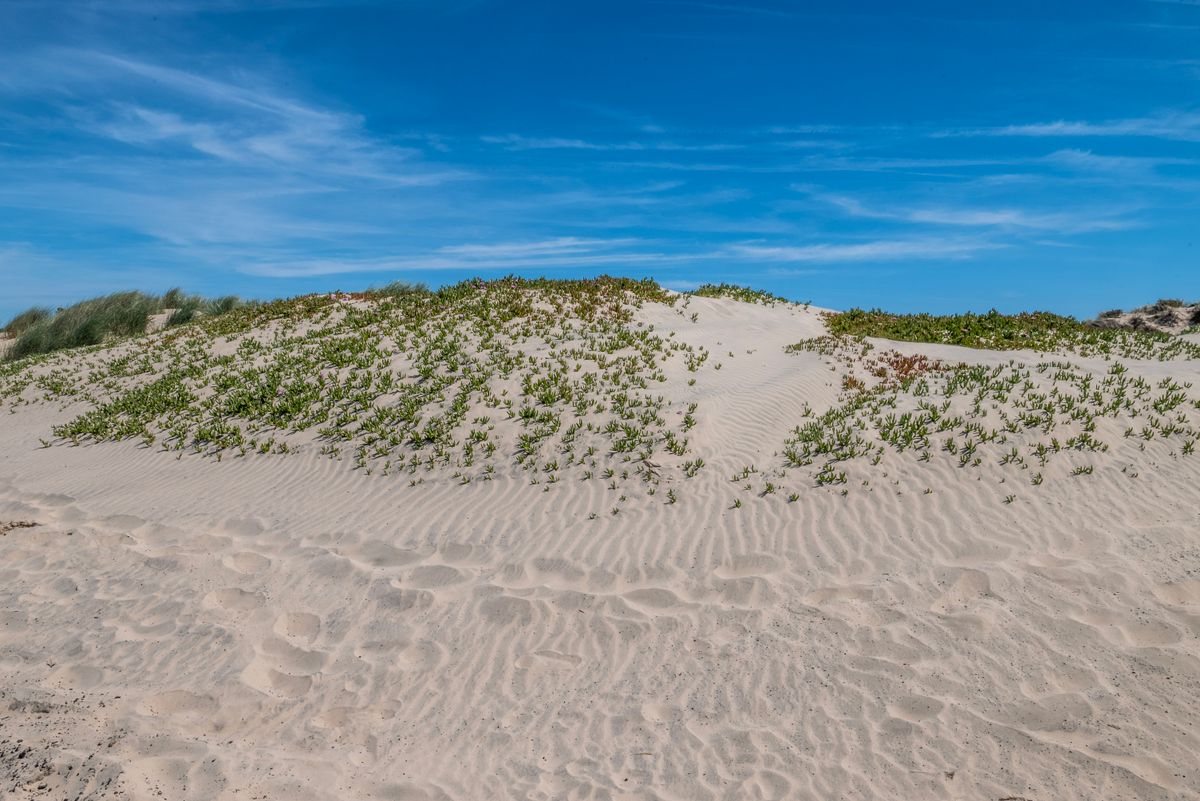
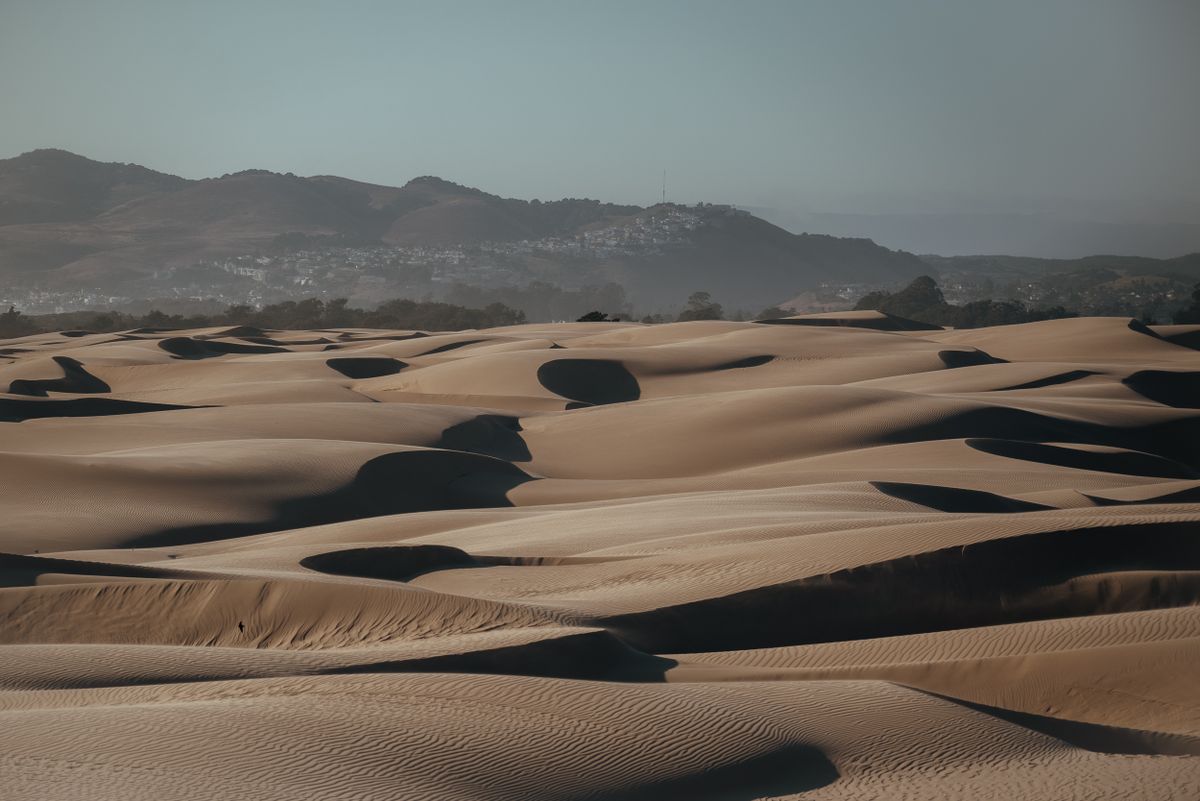
Los Osos — this is the coast these pages are about.
Quick answer: HOA & Commercial Tree Care in Los Osos, CA — Trees on this coast live with fog, salt, wind and thin soil, and the work that keeps them healthy is decided by those conditions rather than by a calendar written inland. Structure, clearance and the root zone are what a tree here needs looked at, and small work done early is what keeps a tree out of the emergency list.
- What it involves: Structural pruning, clearance from structures and wires, deadwood removal, root-zone care and hazard assessment.
- Typical timing: Structural work in the dormant months; deadwood, clearance and hazard work whenever the tree needs it.
- The standard: The ISA standards for pruning and tree risk assessment, applied by ISA-certified arborists.
- Where we work: Cambria, San Simeon, Harmony, Cayucos, Morro Bay, Los Osos and the Cambria pine belt.
- Our own record: 503 pages and 291 stories published on this site. Counted from our own archive, not a stock table.
Field note. What we see on this coast is that the trees people worry about are usually not the ones in trouble: the pine with a clean crown and a lean that predates the house is often sounder than the tidy tree that has been quietly drowning in its own root zone.
On the other hand, there is no schedule that suits every tree — the same species on two sides of one street can need opposite care, which is why we look before we recommend.
Los Osos has an unusual amount of commercial tree work hidden inside residential-looking parcels: a small apartment block in Baywood with six pines in the parking area, an HOA strung along a dune ridge, a vacation rental with a cypress hedge on three sides, a shop on the valley road with an oak over its sign.
None of them have an arborist on staff, and all of them carry a liability the owner usually discovers at the worst possible moment. A written cycle is how that stops being a surprise.
What has to be written down
Four groups, in this order: the parking and access areas, where a limb onto a car is a claim and a dead tree over the only driveway is a closure; the structures, meaning clearance over roofs, gutters, service drops and any window a tenant sleeps behind; the common areas, the walkways and play areas where the standard is a person on foot in poor light rather than a car; and the stand — the ridge or hedge line that gives the property its character and is also the oldest, tallest and most wind-exposed material on it.
Naming those four turns an argument about whether the trees "need work" into a list with dates. It is also the only version of this conversation that survives a change of manager, which happens more often on these parcels than anyone expects.
The annual shape of the work
Late winter, after the storms: the full walk and the corrective pruning, when the ground is still soft and the access is easiest. Late spring: clearance lines and palm work, before the dry season turns every cutting job into a fire question, and the biennial crown clean on the taller pines.
Early autumn: the defensible-space pass around the buildings — brush and ladder fuels reduced, lower limbs lifted, cut material hauled off the parcel rather than stacked against a fence, which is the detail a clearance letter is actually about.
The cost argument is simple and worth repeating to any board: the difference between planned work and emergency work is roughly double on the invoice, and larger than that once the secondary costs are counted. A scheduled removal can be hand-rigged through a side yard between two fences. An urgent one wants a crane, a road closure and a permit, and it happens on whatever day the tree chooses.
The file that answers the awkward questions
Every commercial engagement leaves a property file: inventory with species and condition, work record with dates, before-and-after photographs, the arborist's name and credentials, and a certificate of insurance with the additional-insured endorsement the management agreement almost certainly asks for. That file is what a board is shown, what an insurer receives after a limb lands on a car, and what makes the next quote a conversation instead of an inspection.
On dune ground there is one more thing worth knowing before a plan is written: what is under the sand. Old septic fields, irrigation laterals, sewer lines cut through the 2000s — a root plate that has been undermined behaves differently, and the only way to know is to look at the property's own history rather than at the tree alone.
Field note — Adrian Delacroix reads the maintenance agreement before the site plan: what the board is obliged to do, who is named on the policy, and which record a manager is expected to produce a year later.
Questions, quotes, or just exploring — we’re here to help.